
Water at a ceiling is evidence of a problem, not a map of its source. We trace the likely path from the interior mark to drains, seams, penetrations, edges, and previous repairs. The first objective is to identify immediate exposure and a safe repair boundary; a broader replacement decision waits until the assembly and moisture condition are clear.
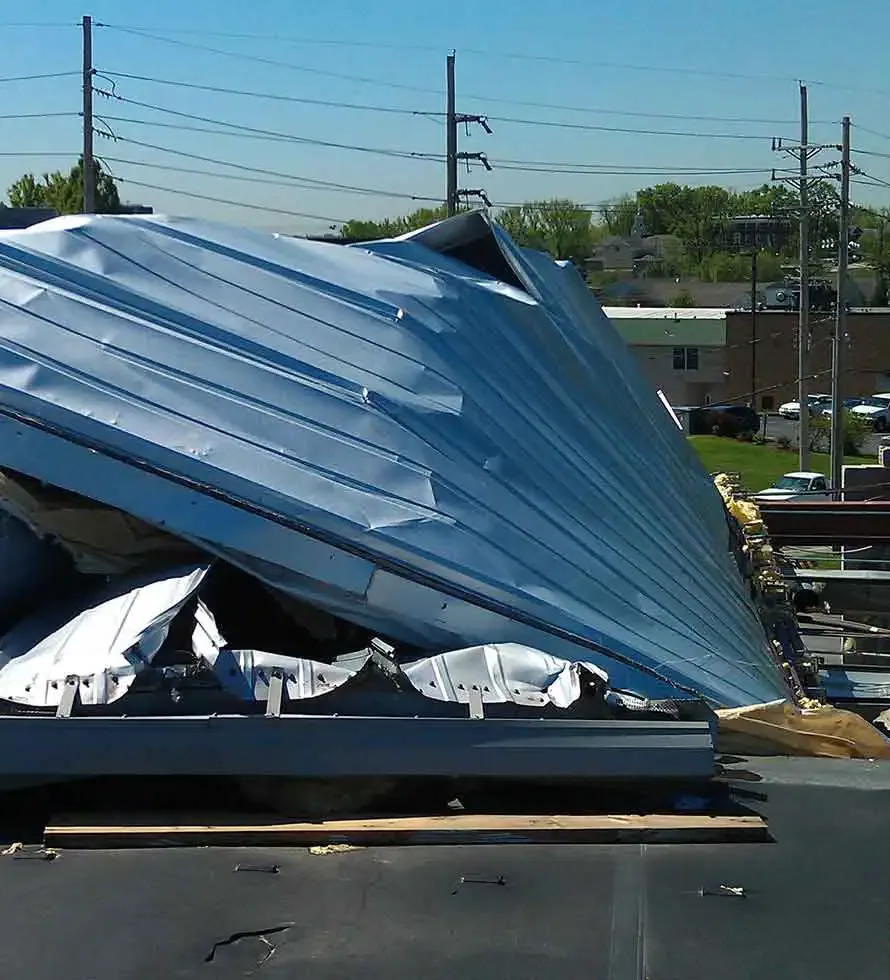
Wind Damage Roof Repair
Wind damage repair in Hesperia starts with an edge, seam, and penetration review. We document the affected area and set a practical repair scope.
Read More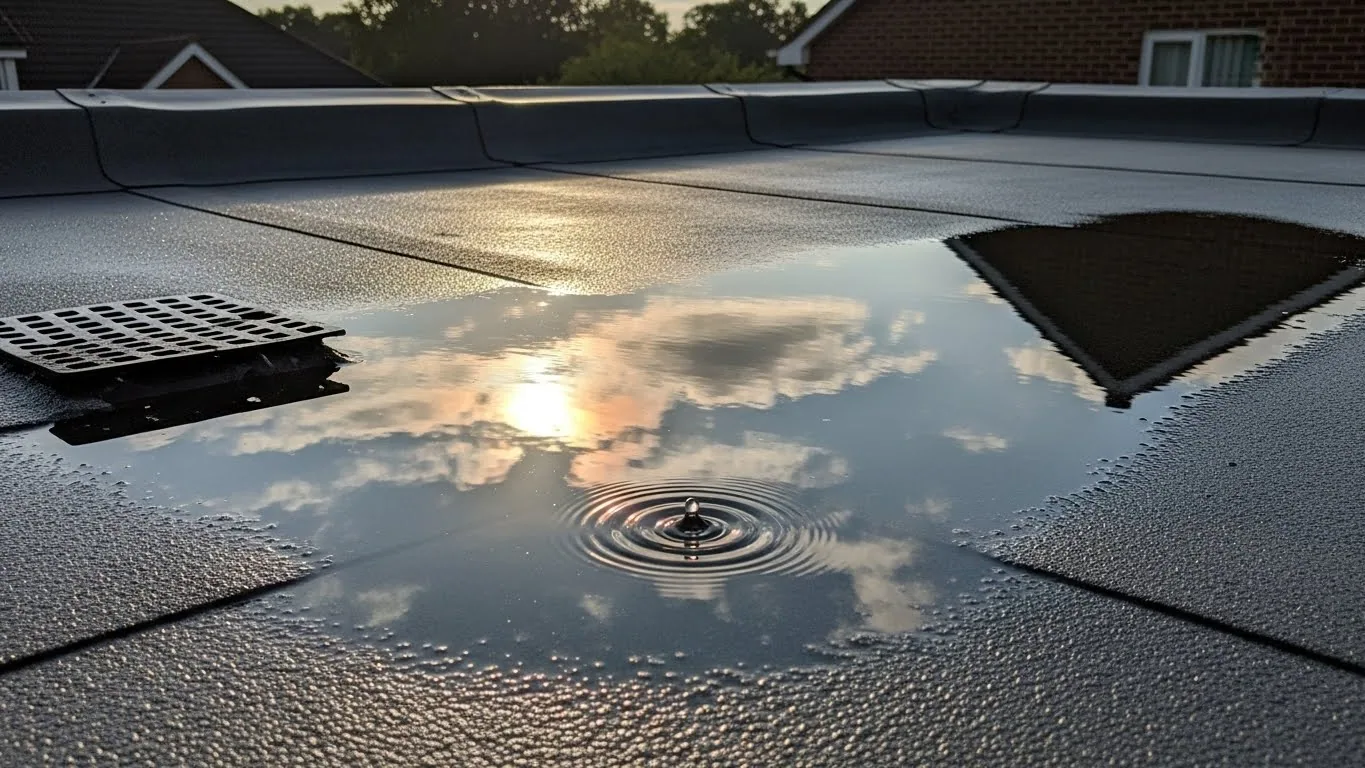
Ponding Water Roof Repair
Ponding water repair in Hesperia begins with drain paths, roof slope, and membrane condition. Get a documented scope for the affected roof section.
Read More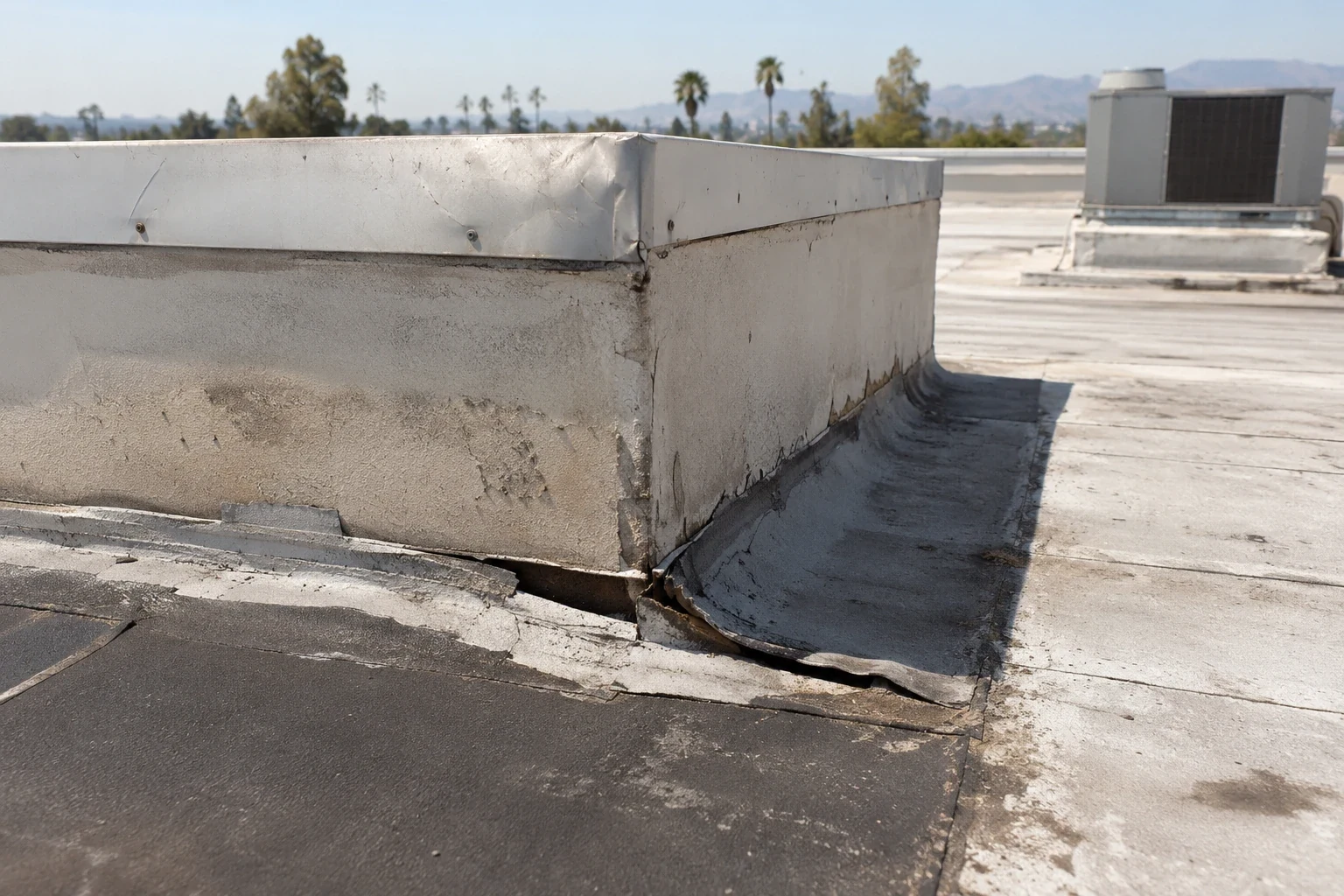
Flashing Failure Roof Repair
Flashing repair in Hesperia focuses on curbs, walls, drains, and material transitions. We trace the opening and document a repair boundary.
Read More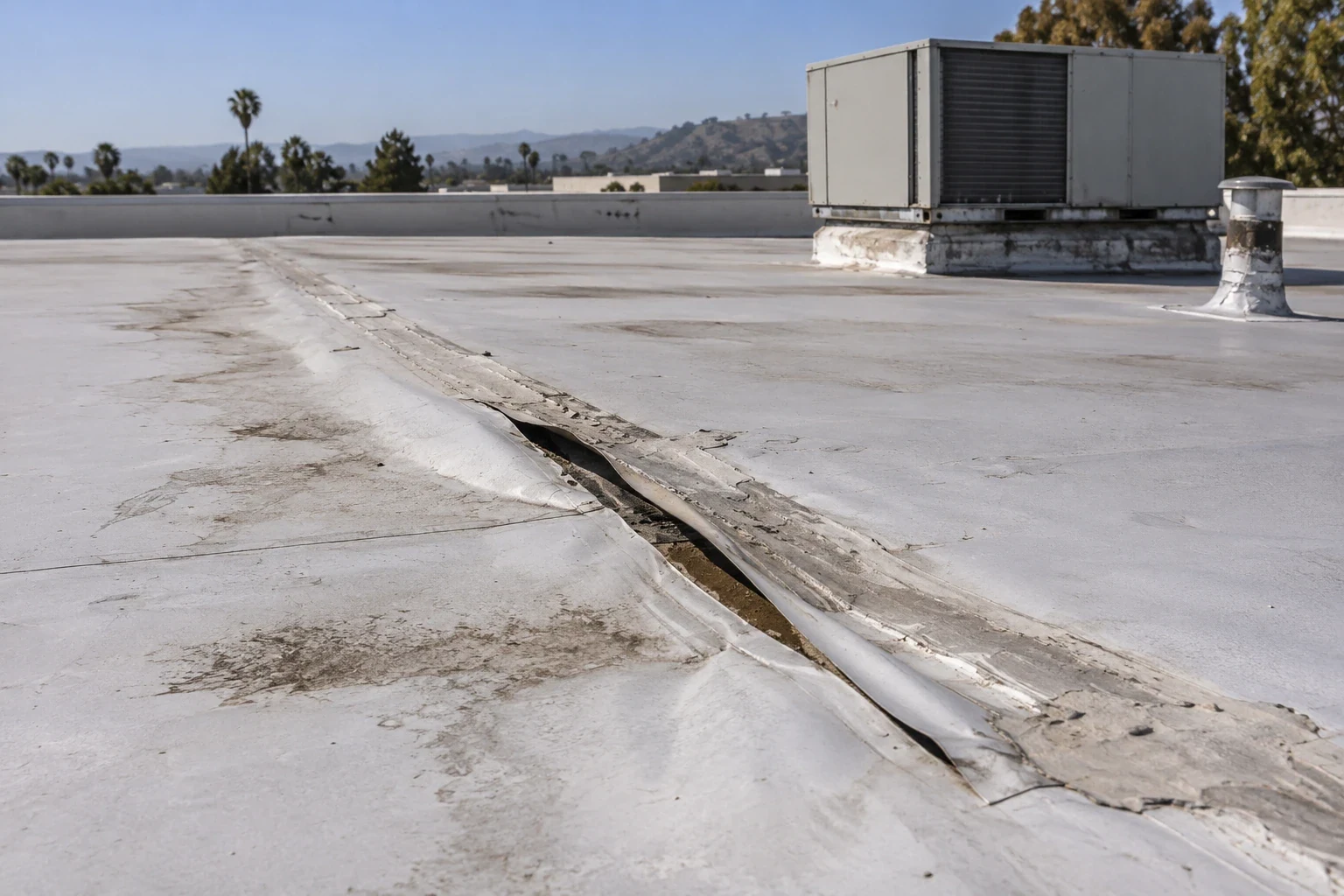
Roof Seam Failure Repair
Seam repair in Hesperia checks bond strength, moisture, and nearby transitions before patching. Get a clear scope for the affected roof section.
Read More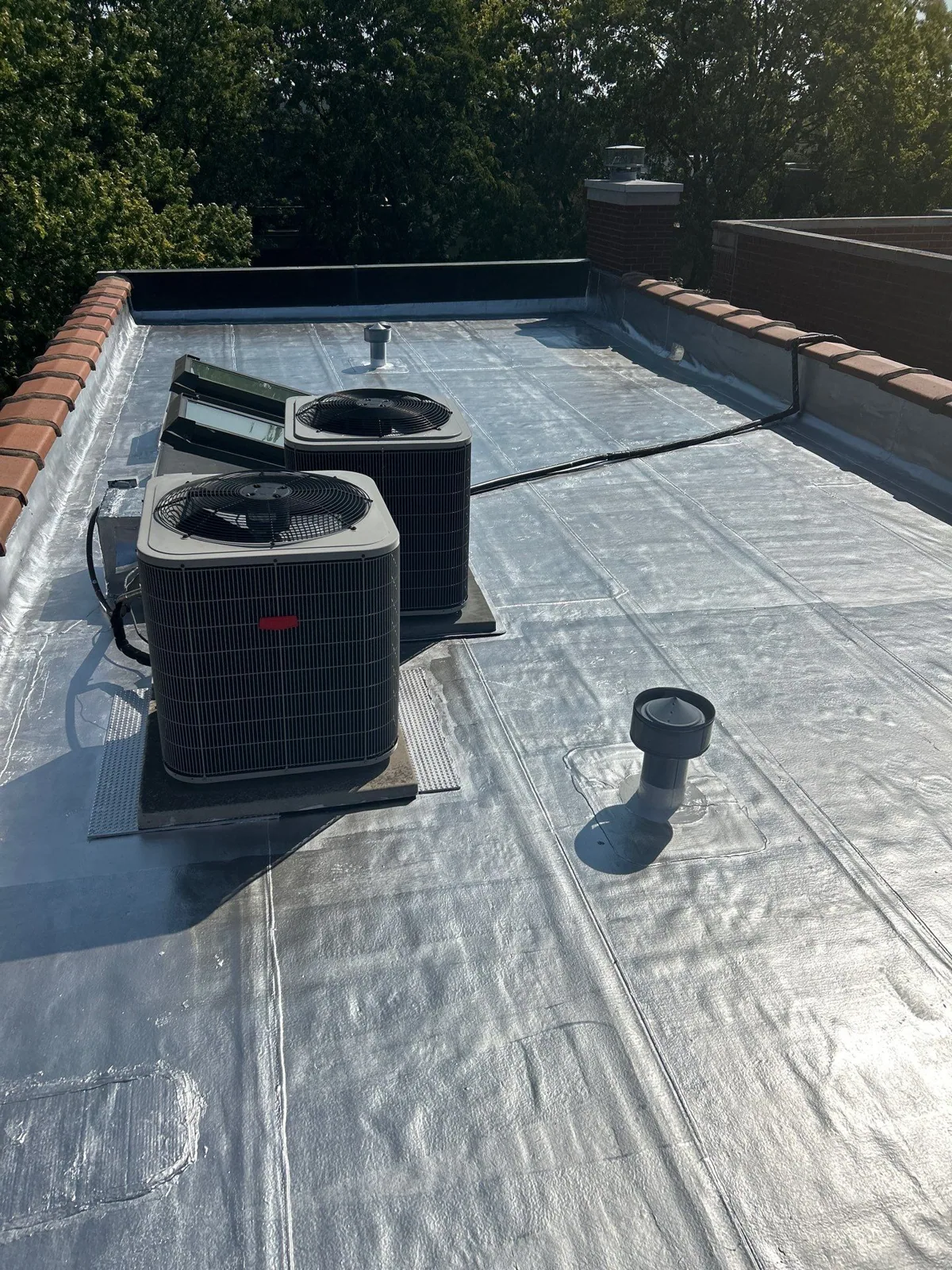
Membrane Puncture Roof Repair
Membrane puncture repair in Hesperia verifies the roof material, substrate, and moisture boundary before patching. Request a documented repair scope.
Read More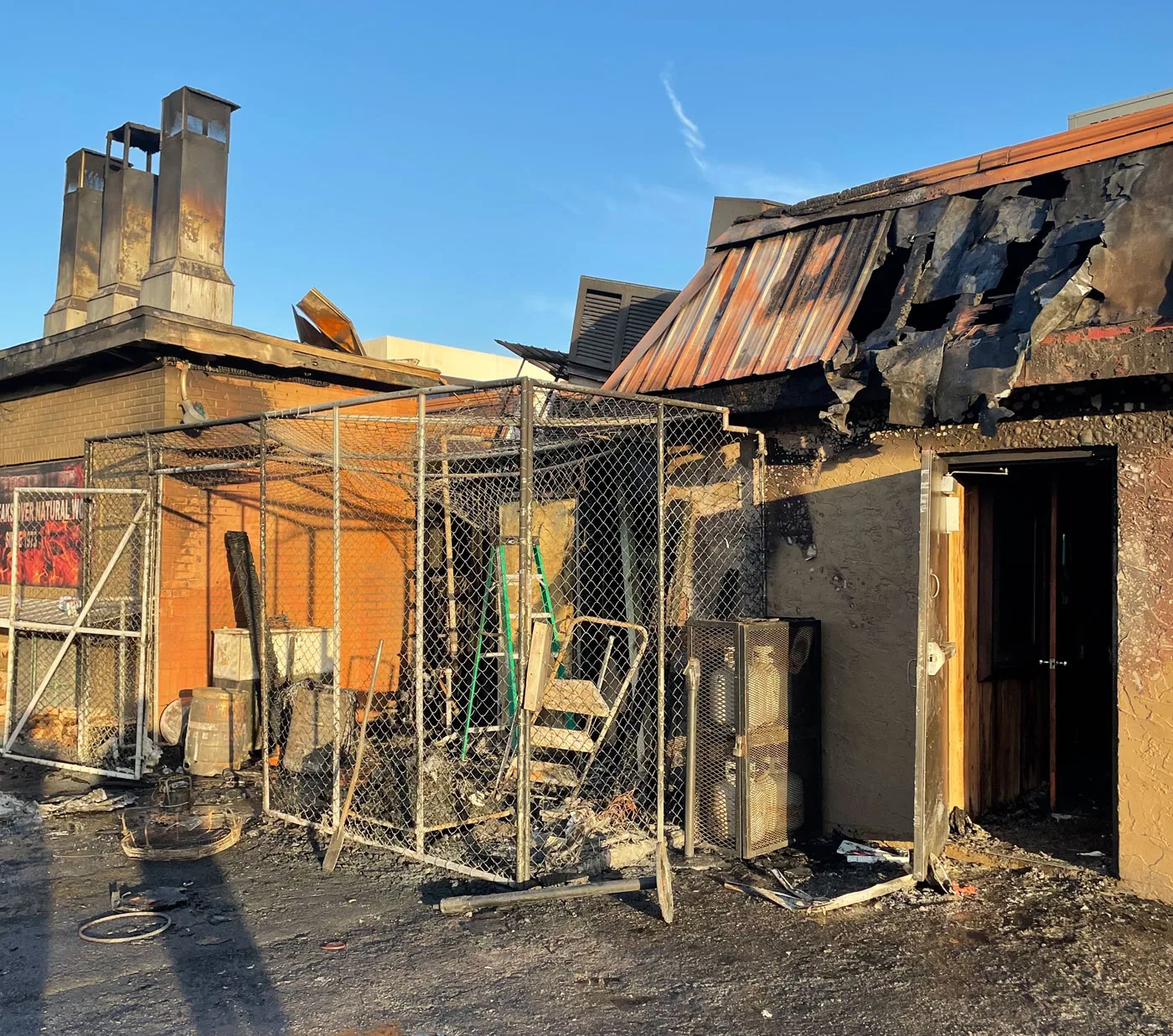
Fire Damage Roof Repair
Fire damage roof repair in Hesperia documents membrane, insulation, and structural conditions before close-in. Get a controlled repair and recovery scope.
Read More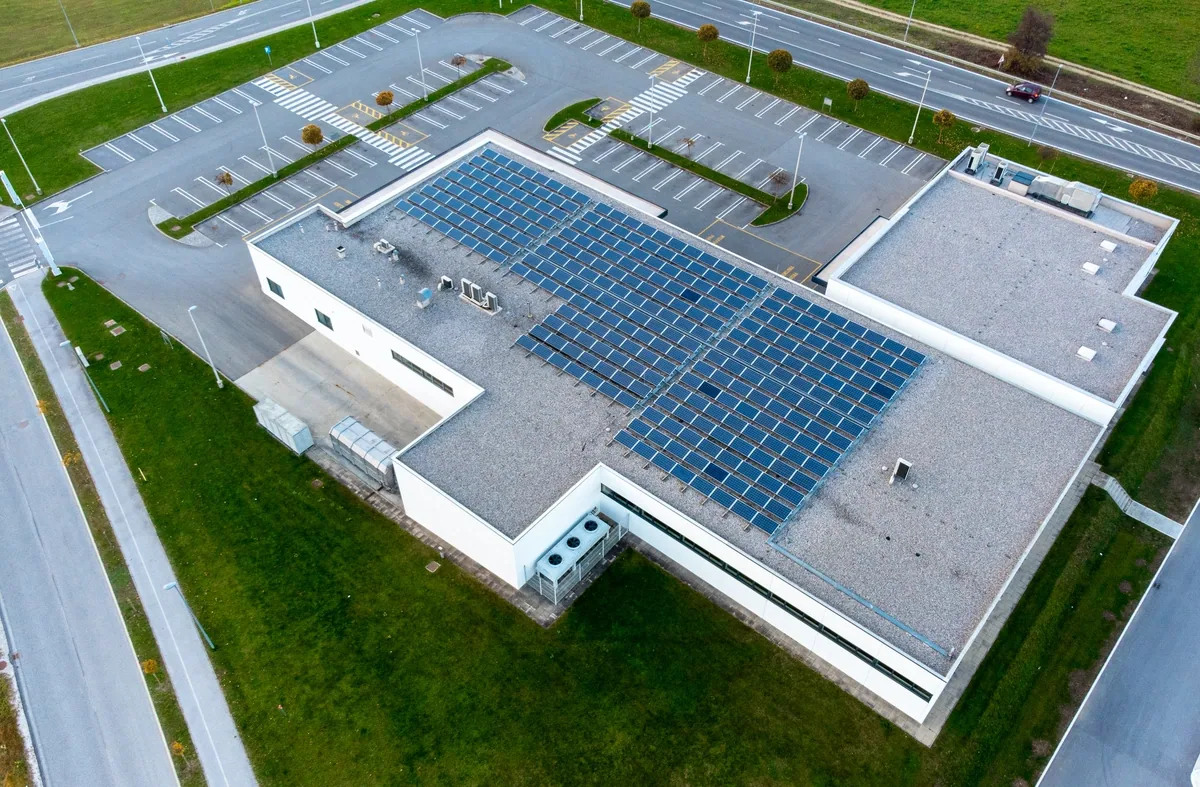
Heat and UV Roof Damage Repair
Heat and UV roof repair in Hesperia checks membrane aging, seams, and flashing before coating or patching. Request a measured condition review.
Read MoreContain exposure safely
Hesperia's December precipitation normal is 1.23 inches at the 2 E station, and the long-term August daily maximum normal is 97.0°F. Those city-level conditions make drainage, exposed transitions, and material timing useful inspection questions, but they do not diagnose a roof. For a reported leak or impact, we first locate the interior effect, check safe access, and compare likely entry points with the assembly. A technician records what can be seen and marks any test needed before an owner approves removal. The repair boundary follows confirmed damage rather than the stain or impact mark alone.
Trace the path before repair
A patch can stop a visible opening yet leave water moving beneath the membrane. We inspect the surrounding tie-in, confirm drainage and penetration details, and document the repair area before close-in. When wet insulation or a failed deck changes the scope, we show the finding and define the next repair boundary before close-in.
Document the repair boundary
After repair, compare the closeout photos with the marked roof plan and interior report. Note whether the work addresses a seam, curb, drain, puncture, or edge condition, and identify any adjacent concern left outside the repair boundary. The next inspection can then test whether the original water path was interrupted or whether further investigation is required.
Separate urgent control from permanent correction
After a storm, do not climb onto a wet or damaged roof to photograph it. Record safe observations from below, protect movable contents if possible, and limit access where ceiling material or electrical equipment is affected. Once conditions allow a roof review, document displaced material, punctures, open seams, debris, and drainage restrictions. A temporary measure should have a stated boundary and follow-up check. The owner can then distinguish immediate water control from a permanent repair that may require drying, material replacement, or a test opening.
Damage-specific repair routes
Start with the damage pattern and safe observations. The specific repair depends on locating the entry point, checking adjacent details, and documenting remaining uncertainty.
- Wind Damage Roof Repair
- Ponding Water Roof Repair
- Flashing Failure Repair
- Seam Failure Repair
- Membrane Puncture Repair
- Heat Uv Roof Damage Repair
- Fire Damage Roof Repair
Commercial Roofing Questions
Should I wait for rain before reporting a leak?
No. Record the interior location, recent weather, and timing, then arrange a safe inspection.
Can a leak appear far from its source?
Yes. Water may move along roof layers or structural elements before appearing inside.
What belongs in a repair record?
Document the observed condition, affected area, photographs, work completed, and unresolved follow-up items.
Does one patch establish remaining roof life?
No. A broader review is needed to evaluate other roof sections and prior repairs.
Should staff access a roof after severe weather?
Only through the site safety process. Do not enter a wet or visibly damaged roof to collect evidence.