Commercial Roofing for Logistics Companies in Hesperia, CA
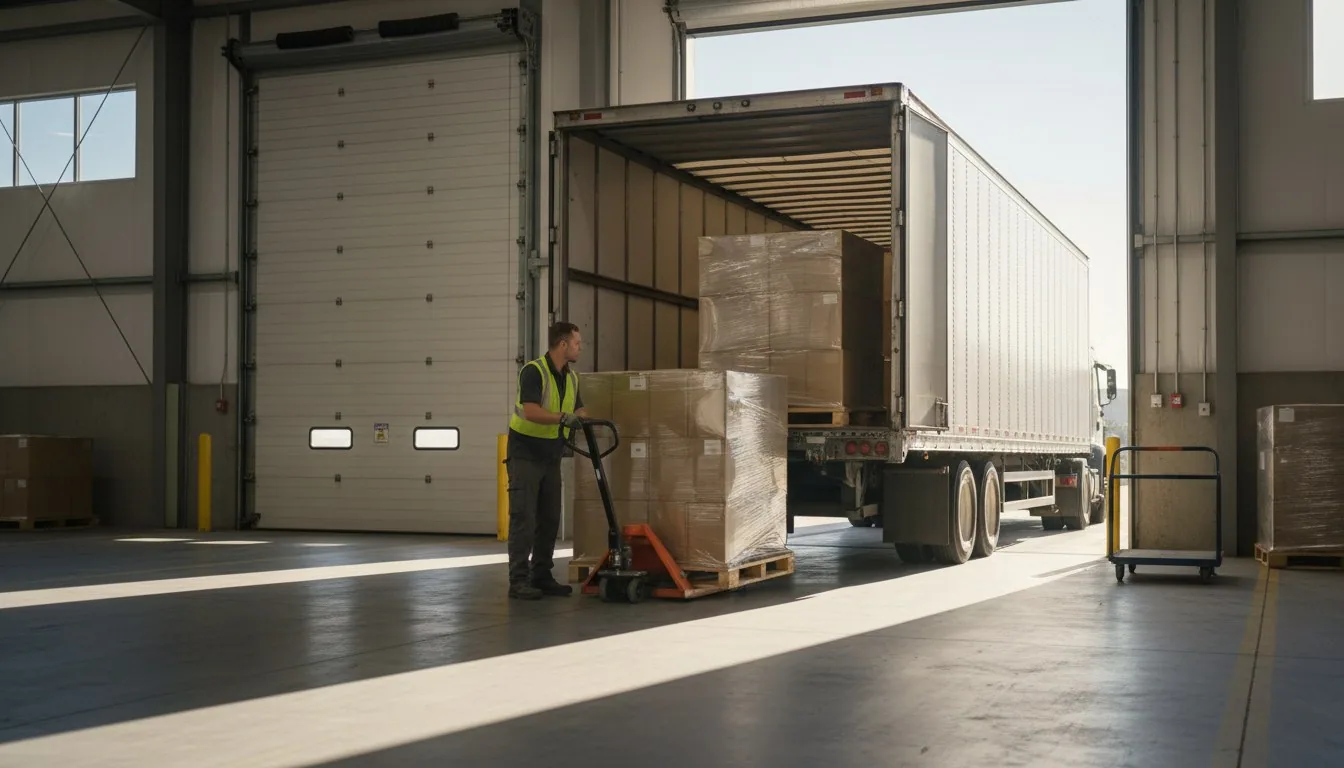
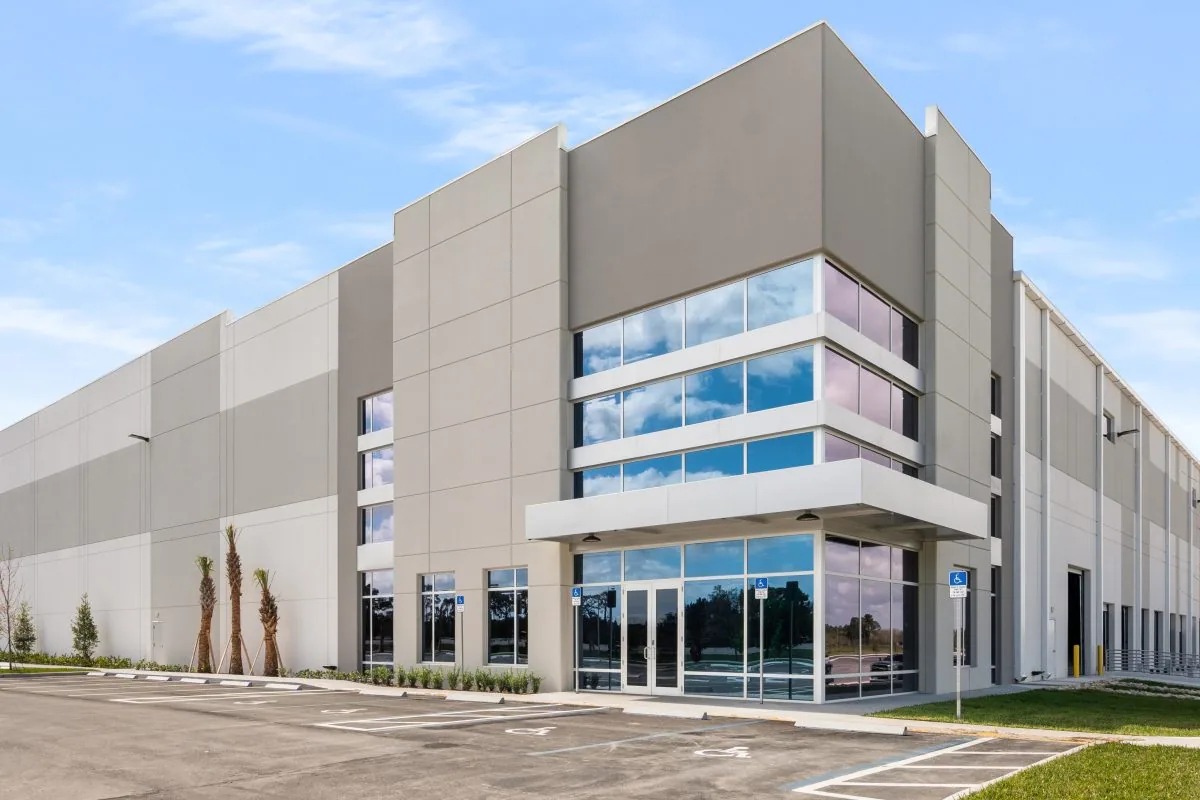
A third-party logistics roof serves an operation with several moving schedules: tenants, carriers, receiving teams, and the building owner. Roof access and loading lanes need to be planned together. Warehouse projects at different stages line Hesperia's I-15 and Highway 395 corridors, with project areas tied to local truck routes. That citywide context makes freight access part of a local conversation, not a claim about any one site. We map the roof sections and dock cycles before choosing a repair or reroof sequence.
Keep the Dock Plan in the Scope
We ask which doors and lanes must remain open, when inbound and outbound peaks occur, where trailers queue, and who can approve staging. The answers affect lift placement, debris removal, material delivery, and the route to roof access. A roof section can be technically repairable but unavailable during the building’s busiest window. We mark the phase boundary and close-in time so facility operations can see what changes during each shift.
Hesperia’s I-15 and U.S. Highway 395 corridors are identified in city transportation information as regional freight connections. Hesperia's designated local truck routes supplement the I-15 and Highway 395 connections. Those facts orient an access conversation; the property’s traffic plan determines the crew route. A commercial roof inspection can document drains and seams, while occupied-building reroofing ties the work phases to the receiving schedule.
Inspect the Roof in Zones
A large low-slope roof can have different repairs, elevations, and installation dates across its deck. We record each area separately and locate seams, drains, curbs, expansion joints, edge metal, and footpaths. A leak report is matched to those details, not assigned to the whole building by default. If the insulation may be wet, a test opening identifies the affected limit. This lets a logistics manager compare a local repair with a phased capital project using the same map.
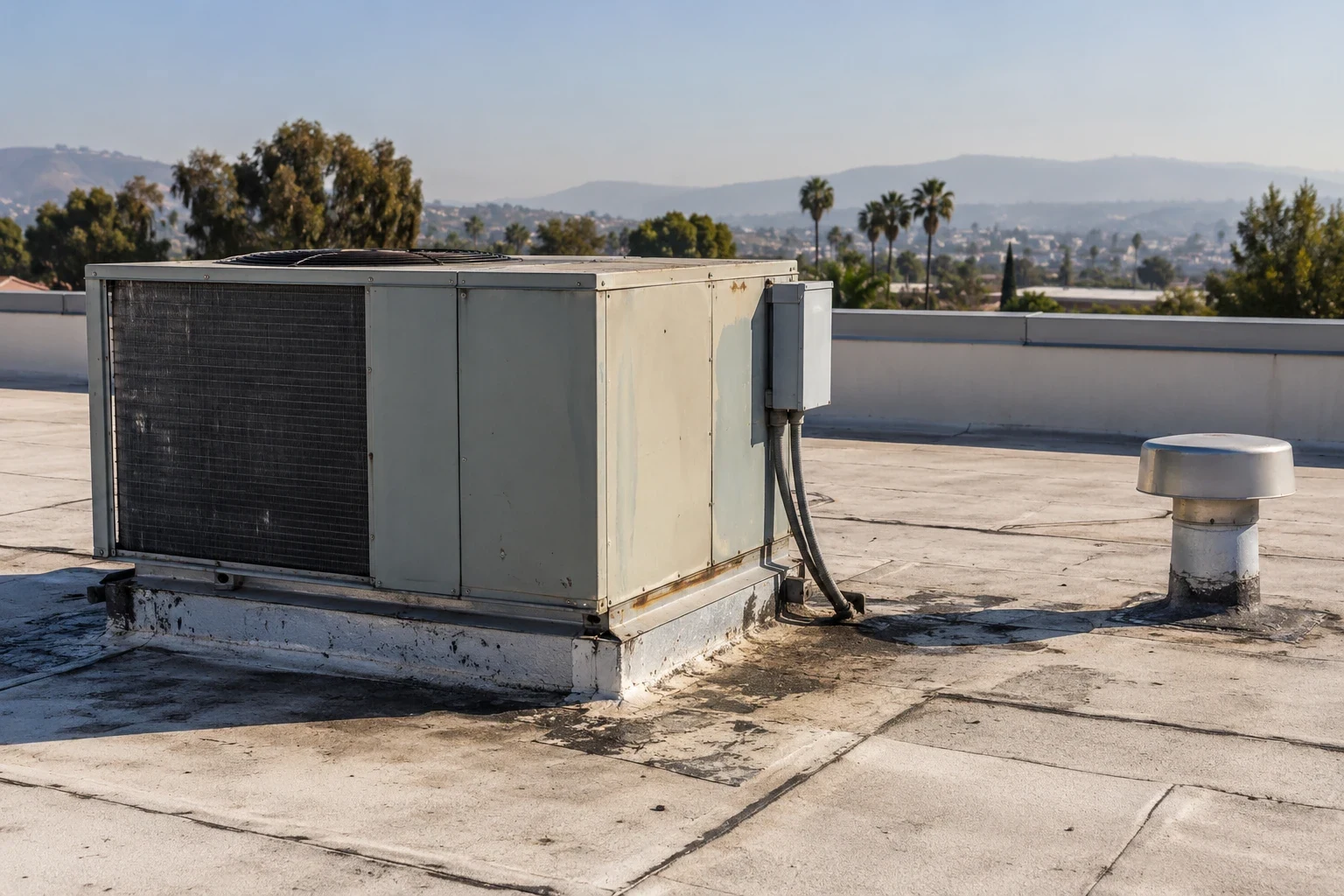
The nearby Hesperia station has a 97.0°F normal daily high for August, which makes heat exposure a practical inspection question for roof seams. It describes climate at the station, not the roof surface at an operating center. Repeated heat still gives us reason to check seam movement and exposed transitions. For a known defect, commercial roof repair should name the materials and tie-in. If it spans zones, a warehouse roof replacement scope may need removal and access assumptions laid out separately.
Check the Details That Slow Water
Water at a drain or scupper may point to debris, an open clamping detail, a low spot, or a failed membrane tie-in. Those conditions need different work. We inspect each outlet, overflow, curb, and wall transition, then trace where water can move under the roof. Dock-side ceiling reports are compared with equipment lines and roof seams above. The repair note identifies what was cleaned, sealed, replaced, or tested, so routine maintenance does not conceal an unresolved assembly problem.
Several warehouse projects remain at different stages along the city's freight corridors, a planning fact that does not identify any 3PL roof condition. That activity does not establish the property’s current condition or tenant. A drain and scupper repair addresses outlets; flashing repair addresses a separate transition. The owner can keep those tasks distinct when pricing a section that remains active throughout the loading day.
Choose the Scope by Evidence
A seam defect over dry, attached insulation may support a targeted repair. A test that finds wet material can require removal beyond the surface opening. Recover may be possible if existing layers are secure and the new height does not compromise drains or perimeter details. Full replacement reaches the deck but carries more demolition, staging, and disposal. We show the evidence for each path, the boundaries of the work, and what finding would change the estimate.
Industrial, business-park, and regional-commercial uses mark the land-use mix near Hesperia’s freeway corridor. That setting does not specify an individual roof system. We inspect what is installed. A TPO membrane system has a different seam and curb approach from standing-seam metal roofing. The existing deck, insulation, fasteners, drains, and exposure determine whether either belongs in the scope.
Phase Around Carrier and Tenant Activity
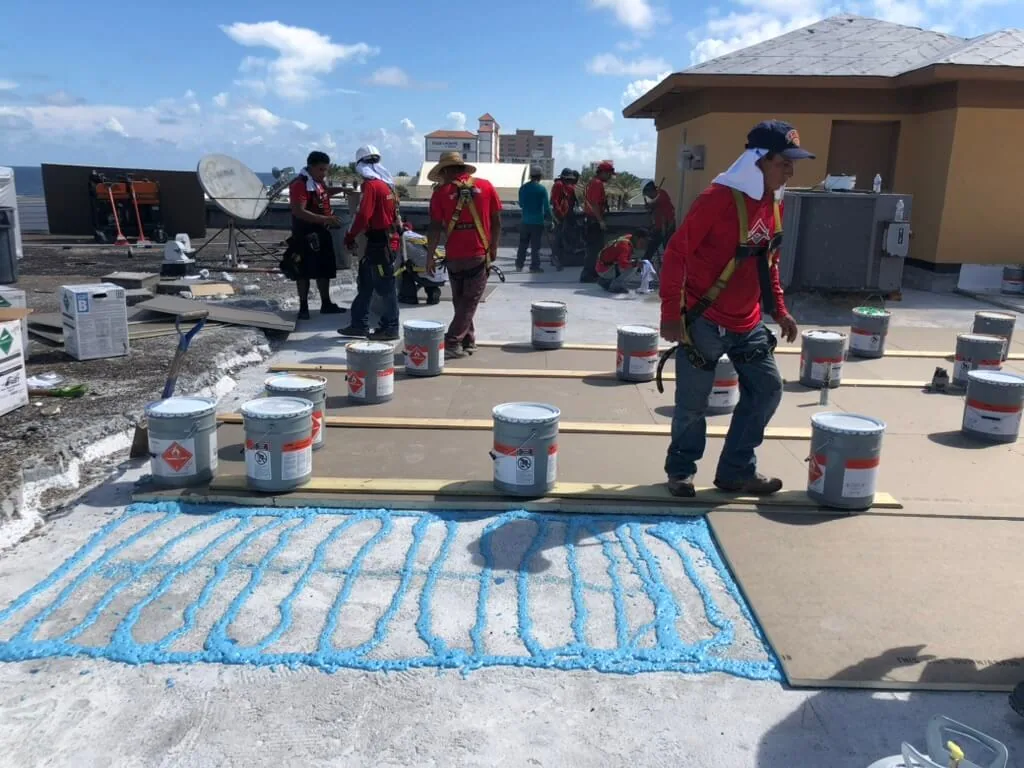
The building owner and 3PL contact identify who controls the roof, who communicates with tenants, and which carrier schedules cannot be moved. We set work hours, delivery path, staging, and interior protection before equipment arrives. The facility contact can also identify an alternate lane for emergency vehicle access or incoming trailers if the preferred route is temporarily blocked. Each phase lists its opening area and dry-in point. A planned shutdown may be needed for a curb or line, so the responsible trade and approval contact are named in advance. The schedule should identify when the dock or lane returns to its normal use.
Hesperia freight streets help estimate regional delivery paths; the property's approved gate and crane position must still be confirmed with its operator. We verify that on the site plan. A logistics and 3PL roof program can hold repeatable reporting fields across buildings, while the I-15 and Highway 395 district is broad geography rather than an exact service address.
Compare Cost and Downtime
Pricing reflects removal depth, deck and insulation condition, drain work, perimeter details, equipment coordination, protection, disposal, and the number of work zones. Smaller phases may protect dock access but require more setups. A test opening can narrow the moisture boundary before a larger order. We separate known quantities from hidden conditions and show how approval is handled if removal exposes additional damage. This helps the owner judge both the roof scope and the operating interruption. A close-in photo should be tied to its roof zone and the shift when that phase ended. The owner can then confirm that a temporary cover was removed only after the tie-in was complete. If the dock schedule changes, the supervisor and roofing lead need a named contact for revising the access window. Those details are more useful than a generic promise to avoid disruption. A manager can compare planned work with receiving forecasts, carrier appointments, and tenant notices, then release a roof section only after the work boundary and interior protection are understood.
A roof record also supports maintenance between projects. The roof capital plan can separate active leaks from future work, and manufacturer facility roof coordination can record drains and exposed seams after a repair. In Hesperia, industrial districts and the freeway corridor help frame the setting; the dock schedule, site plan, and actual roof determine the work sequence. Send those details with the address and access contact.
Commercial Roofing Questions
Can docks stay open during a roof project?
The plan can reserve active lanes and divide the roof into phases, but staging and lift access have to fit the property’s traffic controls. We confirm work windows with the owner and 3PL contact.
How do you limit disruption to tenant operations?
We map the roof zone against rooms and dock lanes below, then agree on notice, access, protection, and close-in points before the phase begins.
What roof records help a 3PL operator?
A marked plan, leak dates, repair photos, drain notes, equipment details, and phase approvals make later service calls easier to locate and compare.
Can you repair one dock area without reroofing all sections?
A focused repair is possible when inspection and testing show the surrounding assembly is stable. We record what was tested and any nearby condition that could change the boundary.
What should be set before material delivery?
Confirm the staging area, carrier schedule, dock restrictions, roof access, lift path, trade coordination, and close-in plan. Those details belong in the approved scope.