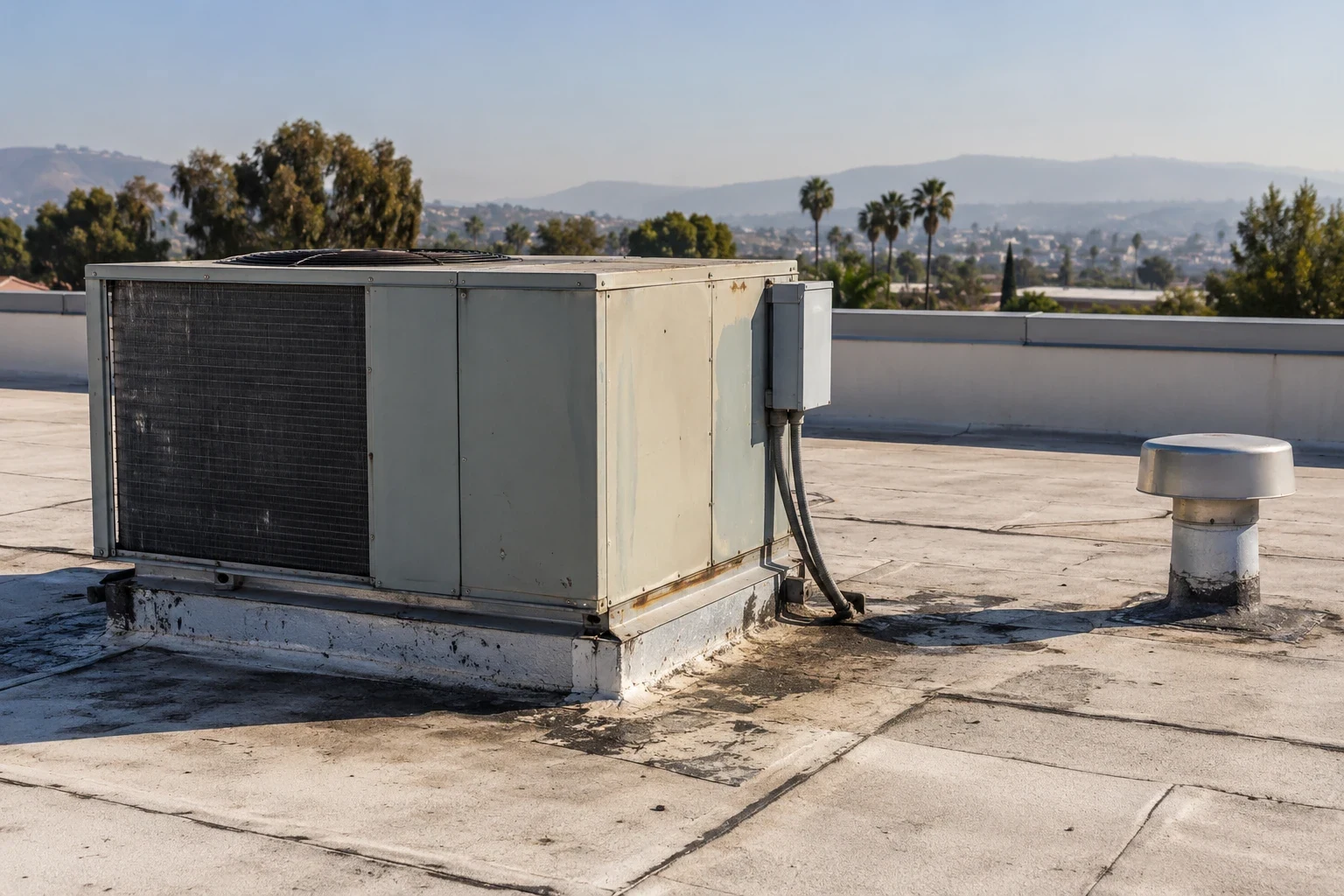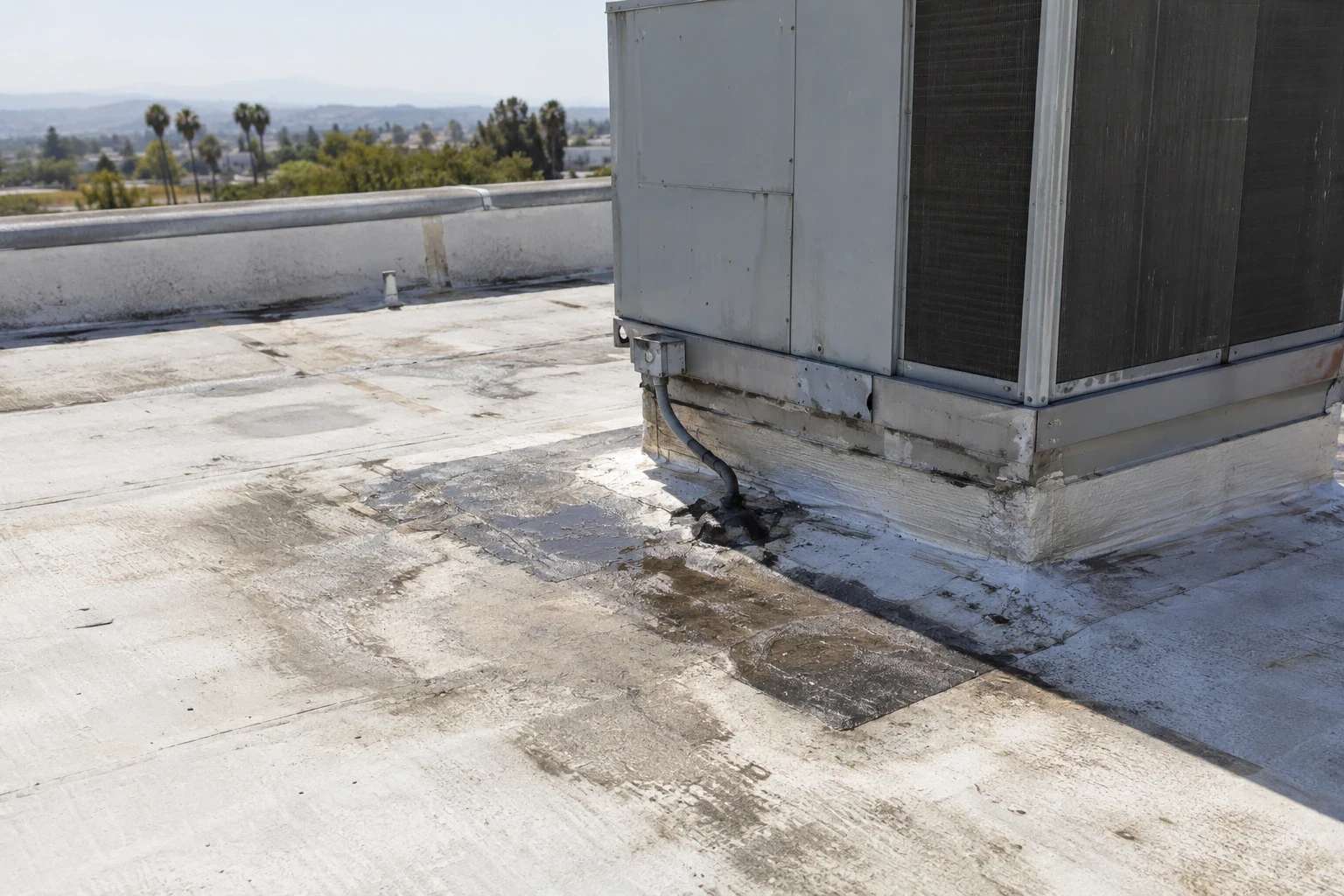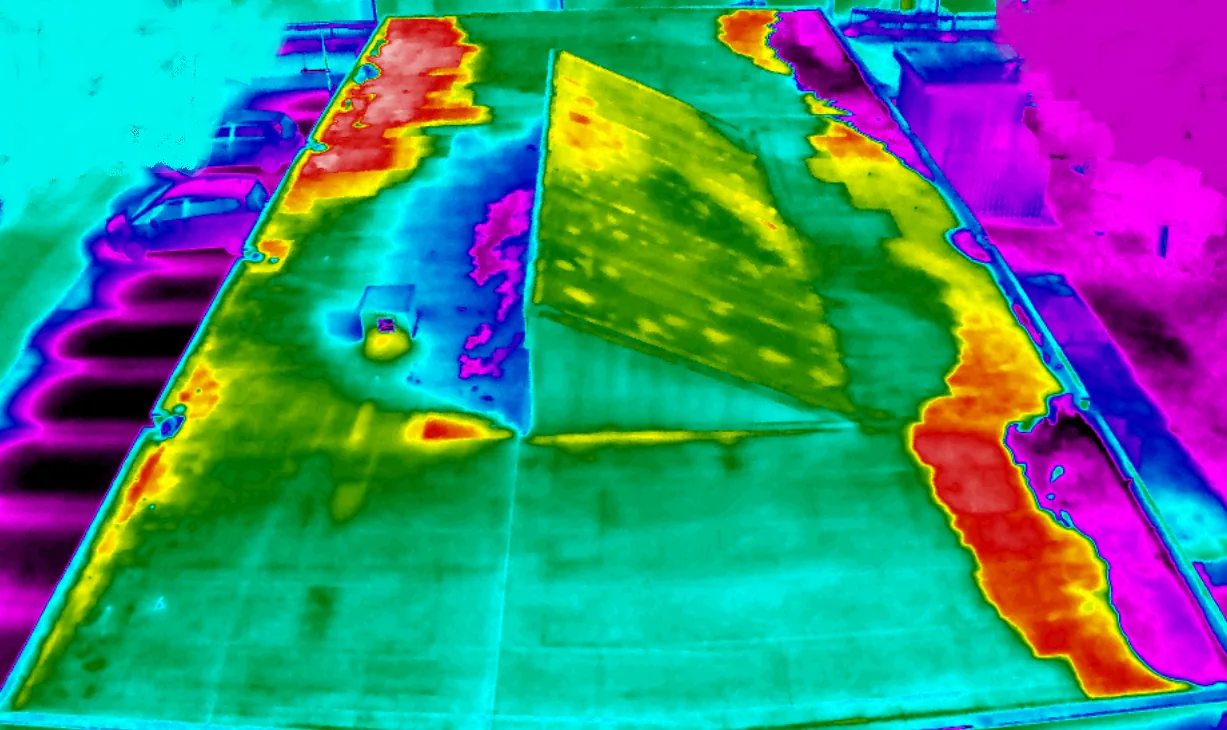
Commercial Emergency Roof Repair in Hesperia, CA
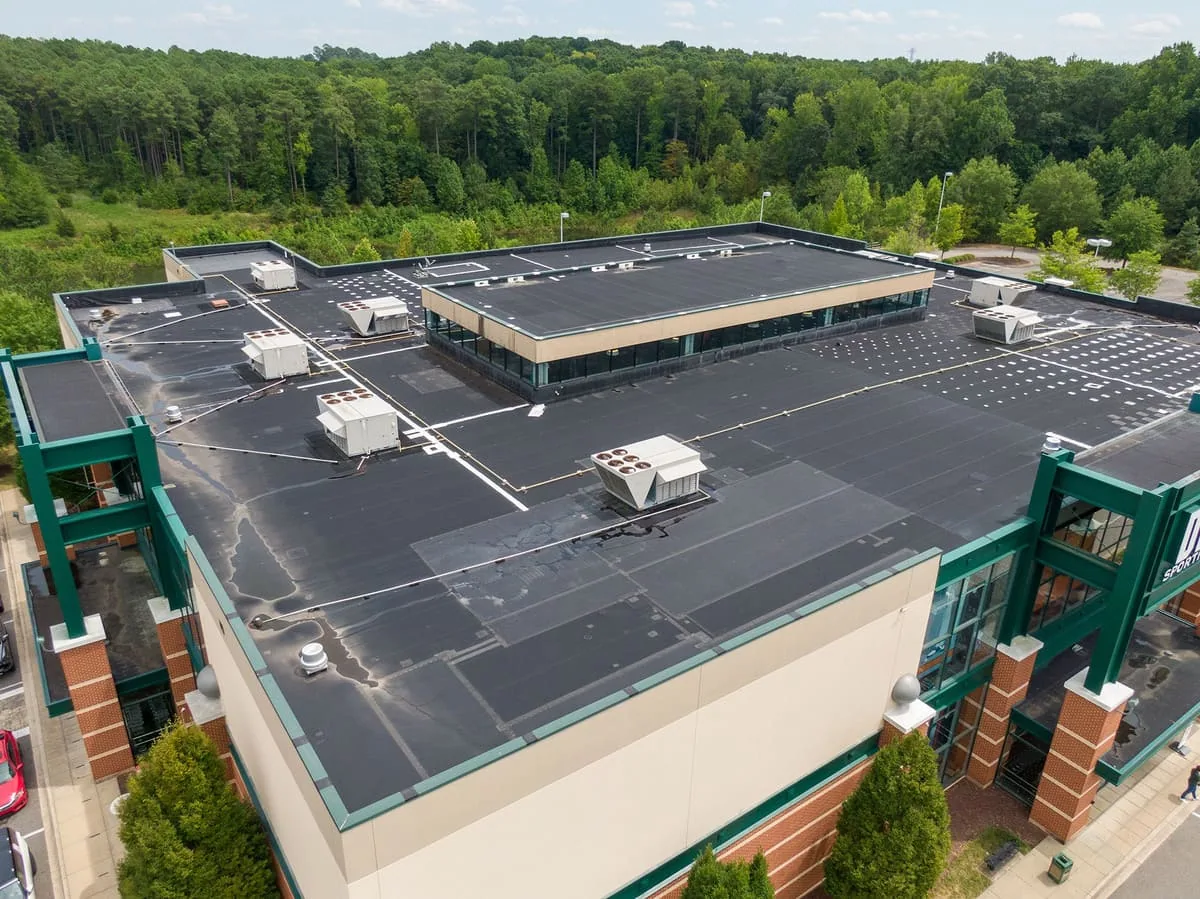
An active leak in an occupied building calls for immediate control of exposure and a safe route to the affected roof area. Commercial Roofers Hesperia records the reported entry point, protects the interior as conditions allow, and tests the assembly before defining permanent work. Emergency response starts with observable conditions, available access, and a clear stop point for any temporary measure. A commercial roof inspection can establish the next diagnostic step after temporary control.
Make the First Call Useful
Share the property address, a callback contact, the room or roof area affected, and when the water appeared. A photo from a safe interior location can help describe the condition. Do not climb to a roof edge or enter an electrical, ceiling, or equipment hazard to gather more information. If water is near energized equipment, follow the facility's safety procedure and contact the appropriate qualified responders. Tell us whether the report concerns one room, several tenants, stored goods, or a production area. That distinction helps set an access plan and identify who can authorize temporary protection. A floor plan or roof plan is useful when available, but it does not replace a field check. We ask about earlier repairs, drains, rooftop units, and recent work because those details may change the inspection path. No repair method is selected from a stain photo alone.
Control Access Before Roof Work
Temporary roof work has limits. Water, dust, heat, wind, brittle components, open penetrations, and restricted ladders can make a roof unsafe to enter. The facility contact should identify approved access, escort requirements, roof zones that are off limits, and areas that must stay open below. Near Hesperia’s I-15 and Highway 395 corridors, we confirm truck movement, staging, and gate access with the site operator. For a Hesperia response, staging matters as much as the route into town. Regional truck routes use I-15 and U. S. 395, with designated surface approaches such as Bear Valley Road and Santa Fe Avenue. Confirm a property's gate instructions with its operator. That is useful regional context, not a promise about a specific property's access. We confirm the actual entrance, loading area, and work window with the site contact before bringing material to the roof.
If access cannot be verified or conditions are unsafe, we explain the limitation and discuss interior protection or a later inspection. An unsafe climb is not an acceptable shortcut.
Temporary Protection Has a Boundary
A temporary measure is meant to limit exposure while the roof can be evaluated. It may involve a compatible patch, a secured cover, or another short-term step selected for the surface and conditions. The method depends on the roof material, water path, weather, and whether the area can be reached safely. A loose cover can become windborne; an incompatible sealant can interfere with a later repair; a patch placed over wet or contaminated material may not hold. We document the location and describe what the temporary work does not address. If the source is not visible, the protection area may be smaller than the suspected wet zone. The owner should also have a facility plan for moving people or contents away from active water. For broader leak tracing, see commercial roof leak repair. Temporary protection is a first control, not a warranty that water entry has stopped everywhere.
Trace the Entry, Then Test
Water may travel from the point it entered before it reaches a ceiling. We map the interior report to roof features such as seams, curbs, edge transitions, drains, and previous patches. The apparent location is a starting point, not a diagnosis. Hesperia 2 E's 1991-2020 August daily-maximum normal is 97.0°F; a roof surface still needs its own field check. Check roof-surface and worker conditions before contact with a membrane. That climate fact does not prove that heat caused a particular leak. We inspect the membrane, attachment, flashing, and substrate to determine what is open and what remains sound. A controlled water test may be appropriate only when the assembly and drainage allow it. A moisture survey or selective core can help answer a specific question about wet insulation. The scope records the test area, findings, and any untested portions.
Choose a Repair That Fits the Assembly
Once the entry is understood, the repair should match the existing roof and the extent of affected material. A localized membrane repair may be suitable when the surrounding surface and substrate remain serviceable. A failed flashing, seam, drain connection, or curb detail may require a different method. Wet insulation can require removal and replacement before a durable closure is possible. We identify whether the repair is isolated or whether nearby defects need separate pricing. A TPO roof assembly is repaired with a method compatible with its membrane and details; other systems need their own preparation and material choices. If the affected area extends beyond a patchable boundary, we explain the condition and discuss the next scope. The owner should receive the limits in writing, including areas not opened or tested. We identify temporary protection separately from the permanent repair scope and closeout.
Close the Loop With a Clear Record
Before work begins, confirm who can approve added scope, who will provide roof access, and how the building contact will receive updates. After the response, the closeout should identify the roof area, temporary or permanent work completed, material used where known, test performed, and remaining uncertainty. Photos should show context as well as the repair detail. If moisture remains below the roof, the property team may need a separate interior drying or finish assessment. Keep the record with prior roof plans, warranties, and repair history. A follow-up maintenance review can place the repaired area on a routine inspection list without implying that a new inspection will prevent every future leak. Contact intake with the address, a description of active water entry, and the access contact. We will confirm availability and safe access, then identify what can be assessed and what the next decision requires.
Keep the Scope Verifiable
After the first control, the owner needs a short record that supports the next decision. We note the time of access, weather and surface conditions, roof zone reached, visible opening, temporary material, and any area that could not be inspected. When the source is uncertain, we distinguish a suspected path from a confirmed defect. If a second leak report comes from another part of the building, it receives its own location and sequence rather than being folded into the first repair. The Industrial District is one of the named land-use districts in Hesperia’s corridor specific plan, but district designation does not describe any individual building. A Hesperia Industrial District roof assessment should start with the same property-specific checks.
Commercial Roofing Questions
What details should I provide during an active leak call?
Give the property address, a callback contact, the interior area affected, when water appeared, and whether people or equipment need to be moved. Include photos from a safe location and identify who can approve roof access. We will confirm availability and safe entry before arranging a response.
Will a temporary patch be the permanent repair?
Not necessarily. Temporary protection limits exposure while the assembly is evaluated. A permanent repair depends on the roof material, the opening, adjacent layers, and whether moisture has spread. The closeout should identify what was protected, what was repaired, and any untested area.
Can a ceiling stain pinpoint the roof opening that needs repair?
It gives a useful starting point, not a confirmed roof location. Water can move along a deck or through insulation before it appears inside. We compare the report with seams, curbs, edges, drains, and prior repairs, then test only when the assembly and conditions support it.
What can delay permanent roof work?
Restricted access, unsafe surface conditions, wet insulation, a different roof assembly than expected, or an approval boundary can change the sequence. We explain the finding and the required next decision before expanding beyond the temporary measure.