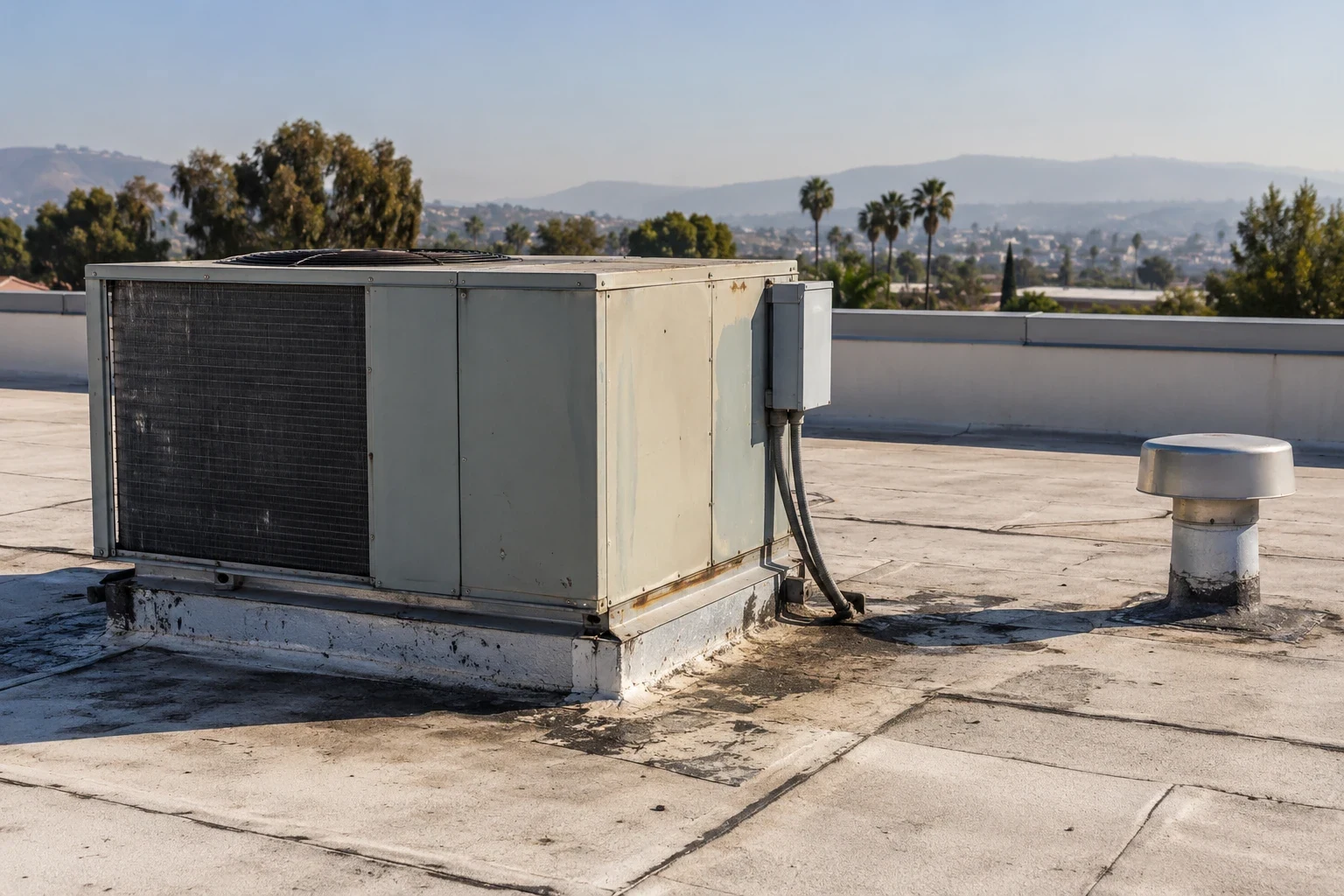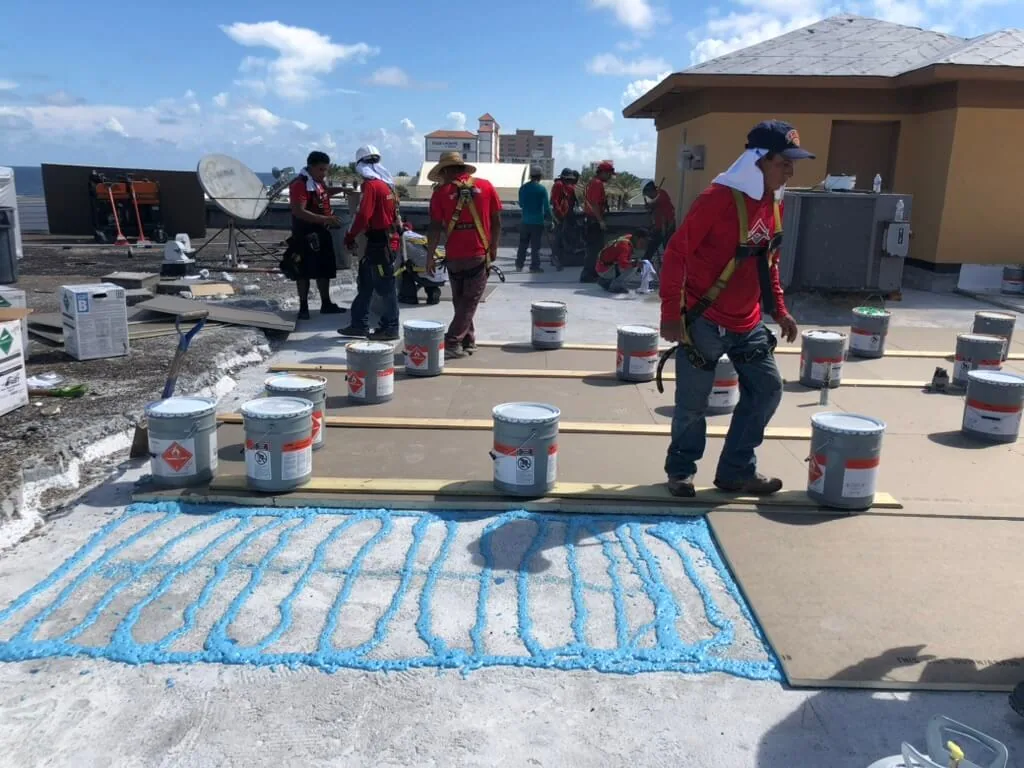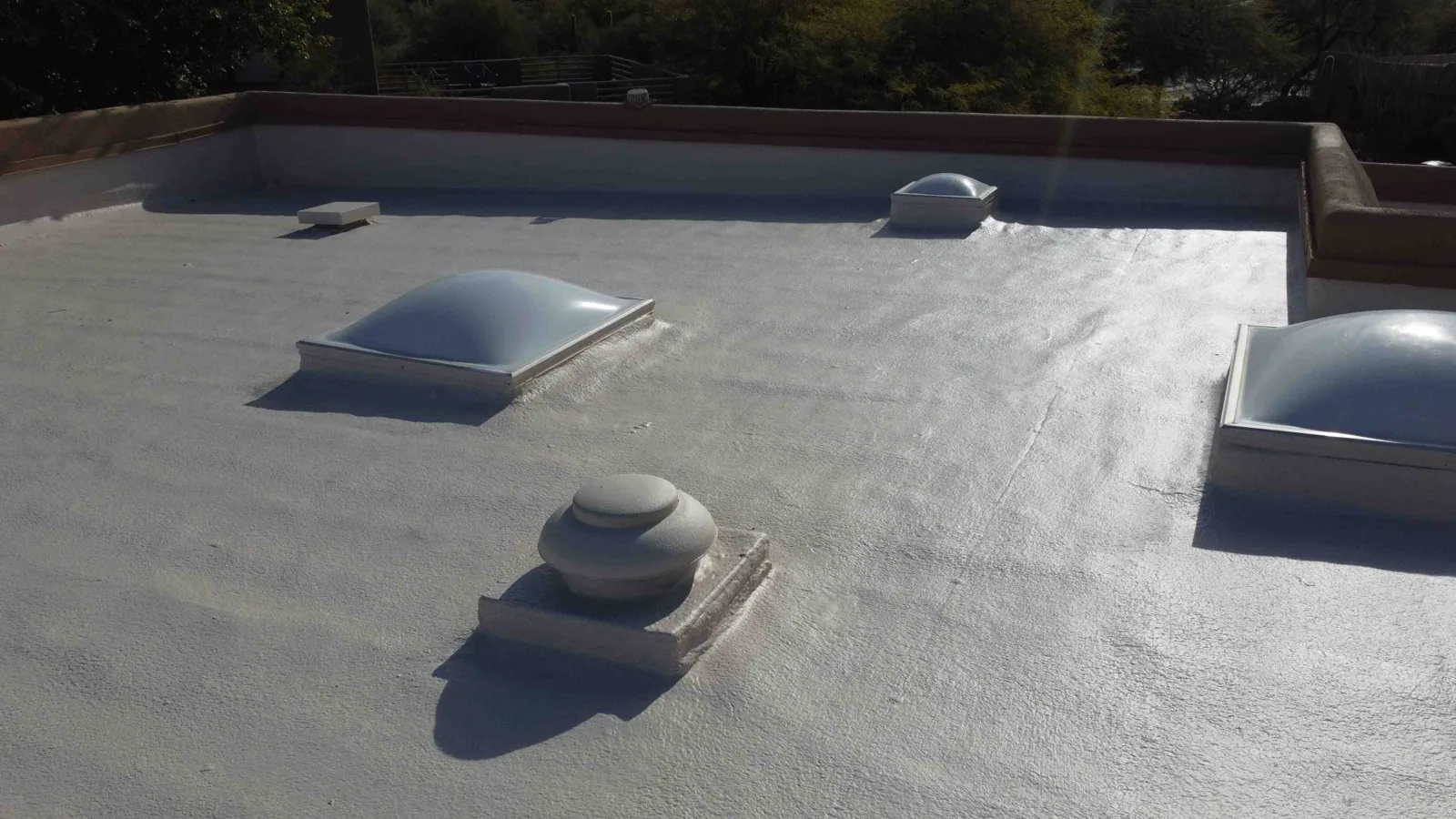
Hesperia Neighborhood District Commercial Roofing
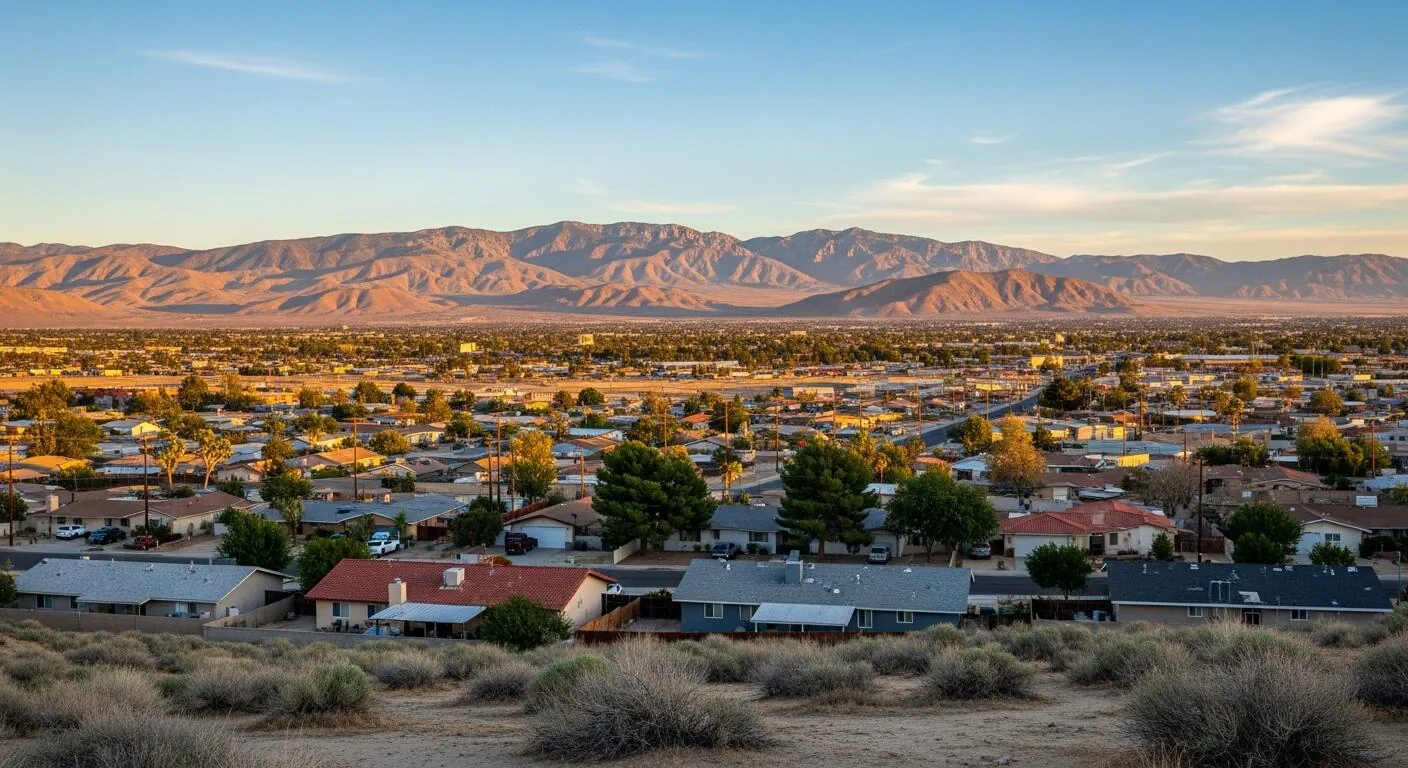
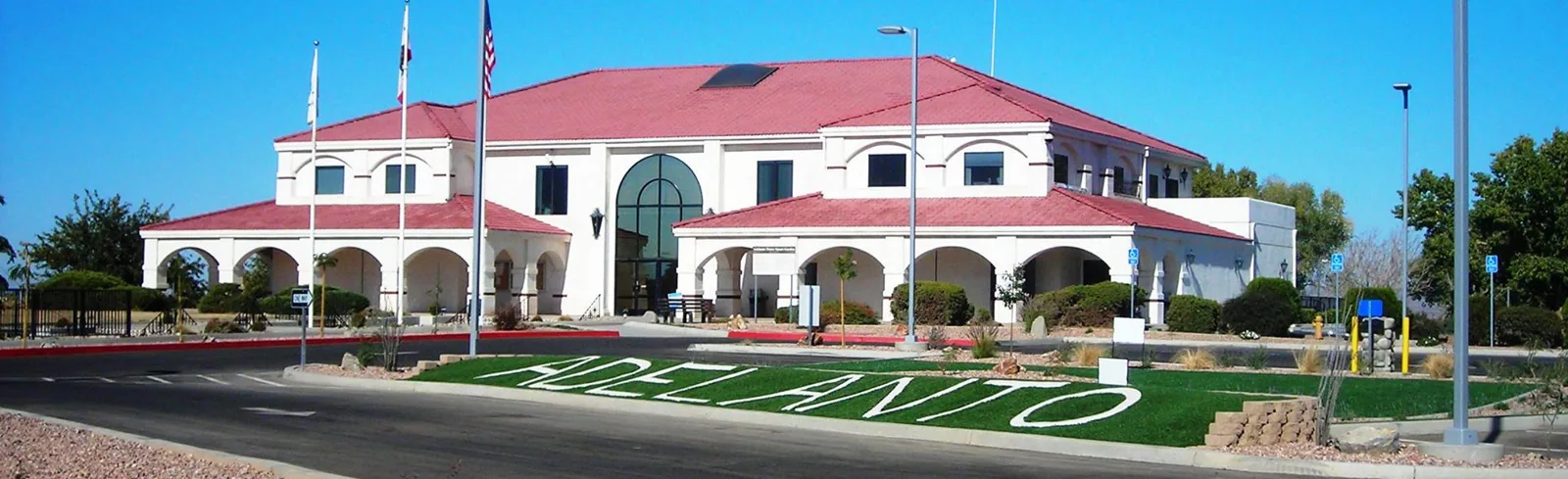
Hesperia's corridor includes a Neighborhood District. The plan describes residential areas, parks and open space, and neighborhood commercial activity, with circulation and streetscape considerations across the corridor. This planning context does not identify a particular roof or building. It does make occupant communication, safe pedestrian access, and clear work boundaries important parts of a commercial roofing scope in this part of Hesperia.
Read the property context
A property in a neighborhood district may sit beside homes, a small commercial row, a community-serving business, or open space. The first site review should identify which of those uses share a boundary, driveway, or parking area. We note roof access points, employee and resident paths, delivery windows, and any public-space edge that needs protection. A roof sketch alone cannot show those ground conditions. The field plan connects the roof zone to the entrances and work areas below, so the manager can approve a realistic staging location and tell occupants what will change.
Trace the reported condition
Interior reports are logged with room, date, and weather details, then compared with roof geometry. A ceiling mark near a wall may reflect water travelling from an up-slope penetration or edge, while a drain issue can affect a wider area. We inspect seams, penetrations, curbs, wall terminations, edges, and prior patches. If the likely path cannot be confirmed visually, we explain what a moisture scan or limited opening can establish. The report separates observed defects from possible causes, allowing an owner to authorize the next test without treating every symptom as proof of full-roof failure.
Circulation, parking, parks, and streetscape improvements are planned across Hesperia's corridor districts.
Coordinate site access
Neighborhood access often depends on keeping a walkway, small parking area, or shared entry usable. Before setting a work date, we confirm who controls the property, whether residents or tenants need notice, and whether a lift or dumpster can be placed without blocking circulation. We mark any temporary route change and define the hours when noisy work is expected. A contractor should never assume that an open stall is available simply because it appears empty during the inspection. Written staging notes reduce conflict and help a short repair proceed with fewer surprises.
Choose a documented scope
The repair boundary should follow evidence. An isolated flashing gap with dry adjacent material may support targeted work; wet insulation or repeated defects can move the decision toward a larger section. We photograph the starting condition, mark the limits, and describe removal and tie-in details. If the scope includes coating or recover work, we assess whether the existing surface and drainage are suitable. The proposal states the assembly being retained, the material being replaced, and any concealed condition that could change price. Owners can then compare options on a shared set of assumptions.
Review drainage boundaries
Water management deserves attention even when the reported leak is near an edge or penetration. We inspect roof drains, scuppers, strainers, and overflow points, then note whether debris, settlement, or a blocked path is visible. Where roof drainage connects with a site system, we distinguish roof work from plumbing or grading outside the roofing contract. A recommendation should identify the specific outlet or transition and the reason it matters. That gives the manager a checkable task and prevents a vague drainage note from being mistaken for a completed repair.
Coordinate shared access and resident notices
The city plan’s references to parks, circulation, and streetscape are useful reminders to check public-facing areas, but current conditions at the property still need direct confirmation. We identify pedestrian paths, nearby entries, and any work overhead, then choose barriers and notices appropriate to that site. Roof work is divided into zones that can be opened, repaired, and secured before the crew leaves. If weather or an unexpected deck condition changes the sequence, we pause and document the temporary protection before proceeding. This is safer than improvising a ground route after the roof is open.
For an occupied property, a roof inspection can document the leak path and access limits, while a focused repair plan may address a confirmed defect. A larger area can be compared through commercial roof replacement when evidence supports it. Assembly options such as TPO roofing should be checked against substrate and drainage, and managers can use office-building roof planning to consider tenant coordination. The neighboring Main Street-West District service area and City Center District service area describe different Hesperia locations.
Managers should also decide how condition reports will move between the tenant, property owner, and roofing contractor. One person can consolidate reports, confirm whether a symptom is active, and identify the room without distributing sensitive business records. We record the roof location separately from the tenant name so future maintenance can follow the physical condition even if occupants change. If a roof section cannot be accessed safely, the report says so and identifies a practical follow-up. That keeps the inspection honest and prevents an inaccessible roof zone from being mistaken for a cleared area.
Close with a usable roof record
At closeout, the owner should receive marked photos, a list of completed locations, materials used, and any inspection or warranty documents that apply. We flag areas that were inaccessible or not opened, and we state what future observation would help resolve uncertainty. A seasonal check may focus on drainage and edge conditions rather than repeating a full survey without purpose. These records help a future manager distinguish a new issue from an old repaired detail and make maintenance decisions using the same roof map.
Planned uses include residential areas, parks and open space, and neighborhood commercial activity.
A practical maintenance visit can include debris removal at accessible drainage points, visual review of edge metal, and photographs of previously repaired details. The owner should know whether that work is included or separately authorized. We note the date, weather, and locations so a later visit can compare conditions. If a new opening or soft substrate appears, routine maintenance stops and the owner reviews a repair scope before disturbance continues. This separation between upkeep and repair gives property teams better cost control and a clear record of why a condition moved from observation to corrective work.
If a repair is completed, the written closeout should specify any cure or access restriction that affects when the area can be walked or loaded. The property contact can then update the maintenance calendar and make the next roof visit consistent with the installed material and manufacturer instructions.
Commercial Roofing Questions
Can roofers work near occupied homes and businesses?
Work may be possible with a defined zone, notice, safe pedestrian routing, and a sequence that limits exposure. Site conditions determine the controls and schedule.
Does a planning district confirm which roof system a building has?
No. The city plan describes land use and public-space goals. Roof assembly and condition must be confirmed from records and field review.
What information helps diagnose a recurring leak?
Record the room, date, weather, and whether the symptom changed. A safe interior photo and available roof plan can help us compare the report with the roof layout.
Can maintenance catch small problems before a leak returns?
A documented inspection can identify visible maintenance items and track changes. It cannot promise that concealed conditions will not develop.
Will you coordinate the schedule with tenants?
We can prepare access and work-window information for the owner or manager to share. The property’s representative remains the contact for tenant notices and approvals.