Different organizations need the roof record in different forms. A property manager may coordinate multiple tenants, while a logistics team may need a clear route around loading activity. We start with the decision the owner needs to make, then document the condition and next action that the responsible group can authorize.
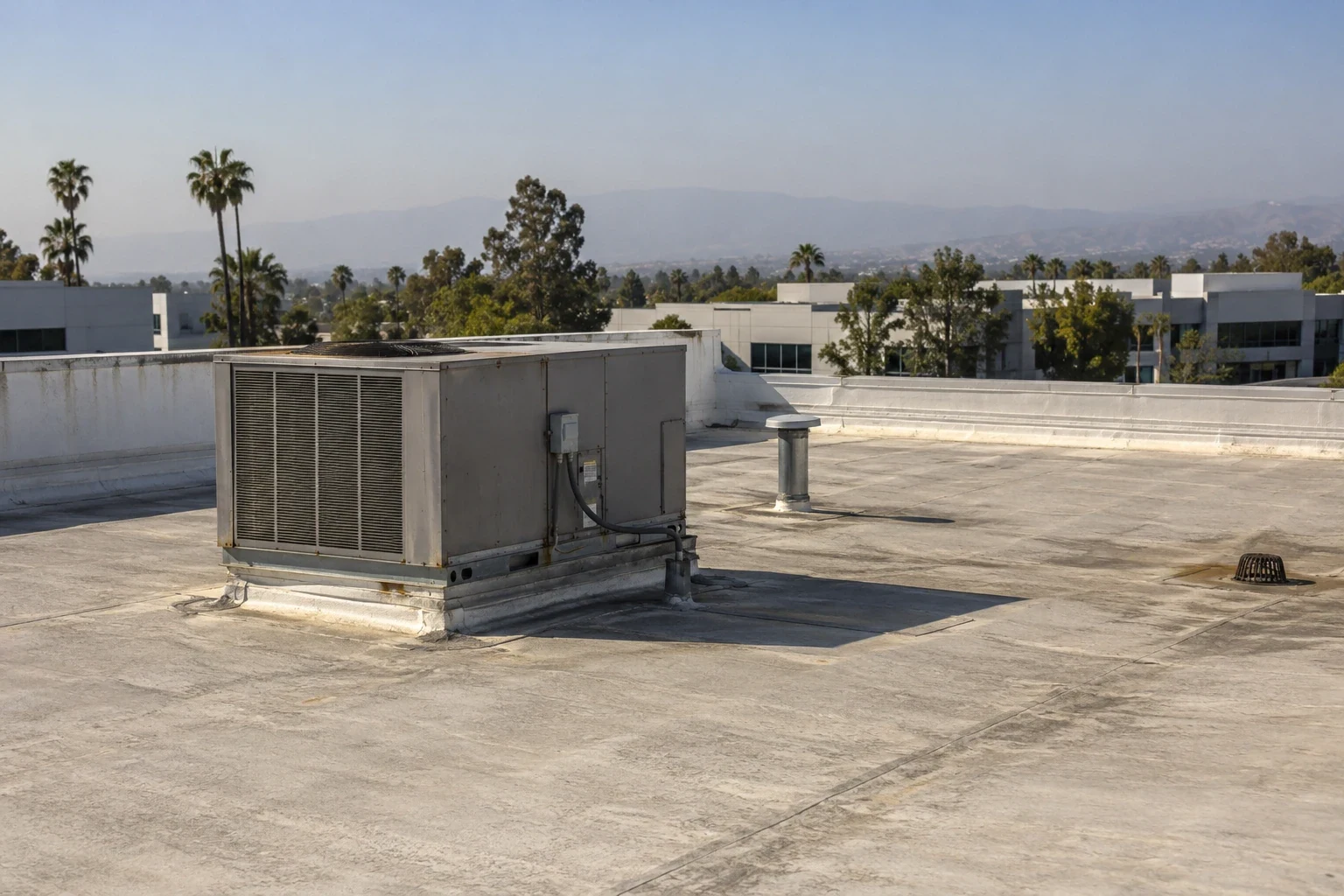
Property Managers
Property managers in Hesperia need roof records that connect condition, access, and tenant schedules. Compare repairs and capital options by section.
Read More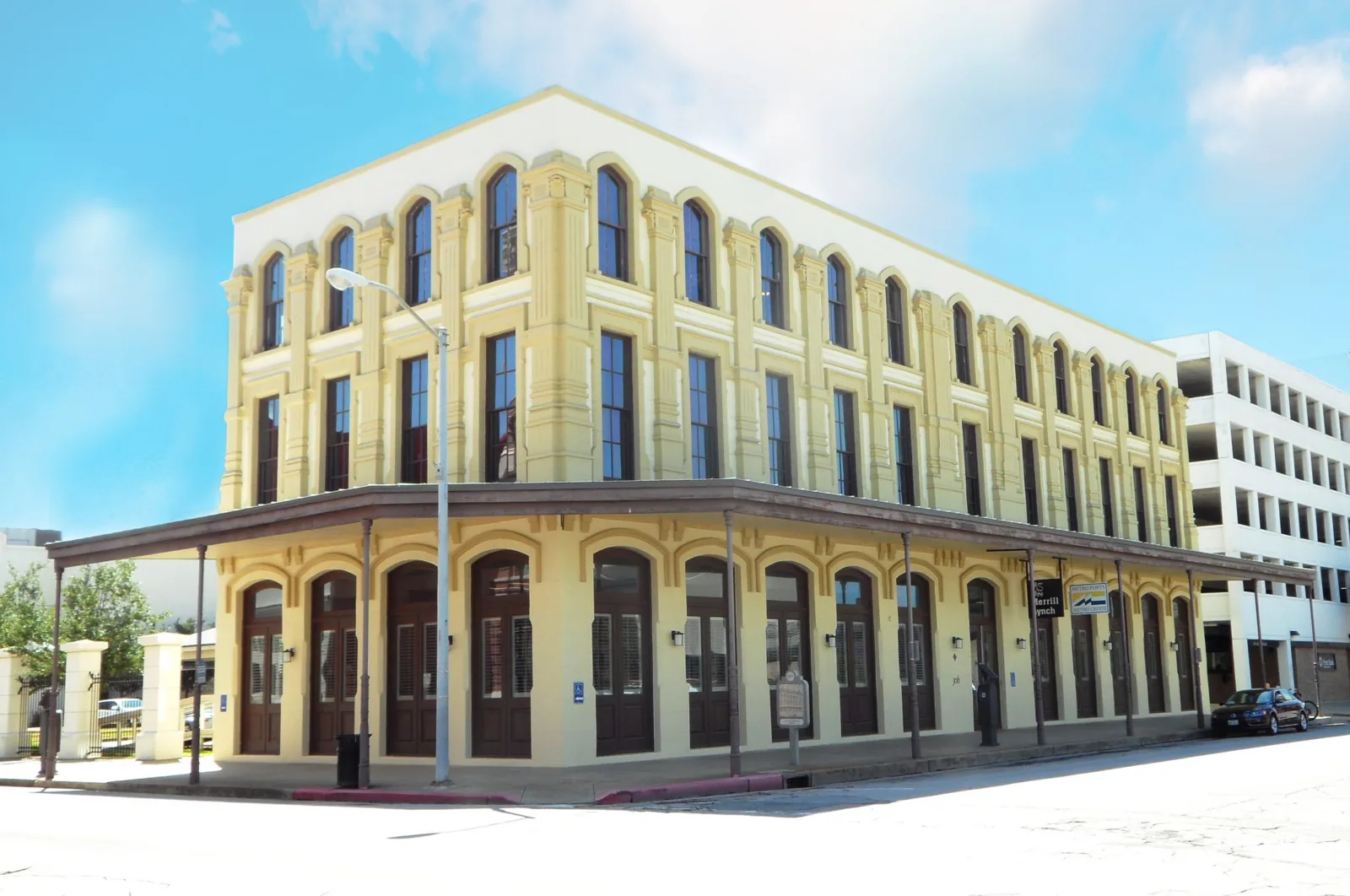
Real Estate Investors
Roof diligence for Hesperia investment properties should separate tested conditions from assumptions. Review drainage, layers, repair history, and scope risk.
Read More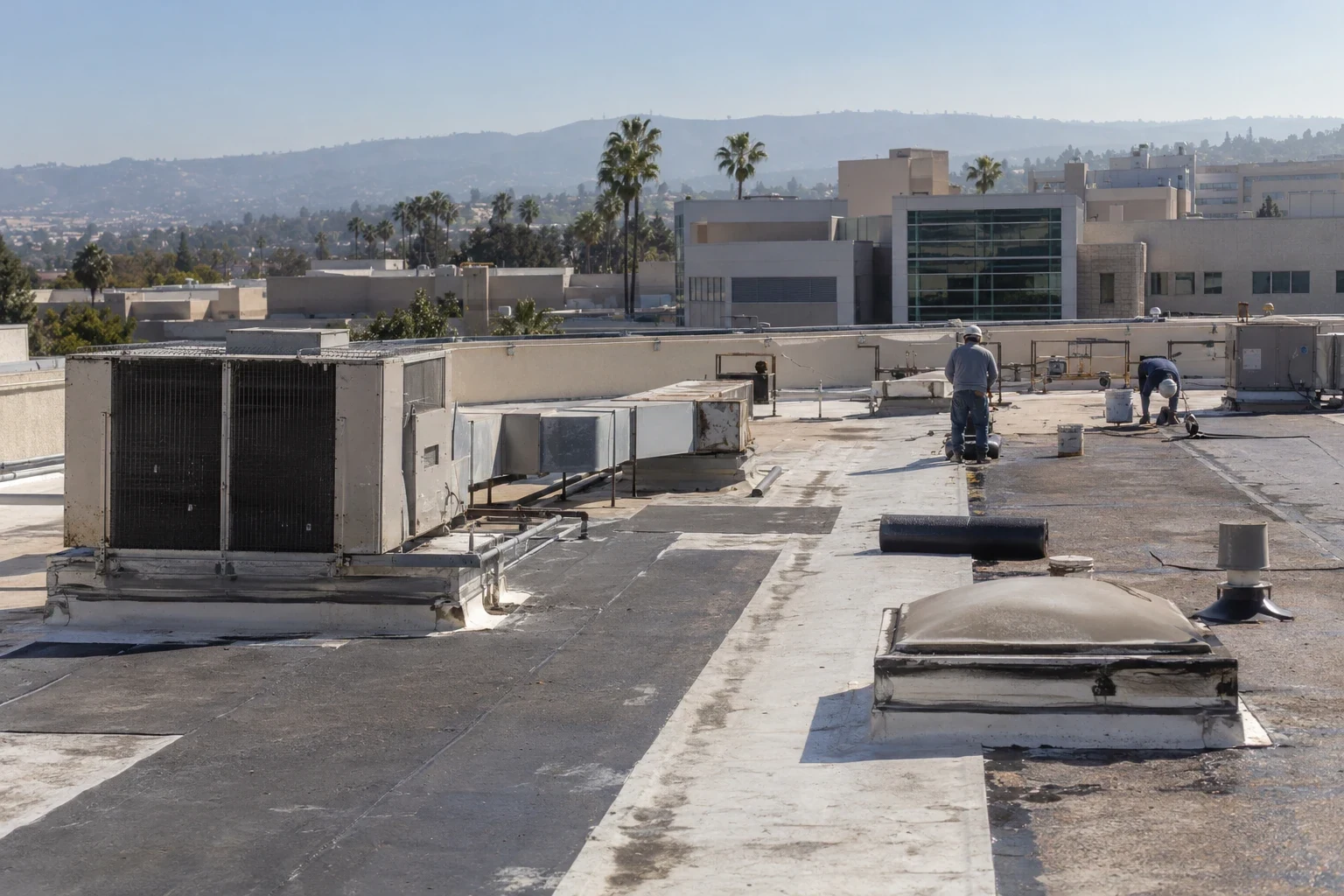
Healthcare Systems
Healthcare system roofing in Hesperia needs phased access, coordinated equipment work, and room-level protection. Tie findings to a clear scope and schedule.
Read More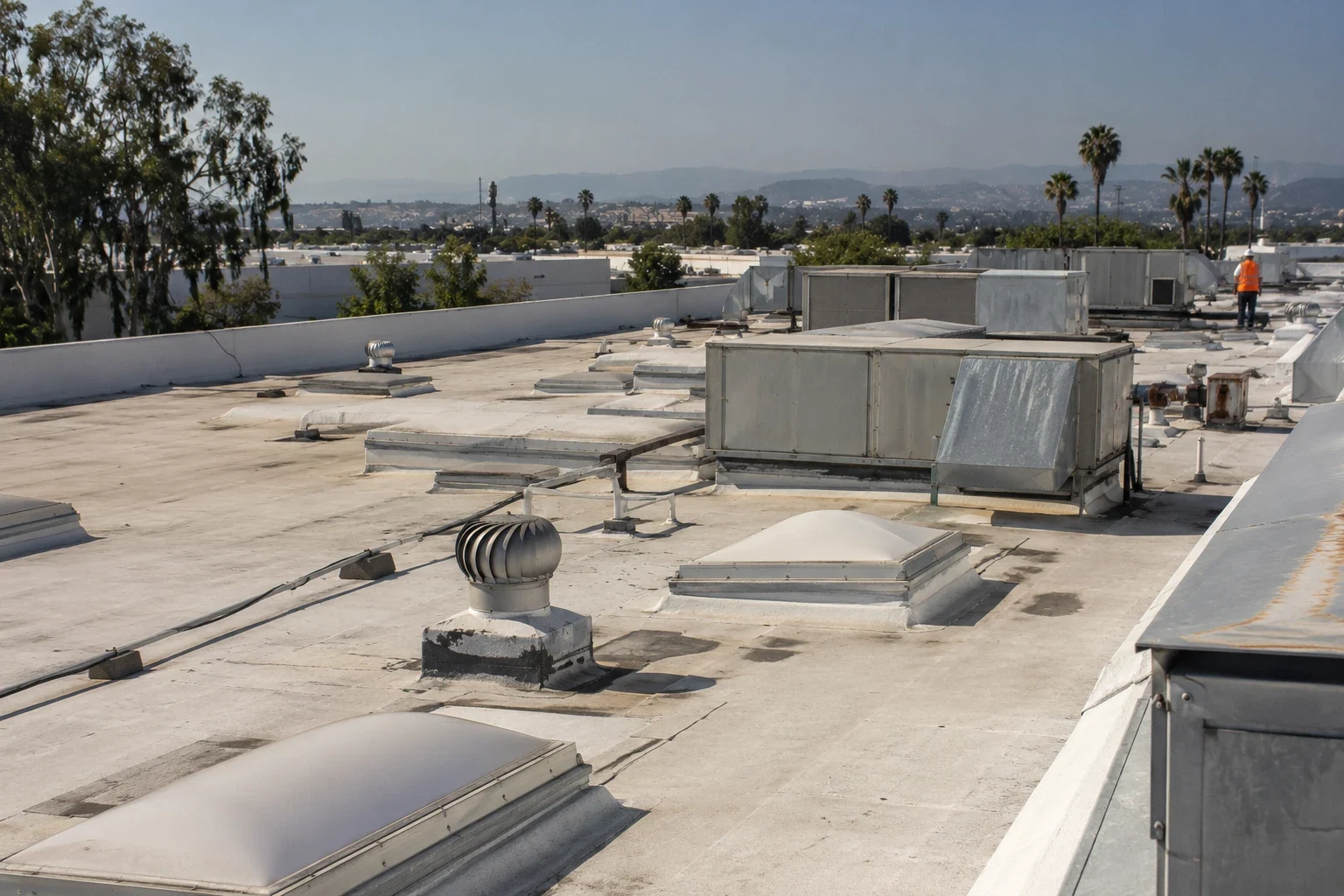
Manufacturers
Manufacturing roofs in Hesperia should account for active processes, rooftop penetrations, and safe work windows. Define hidden-condition approvals before work.
Read More
Logistics Companies
Logistics roofing in Hesperia should coordinate dock cycles, staging, drainage, and phased access. Tie each roof section to a work window and close-in plan.
Read More
School Districts
School district roofing in Hesperia needs clear campus access, protected interiors, and phased work. Plan repairs around the calendar and documented conditions.
Read More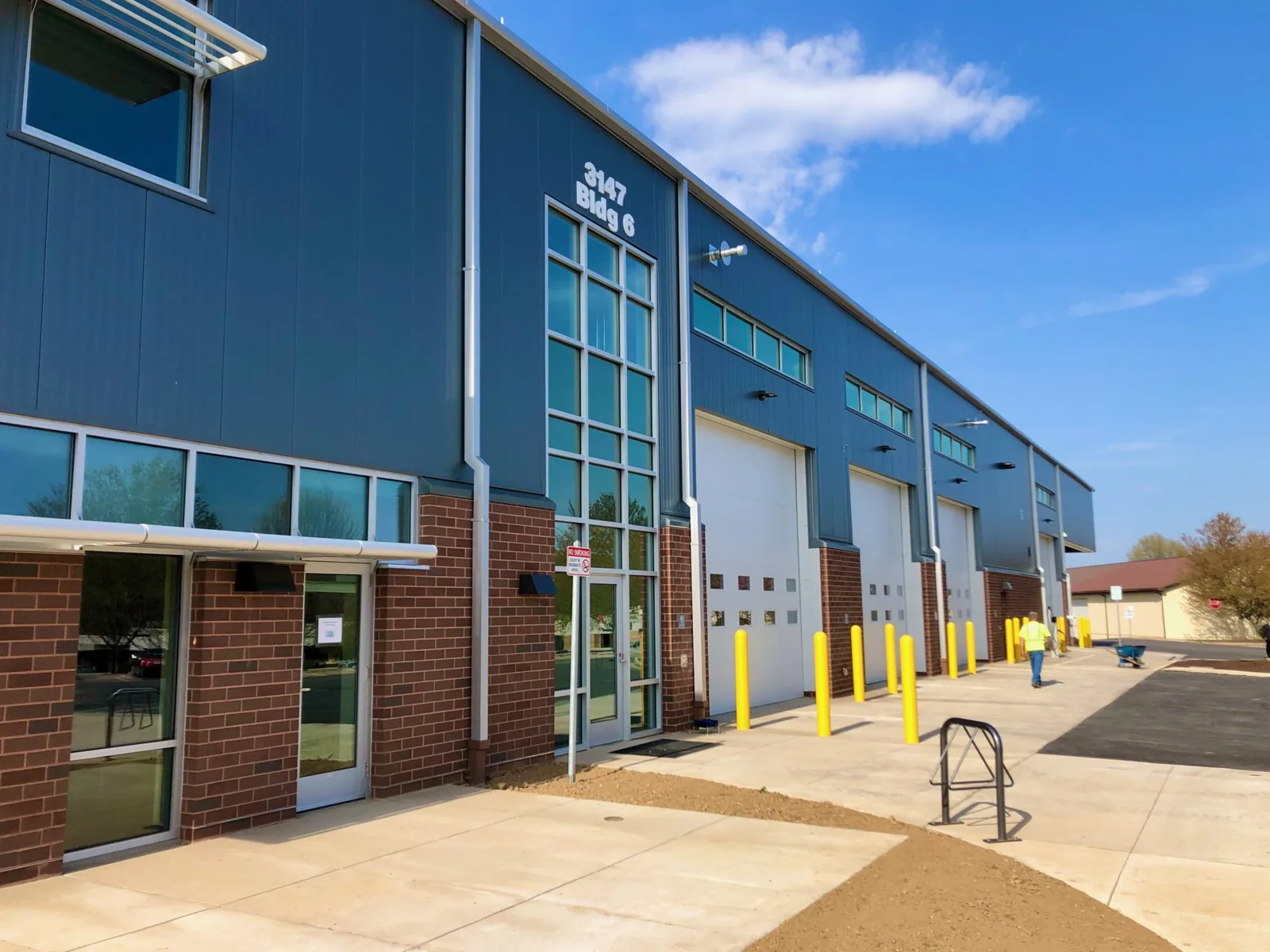
Public Agencies
Public agency roofing in Hesperia needs a documented scope, defined access, and clear approvals. Separate observed conditions from work that needs testing.
Read More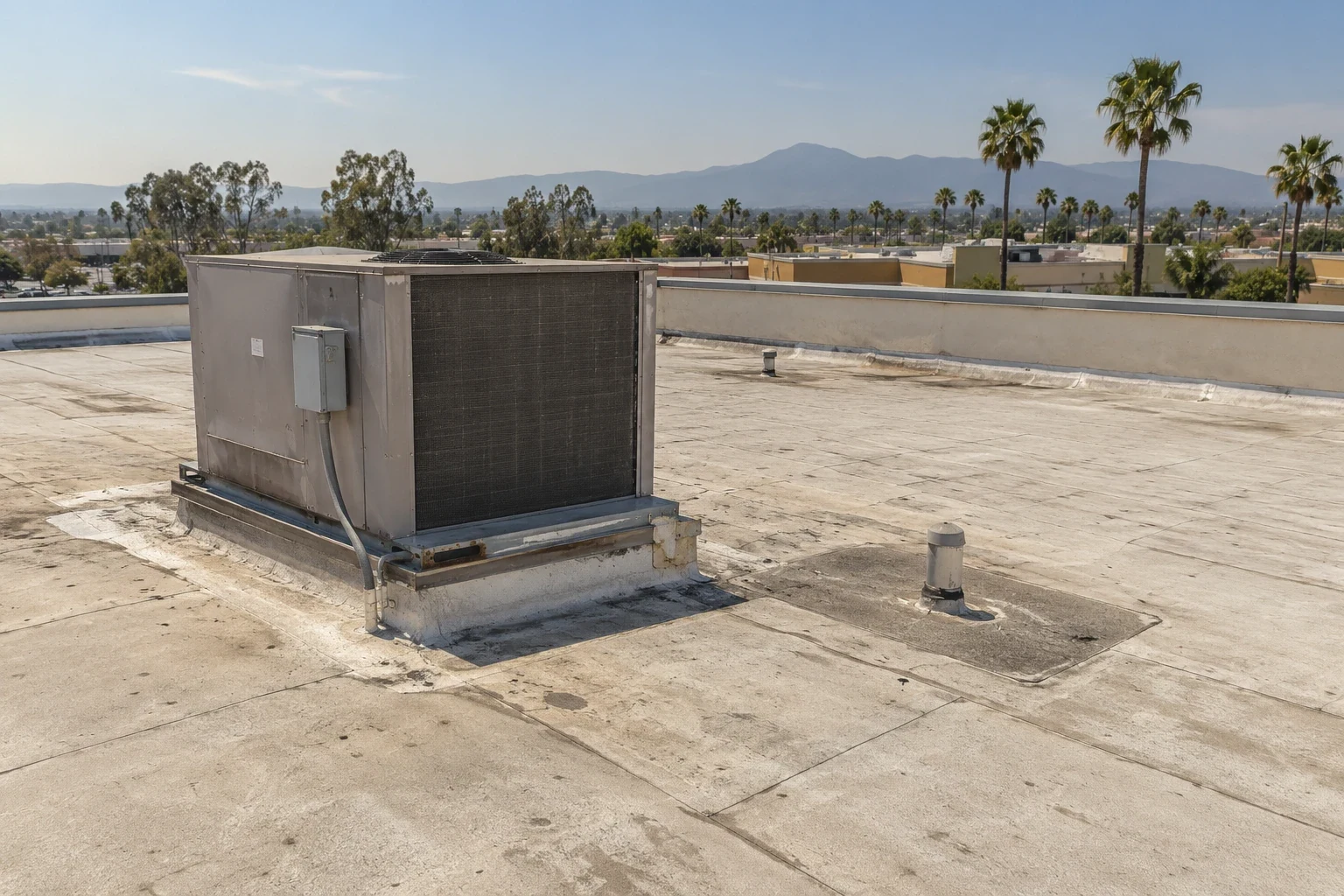
Retail and Restaurant Chains
Retail and restaurant roofing in Hesperia should protect entrances, deliveries, rooftop equipment, and occupied space. Compare repairs with phased replacement.
Read More
Hospitality Groups
Hospitality roofing in Hesperia should account for guest access, service areas, equipment, and phased work. Define repair limits and close-in controls up front.
Read More
General Contractors
Roofing scopes for Hesperia general contractors should define substrate, interfaces, trade handoffs, and close-in points before work starts.
Read More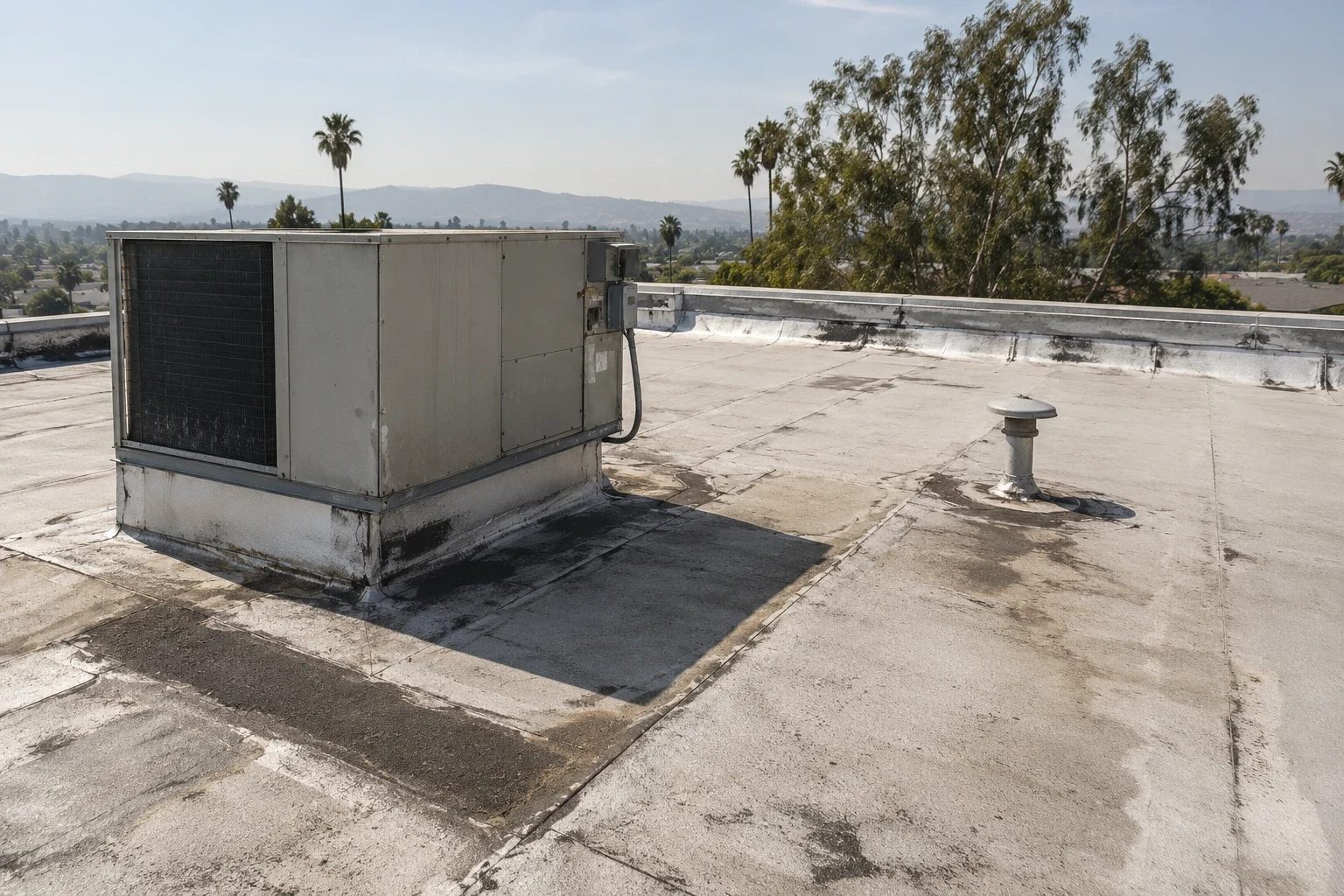
Insurance Restoration
Insurance restoration roofing in Hesperia needs dated photos, measured repair limits, and a clear separation of observed damage from assumptions.
Read MoreMap the decision roles
Confirm who approves scope, who controls roof access, and who needs notice if an area is closed. One property can involve operations, maintenance, safety, tenant representatives, and an outside manager. The service plan should identify those roles so that the inspection boundary and repair limits are understood before crews arrive.
Connect roof work to operations
Hesperia’s regional transportation connections include Interstate 15 and U. S. 395, and city materials identify routes used for truck access. Those corridors can shape delivery planning, but they do not establish an individual site’s gate rules or work hours. The property contact supplies those details while the roof review records the defect, assembly, moisture evidence, and conditions that could alter the recommendation.
Make portfolio comparisons useful
When several groups review a proposal, keep the comparison tied to observed roof areas and defined options. Separate immediate water control from longer-term renewal. List what the contractor will protect, what the owner must provide, and which unknowns remain. A concise record allows facilities, finance, and operations staff to discuss the same scope without mistaking a planning assumption for a completed inspection.
Close the authorization loop
A short handoff prevents responsibility gaps. The person who reports water may not control roof access or authorize a test opening. Confirm who can approve the inspection, who receives the photographs, and who decides whether a temporary protection step is appropriate. For an investment or portfolio discussion, identify which questions need a contractor finding and which belong to accounting, insurance, or legal review. A roofing scope should document observed conditions without implying that it settles those separate decisions.
Industry planning routes
Use these industry routes to organize operational constraints and approval roles. Recommendations should remain tied to the observed roof section and each owner’s priorities.
- Property Management Companies
- Logistics 3pl
- Public Agencies
- Healthcare Systems
- Retail Restaurant Chains
- Manufacturers
- General Contractors
- Real Estate Investors Reits
Commercial Roofing Questions
Who should join the first roof review?
Include the person who can arrange access and someone who can describe the interior symptom or operating constraint.
Can a report support capital planning?
A report can show observed conditions, priorities, and follow-up needs; budgets and timing remain owner decisions.
Do you coordinate with tenants?
The owner or manager identifies notice requirements and points of contact before work is scheduled.
What if a portfolio has several sites?
Keep a site-specific condition record for each roof while using consistent fields to compare follow-up status.
Can a roof report replace insurance or legal advice?
No. It records roof observations and scope recommendations; separate coverage and legal decisions remain with the owner and advisers.