Hesperia Freeway South District Commercial Roofing
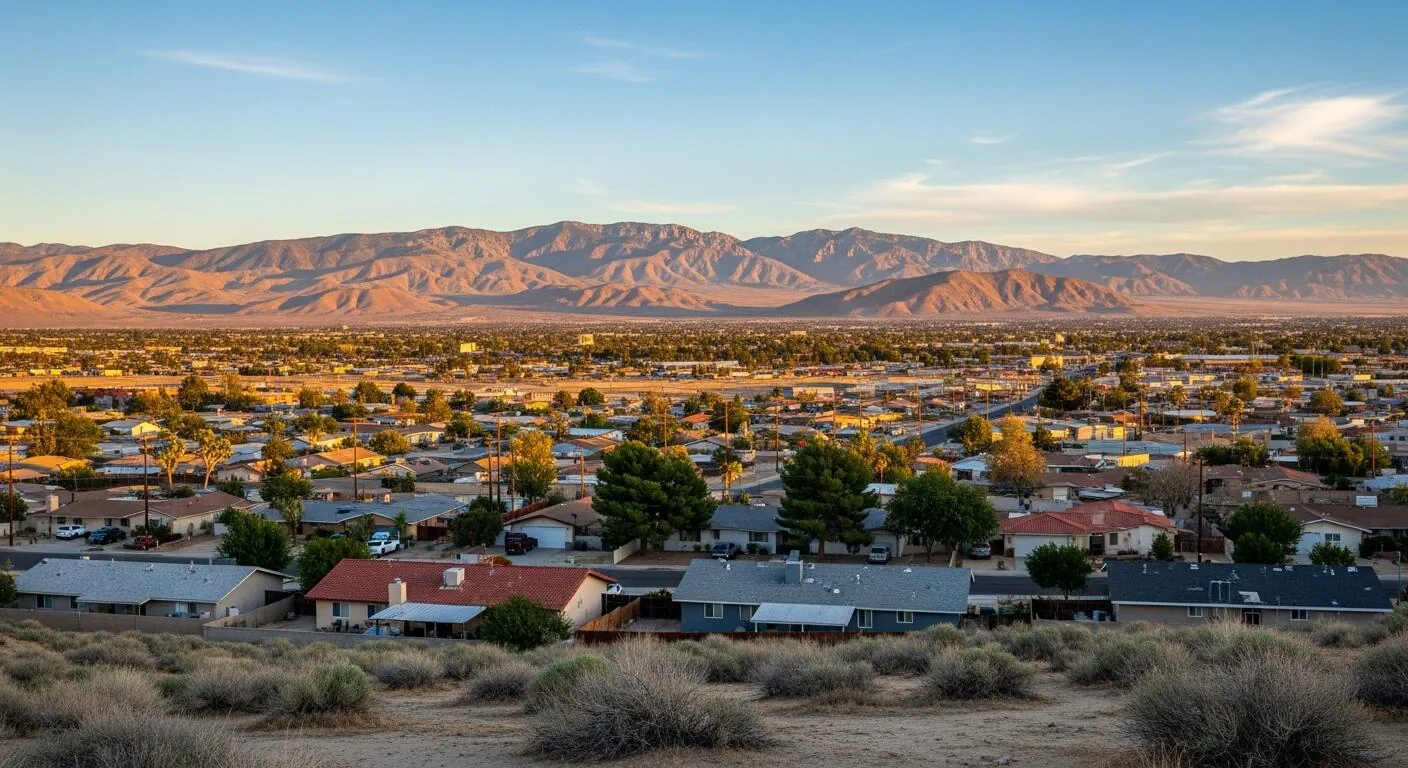
The plan identifies regional commercial uses and auto sales in that district and treats it as part of a corridor connected to surrounding areas. That context is useful for thinking about visibility, vehicle circulation, and customer access, but it does not establish conditions on any specific property. Commercial roof work still starts with a documented inspection and a site-specific logistics plan.
Read the property context
For a retail or vehicle-oriented property, the roof and the lot operate together. We identify customer entrances, display or parking areas, service bays, deliveries, and any path used by emergency vehicles. A lift location that works for the roof may obstruct a showroom approach or service drive, so we test more than one staging option before pricing. The owner should confirm current hours and any restrictions on vehicle relocation. We map the work area from ground to roof to keep the proposed repair boundary and the daily access plan connected.
Trace the reported condition
A leak reported above an office, sales floor, or service bay needs a location reference and a timeline. We ask when it appears, which weather conditions preceded it, and whether earlier repairs changed the symptom. On the roof, the inspection follows the likely water path across seams, curbs, skylights, drains, and edge details. We do not assume the closest penetration is responsible. The report records what was visible, what was tested, and what remains uncertain, so a manager can approve further investigation only when the outcome could change the scope.
The district is part of the freeway corridor, where the city’s framework emphasizes access and connections to surrounding areas.
Coordinate site access
Customer-facing operations may continue during some roofing work, but the decision depends on overhead hazards, noise, access, and weather exposure. We define barriers, entry routes, and the times when loud removal or equipment placement will occur. If a service lane must stay open, the sequence may divide the roof into smaller zones and use alternate staging. A written plan also names the person who can approve a temporary closure. The schedule remains provisional until the property team confirms those conditions; a district designation cannot substitute for a site walk.
Choose a documented scope
A localized defect can be repaired when the surrounding membrane, flashing, and insulation remain in acceptable condition. If the inspection finds multiple weak transitions or wet substrate beyond the symptom, a larger section may be more appropriate. We show the findings on a roof plan, describe removal limits, and list the tie-in details to be completed. For a coating or recover proposal, we check adhesion, roof height, drainage, and assembly compatibility first. The owner receives alternatives with clear assumptions rather than a one-size recommendation based on the property type.
Review drainage boundaries
Roof drainage and lot drainage can intersect without being the same system. We inspect outlets and scuppers from the roof, note standing water or debris, and document whether water is moving toward a vulnerable transition. If the next connection is underground or part of site grading, we identify that boundary for the responsible trade. This prevents a roofing scope from promising a fix outside its control. Dated photographs after rain can help compare the same locations and determine whether a reported ponding area changed after maintenance or repair.
Keep customer routes and service bays available
Work sequencing should protect parked vehicles, customer routes, and service operations while keeping the roof weather-tight at every shift end. We list each section to be opened, the temporary closure method, and any materials that must be moved before a lift arrives. If a change order is needed, the contractor documents the new condition and waits for owner authorization. A simple daily log can record the area completed, photos taken, and any access constraint that shifted the next phase. This lets the site contact compare promised and actual progress without relying on verbal updates alone.
A vehicle-facing business can use a commercial roof inspection to map defects around service bays and entrances before selecting a repair scope. If the roof needs broader work, compare replacement planning with metal roof retrofit only after assembly and drainage review. Owners can also examine auto dealership roofing considerations for operational details. The Hesperia Neighborhood District and Highway 395 and I-15 District are separate named areas in the city plan.
For properties with vehicle inventory or customer demonstrations, identify where vehicles can be moved before a roof phase begins. The site contact can mark priority parking, delivery bays, and emergency clearances; the roofing plan then selects a lift and drop zone that avoids them. We also verify whether customer circulation changes by weekday or season. If a planned closure affects an entrance, the owner decides how to notify customers. These details should be settled before a crew arrives, because an otherwise sound roof scope can lose time if staging must be renegotiated in the lot.
Close with a usable roof record
The final decision should consider the observed condition, future maintenance, disruption, and what material remains in place. We identify immediate leak-control work separately from capital options such as a recover or replacement. Each estimate should state what happens at edges, curbs, drains, and existing penetrations; those details can drive performance even when the large field area looks sound. At completion, the owner receives a roof map and care guidance tied to the installed assembly. A later inspection can then focus on the completed work and any condition the original scope intentionally left untouched.
Regional commercial uses and auto sales are planned for this district.
After a repair, the contractor and property representative can walk the ground-level work boundary, confirm that barriers and materials are removed, and review the marked roof photos together. This does not replace roof-level quality checks, but it closes the communication loop for an operating business. If a later leak appears, the owner can compare its room location and date with the completed section. A simple record of what was repaired, what was not included, and how to request a follow-up makes the next decision faster and reduces repeated exploratory visits.
When the property has several roof levels, the closeout map should distinguish each one and list where access is available. That lets a future inspector choose the same safe route and compare the same details rather than treating the entire roof as one surface.
We confirm current entry procedures and site rules directly with the authorized property contact before any crew is dispatched to the roof.
Commercial Roofing Questions
Can parking remain open during a roof project?
Often some areas can remain accessible, but lift position, overhead work, deliveries, and emergency routes determine the layout. We review the lot with the site contact first.
Does the Freeway South district mean a property is beside I-15?
The district is a planning area. The exact parcel and roadway relationship should be checked directly before access or location statements are made.
Do you inspect roofs over auto service bays?
Yes, with the facility’s safety and operating rules in place. We identify equipment, exhaust, vehicle movement, and access limits before beginning.
What should a repair estimate explain?
It should identify the roof zone, observed defect, removal and tie-in details, substrate assumptions, temporary protection, exclusions, and any testing needed to confirm hidden conditions.
Can a coating solve standing water?
A coating does not correct every drainage or structural issue. We review slope, drain function, substrate condition, and product requirements before considering it.