A roof-system name is only the start of a scope. The existing deck, insulation, drainage, perimeter details, and prior repairs determine whether a proposed assembly can work. We identify the layers that are visible, note what remains unknown, and connect the recommendation to a tested area. Hesperia has a strong summer heat profile, so exposed transitions and sealants deserve a field review; climate context alone does not select a membrane.
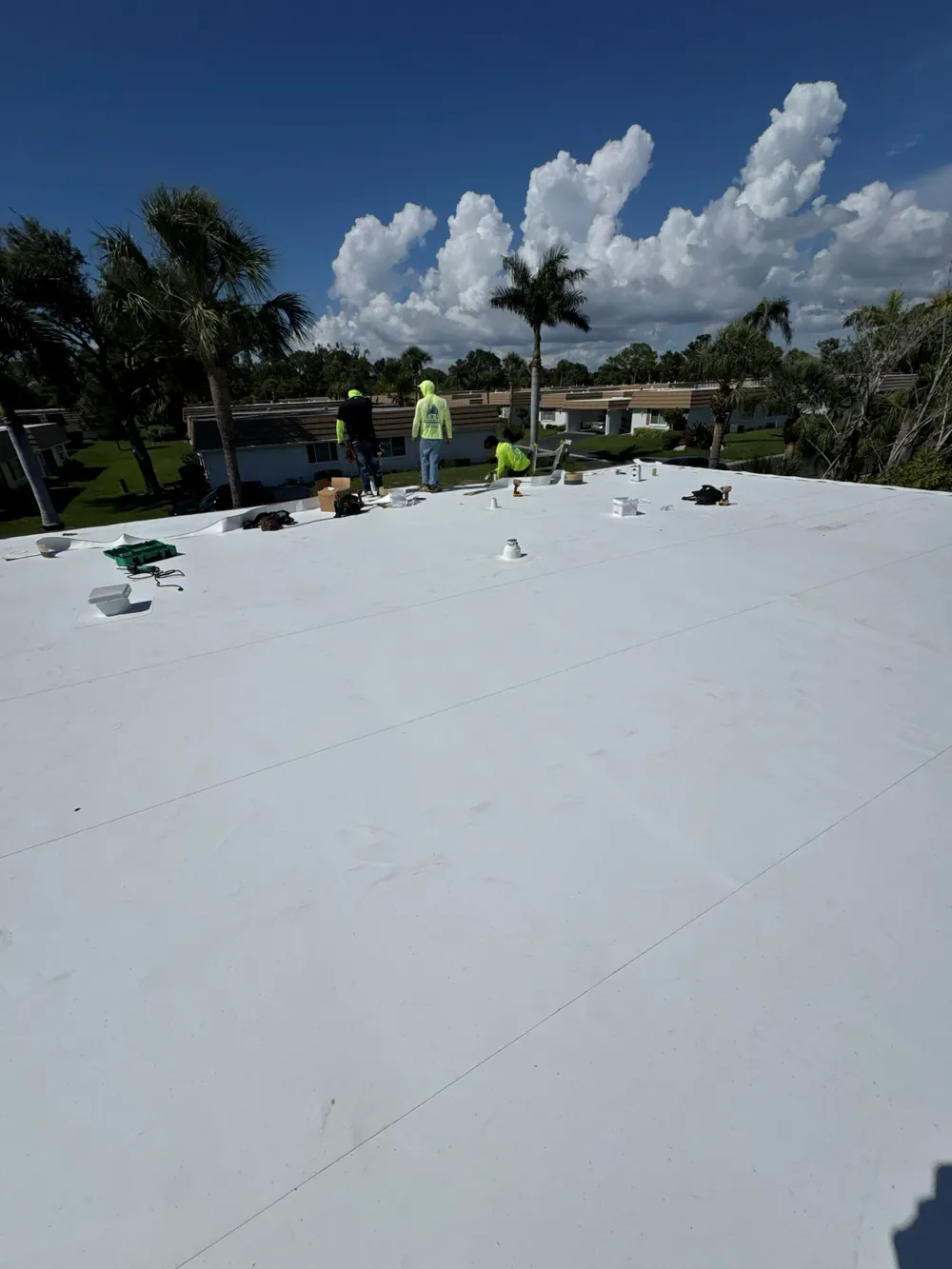
TPO Roofing
Compare TPO roof installation and repair in Hesperia, CA. We check seams, insulation, drainage and access before setting a repair or replacement scope.
Read More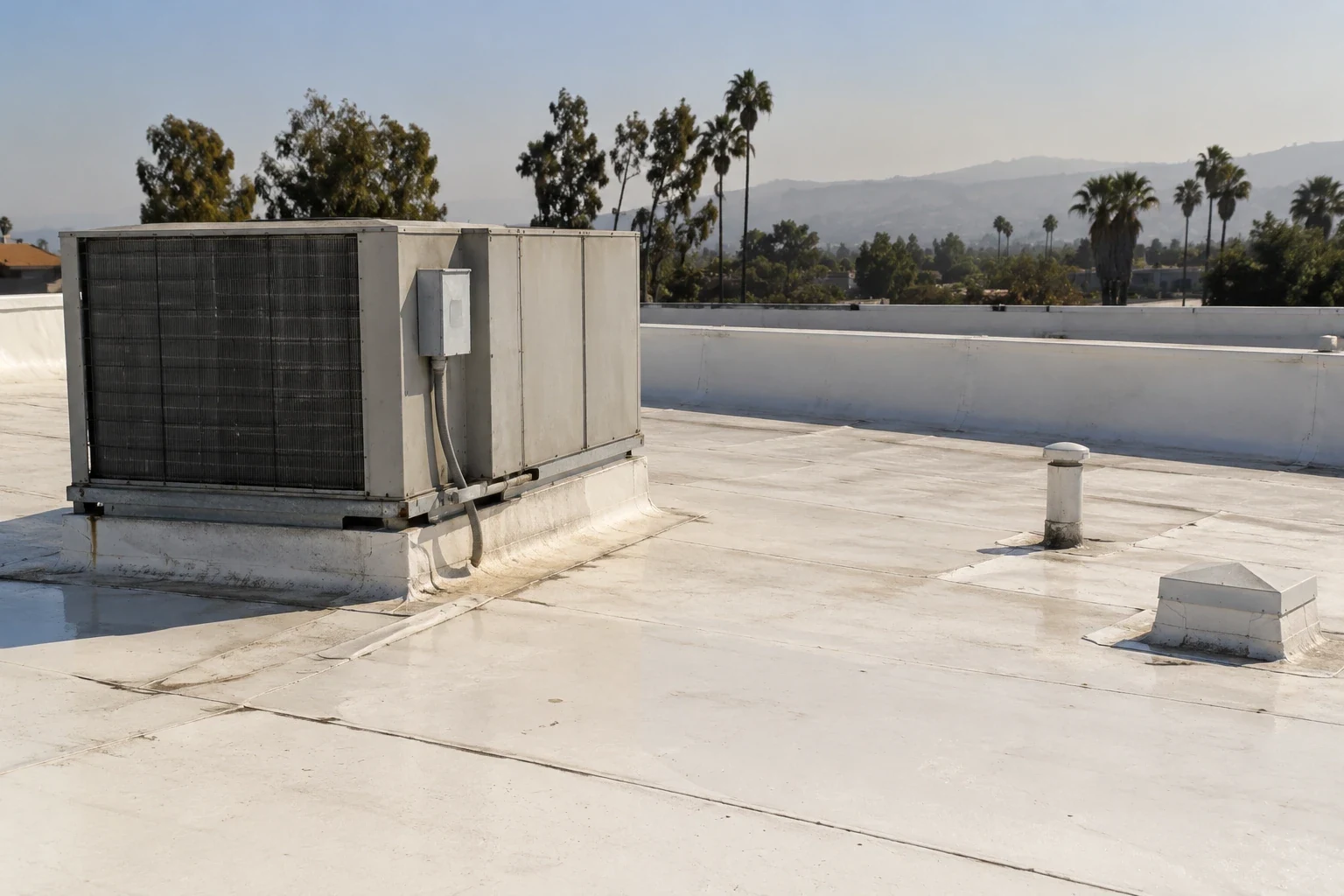
PVC Roofing
Review PVC roofing repairs and replacement in Hesperia, CA. We inspect seams, terminations, insulation and rooftop conditions before setting the work boundary.
Read More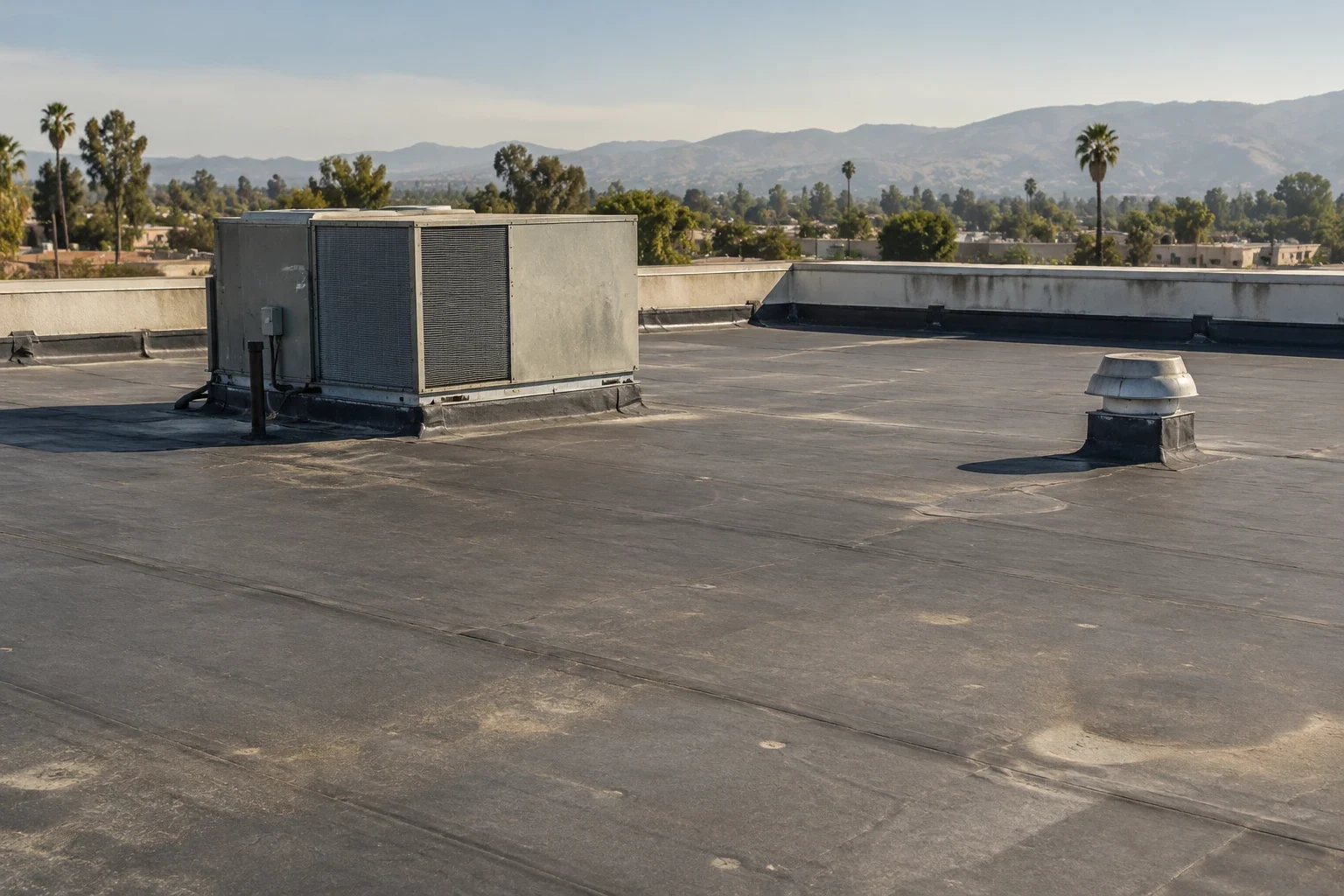
EPDM Roofing
Plan EPDM roof repair and replacement in Hesperia, CA. We check seams, adhesive, drainage, insulation and edge transitions before defining the work area.
Read More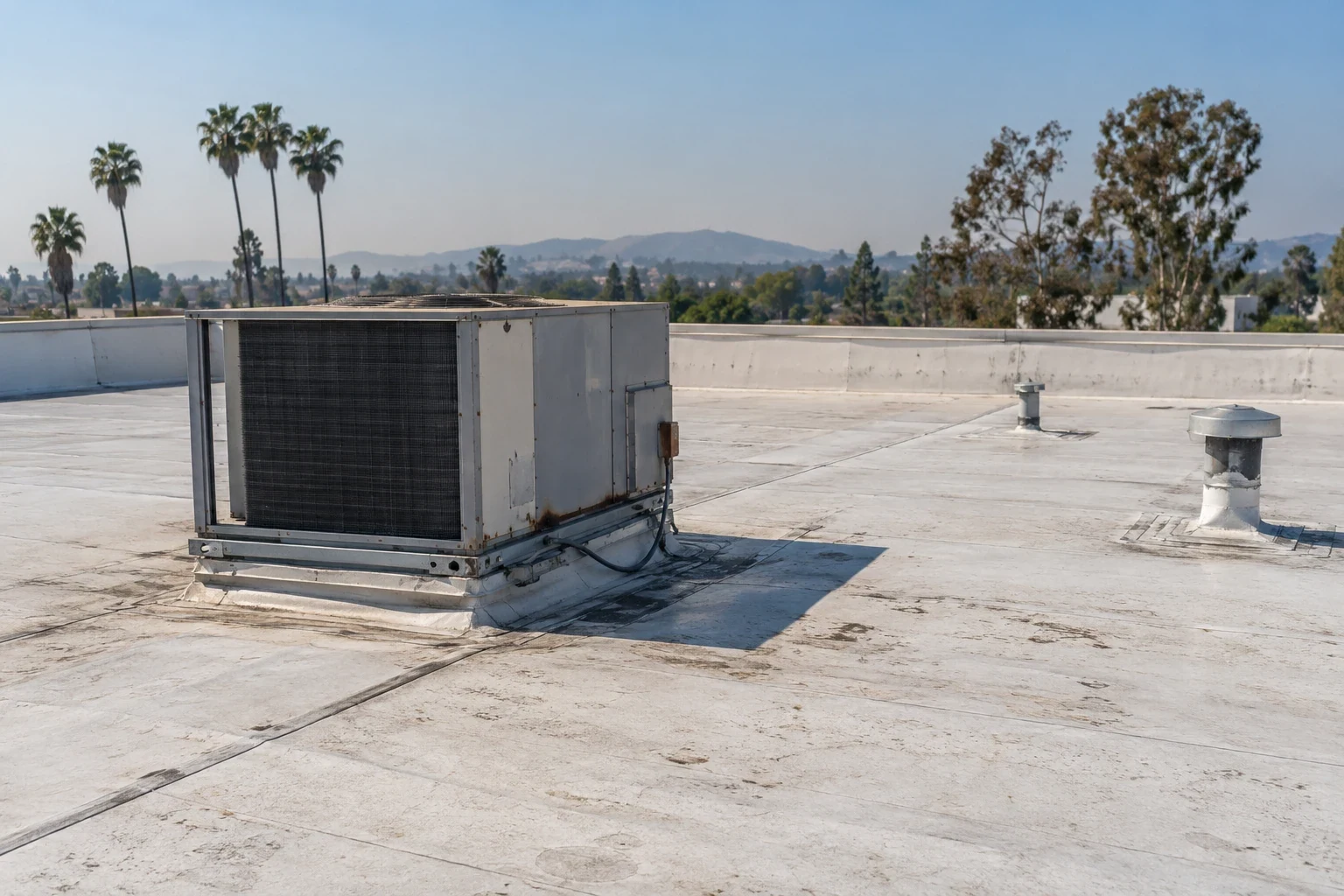
KEE Roofing
Evaluate KEE roofing repairs and replacement in Hesperia, CA. We identify the installed membrane, weld condition, drainage and attachment before setting scope.
Read More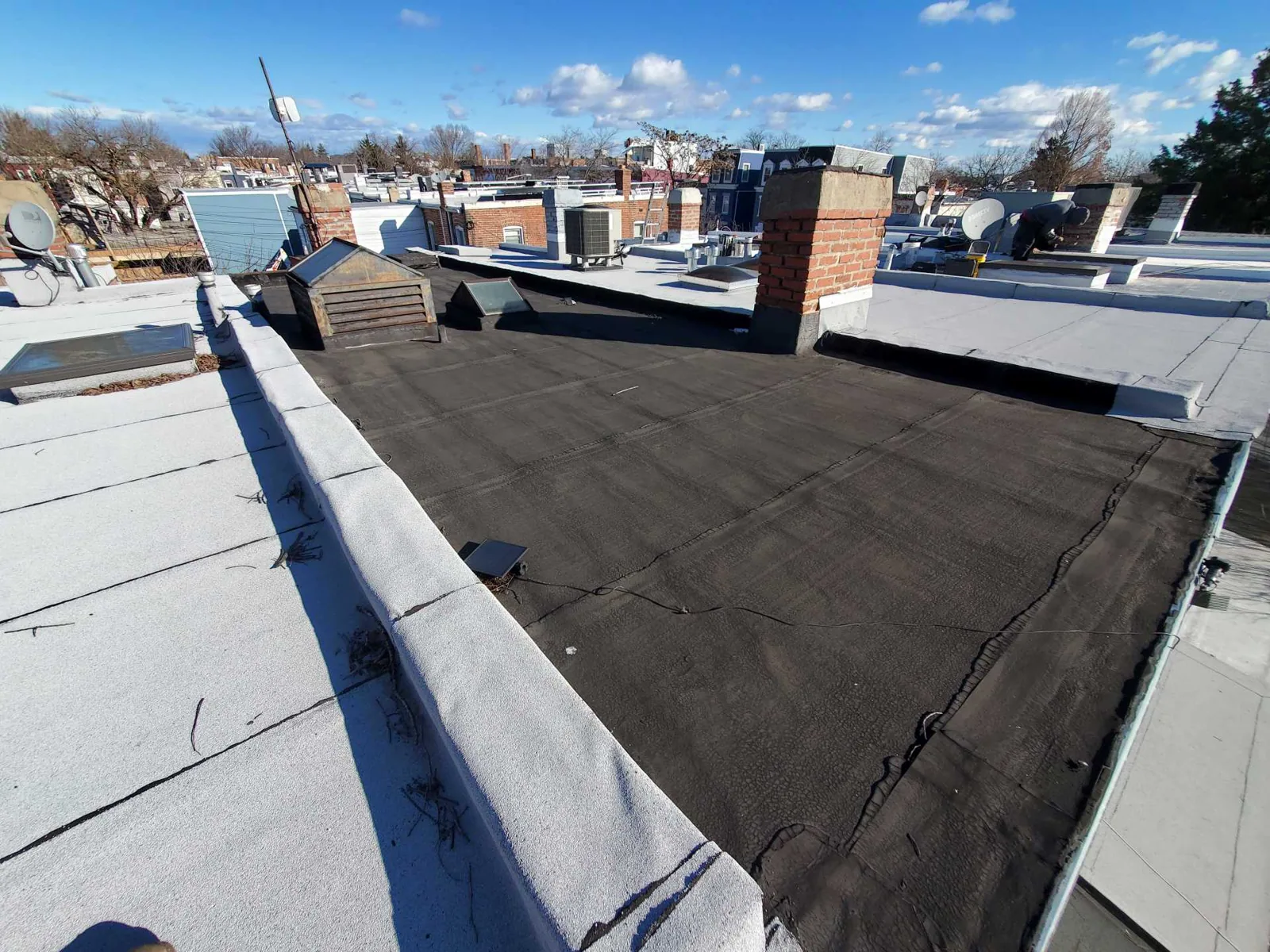
Modified Bitumen Roofing
Compare modified bitumen roof repairs and replacement in Hesperia, CA. We inspect laps, surfacing, base flashings, drainage and deck before setting scope.
Read More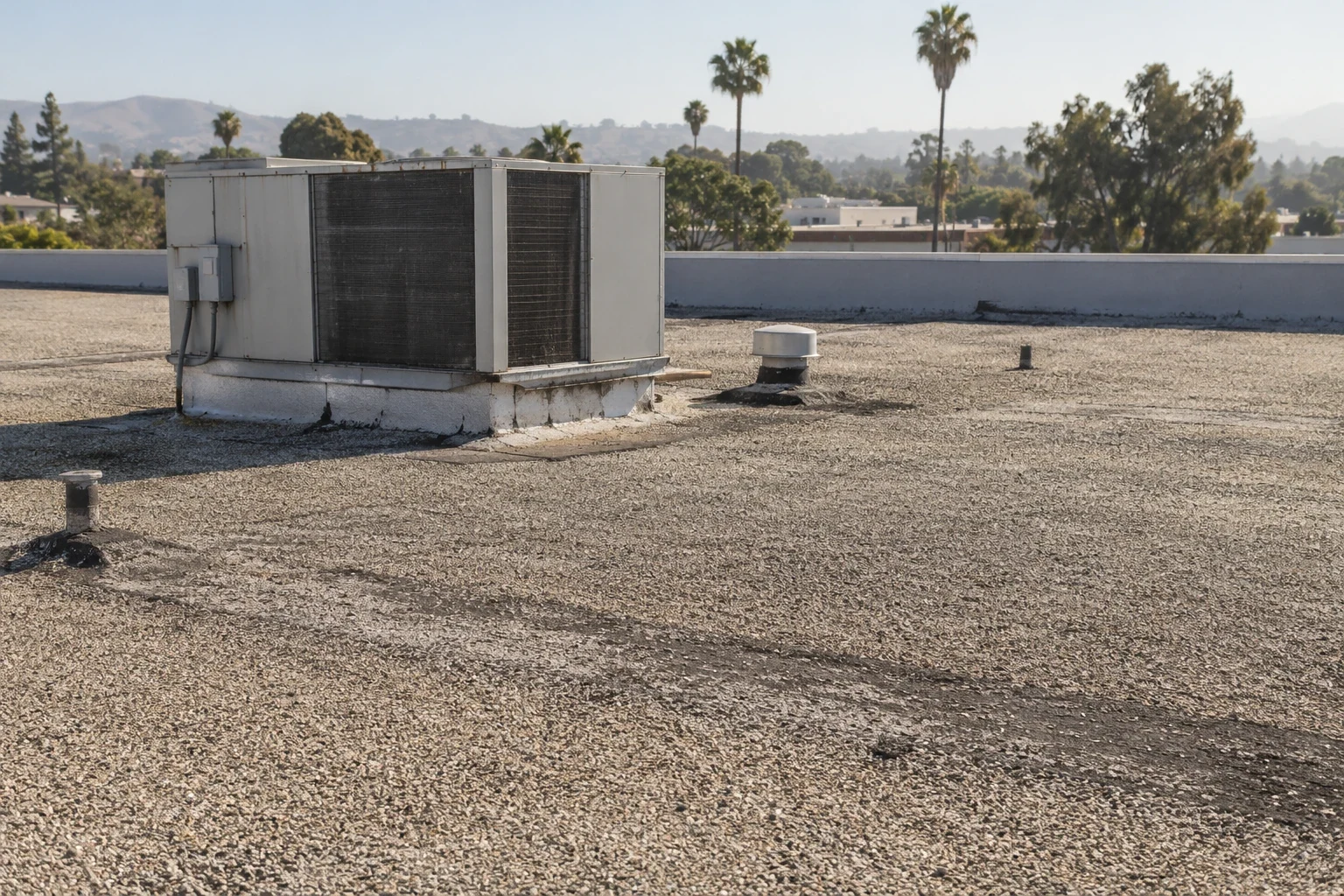
Built-Up Roofing
Assess built-up roofing repairs and replacement in Hesperia, CA. We inspect plies, surfacing, drainage and the deck before selecting a repair boundary.
Read More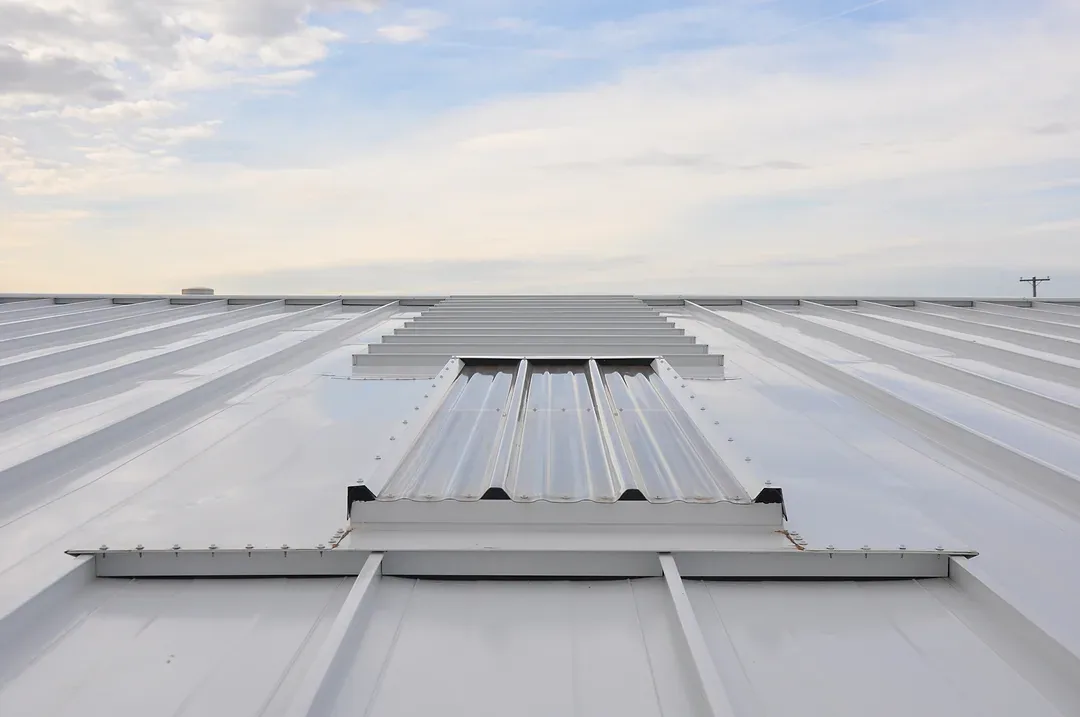
Standing Seam Metal Roofing
Assess standing seam metal roofing in Hesperia, CA. We inspect panels, clips, fasteners, transitions and drainage before deciding whether to repair or retrofit.
Read More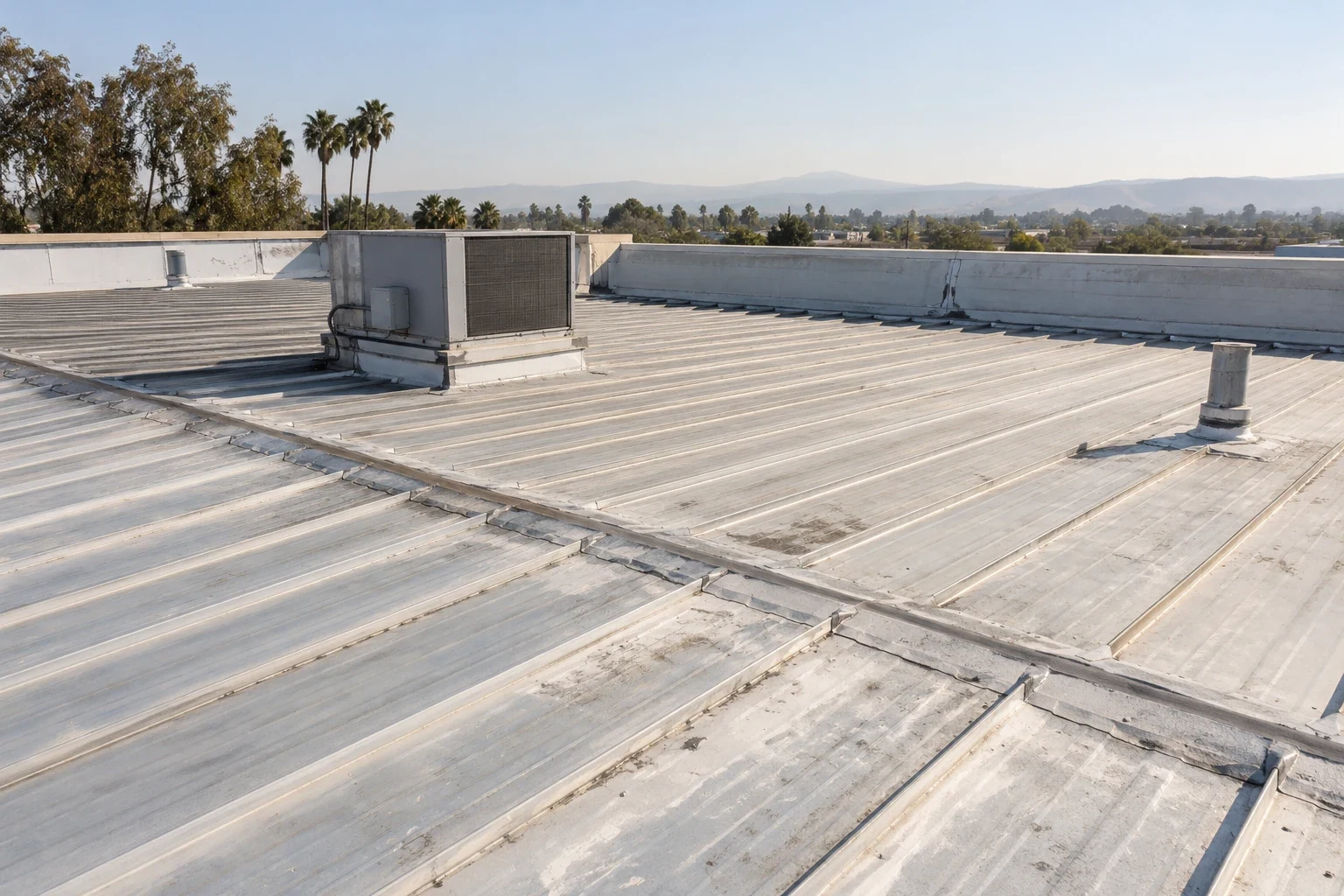
Metal Roof Retrofit
Review metal roof retrofit options in Hesperia, CA. We inspect panel attachment, deck capacity, drainage and perimeter details before proposing an overlay.
Read More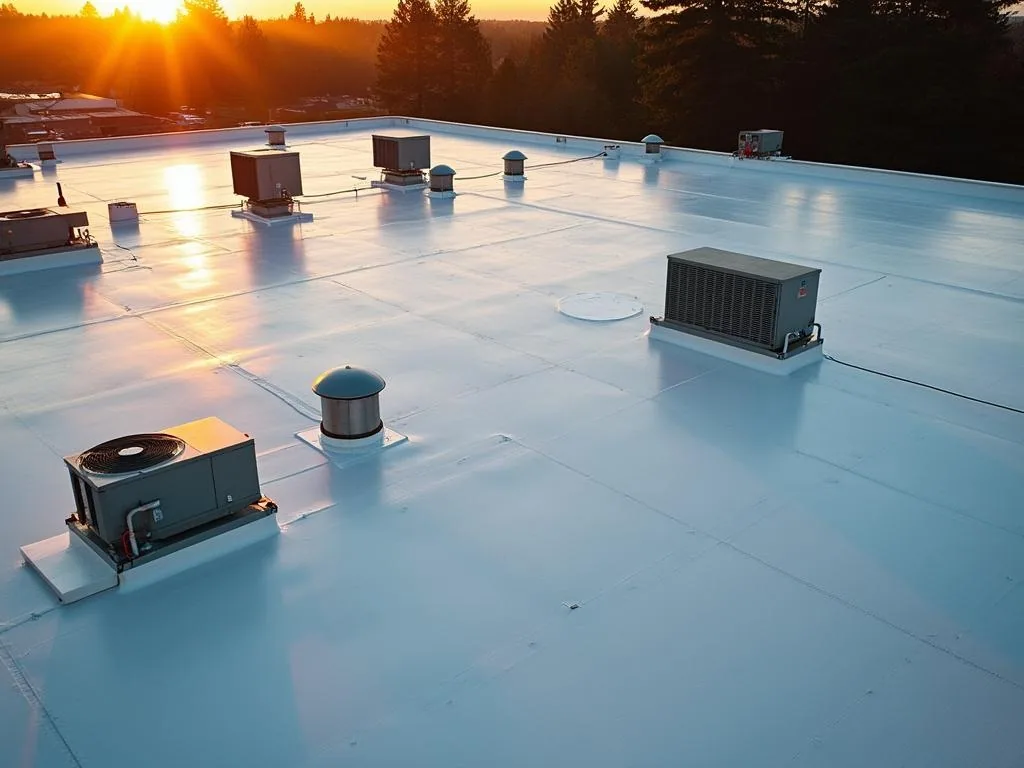
Spray Polyurethane Foam Roofing
Review spray polyurethane foam roofing in Hesperia, CA. We inspect foam adhesion, moisture, coating and drainage before planning repair or recoat work.
Read More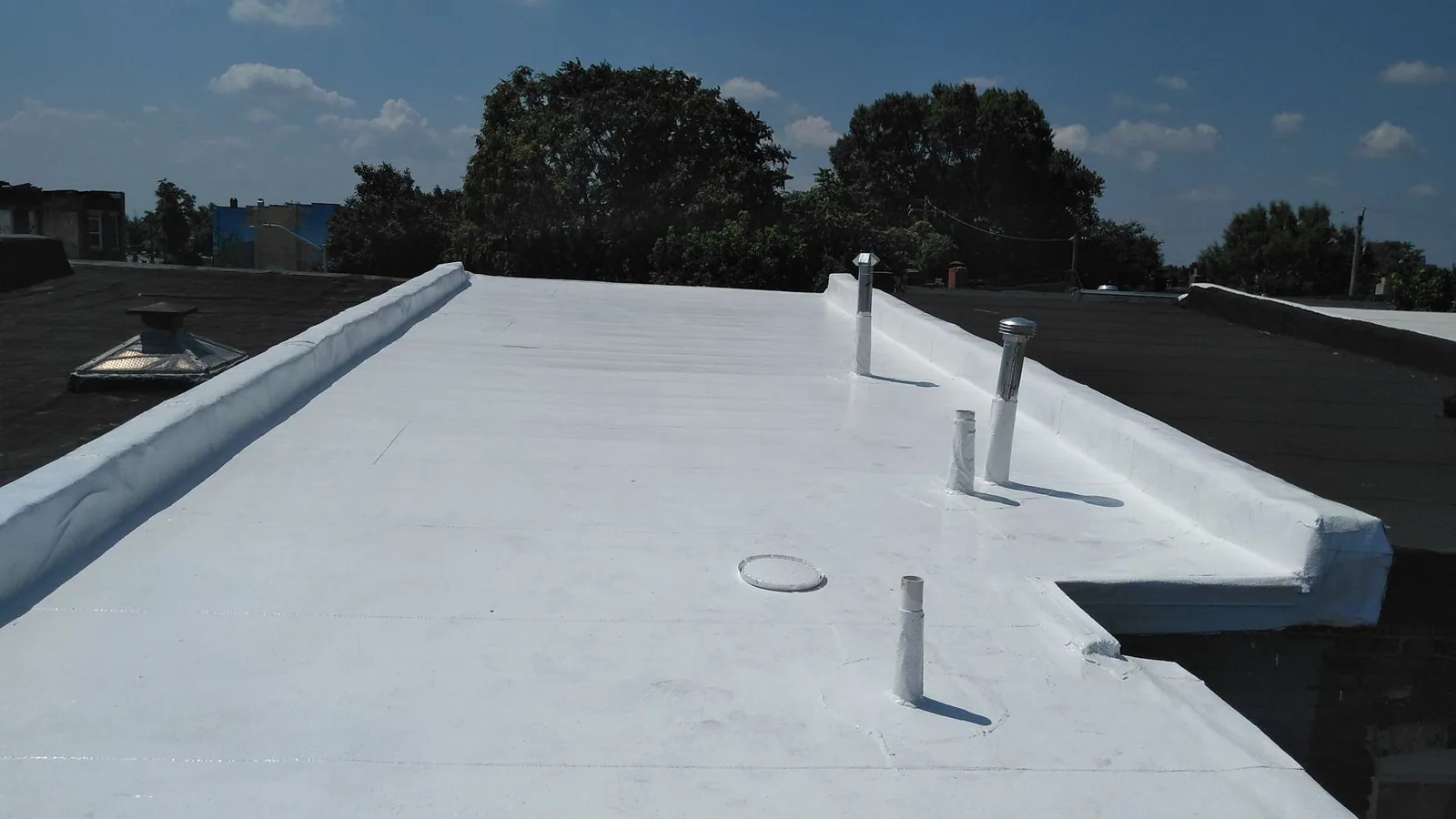
Silicone Roof Coatings
Compare silicone roof coating restoration in Hesperia, CA. We test the existing surface, repair details and drainage before defining a compatible application.
Read More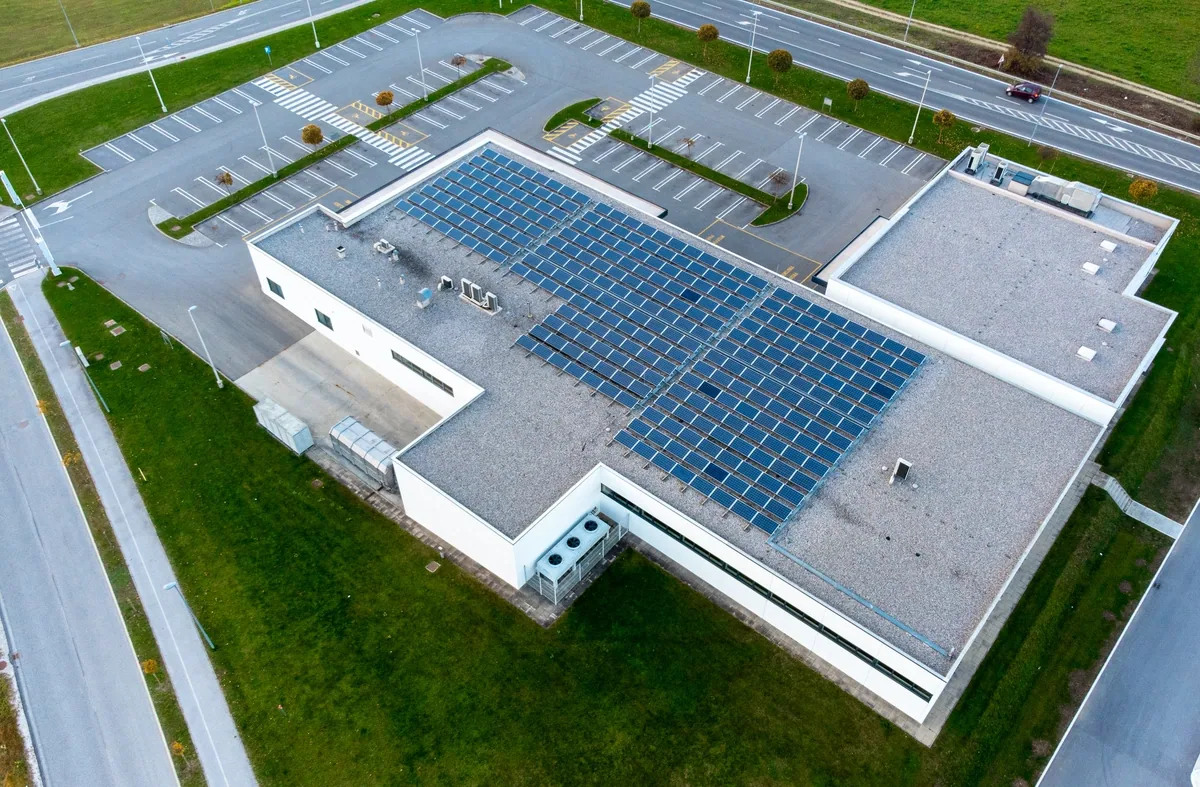
Acrylic Roof Coatings
Evaluate acrylic roof coating restoration in Hesperia, CA. We check slope, drainage, adhesion and existing repairs before selecting a compatible coating scope.
Read MoreIdentify the existing assembly
A sample or test opening can help distinguish isolated moisture from a widespread condition. Review seam status, attachment, cover board, edge metal, curbs, and drains alongside the owner’s access and maintenance records. A replacement assembly must account for the deck and perimeter as well as the field membrane. If layers cannot be confirmed, the scope should say so and identify what a test would change.
Compare viable roof systems
TPO, PVC, EPDM, modified bitumen, built-up roofing, coatings, and metal solve different roof conditions. Compare tie-ins, penetrations, drainage, expected maintenance, and compatibility with retained layers. A product label does not establish warranty eligibility or project fit; current manufacturer instructions and the property-specific assembly must be checked before pricing.
Carry assumptions into the scope
An owner should receive a short decision path: what was observed, what remains uncertain, which repair or renewal options are technically open, and what evidence could change the choice. That record keeps a bid from hiding unknowns inside an allowance. It also gives maintenance staff a reference for the next inspection and helps the project team compare details instead of relying on system names alone.
Confirm the material fit at the roof
A system comparison should carry through the small details that decide whether the field assembly remains intact. Review how the selected membrane terminates at parapets, roof edges, drains, equipment curbs, skylights, and expansion joints. Check whether the existing deck can accept the proposed attachment and whether insulation thickness changes the height of flashing. If a detail cannot be confirmed from drawings or field access, mark it for a test or manufacturer review before the owner compares price. A complete scope also states who will protect the opening overnight and how the area will be closed in if weather interrupts work.
Roof system comparisons
Compare system details before selecting a path. Substrate, drainage, attachment, tie-ins, and project conditions must be confirmed at the property.
- Tpo Roofing
- Pvc Roofing
- Epdm Roofing
- Modified Bitumen Roofing
- Built Up Roofing
- Metal Roof Retrofit
- Spray Polyurethane Foam Roofing
- Silicone Roof Coatings
Commercial Roofing Questions
How do I choose between TPO and PVC?
Compare the existing assembly, use conditions, detail requirements, exposure, and current manufacturer instructions.
Can a coating correct wet insulation?
A coating does not dry trapped insulation. Establish moisture extent and the repair boundary first.
When can a roof recover work?
Only after the existing roof is dry and compatible with the proposed layers and tie-in details.
What records help with a system review?
Plans, prior repair scopes, warranty documents, leak logs, and access restrictions help define what can be verified.
What should a scope say about unknown layers?
Name the assumption, identify the test or record needed, and explain which decision could change.