Acrylic Roof Coatings in Hesperia, CA
An acrylic coating is a maintenance layer, not a cure for every roof condition. Before considering it, inspect the existing membrane or coating, verify adhesion with a test patch, trace drainage, and identify any wet insulation or failed flashing that needs separate work. Hesperia's December precipitation normal is 1.23 inches at 2 E; it does not forecast rain during an application. Plan around current substrate moisture, temperature, and the product's required dry period. If water remains in a low area or the surface cannot hold a test area, compare a different repair or replacement scope before coating begins.
Check Slope and Drainage First
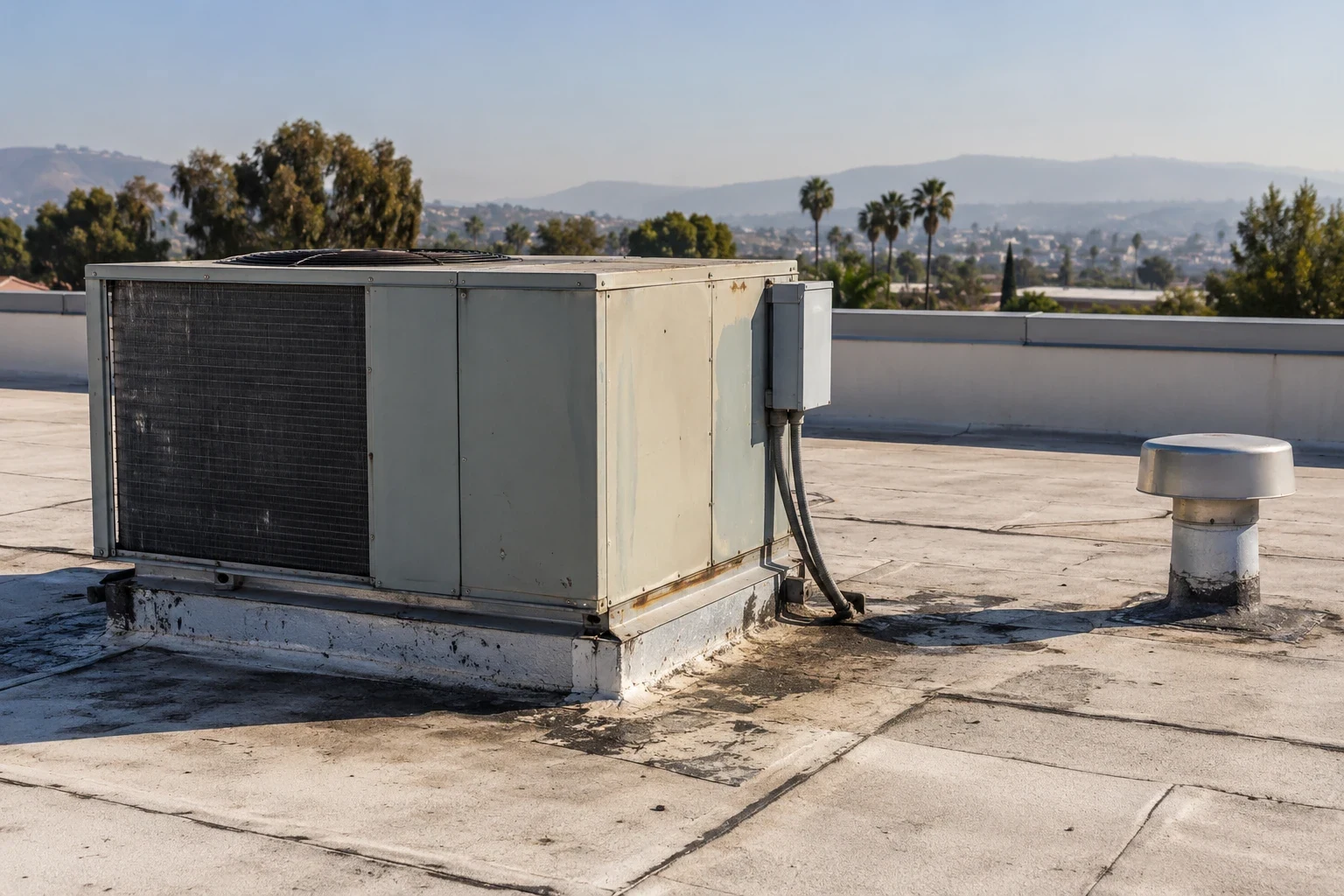
Acrylic systems are not a substitute for correcting standing water. We inspect drains, scuppers, low areas and discharge paths, then distinguish a blocked outlet from deflection or a roof section that does not drain. Ponding can extend cure time and stress coating transitions. Look for cracks, pinholes, surface chalking, blistering, exposed reinforcement and earlier patch materials that may not bond with a new layer. At curbs and walls, verify that flashing remains stable and that the coating can terminate above the water path. Record the area that is dry, the area that needs preparation and any location where water remains after drainage time.
Plan Around Cool Periods
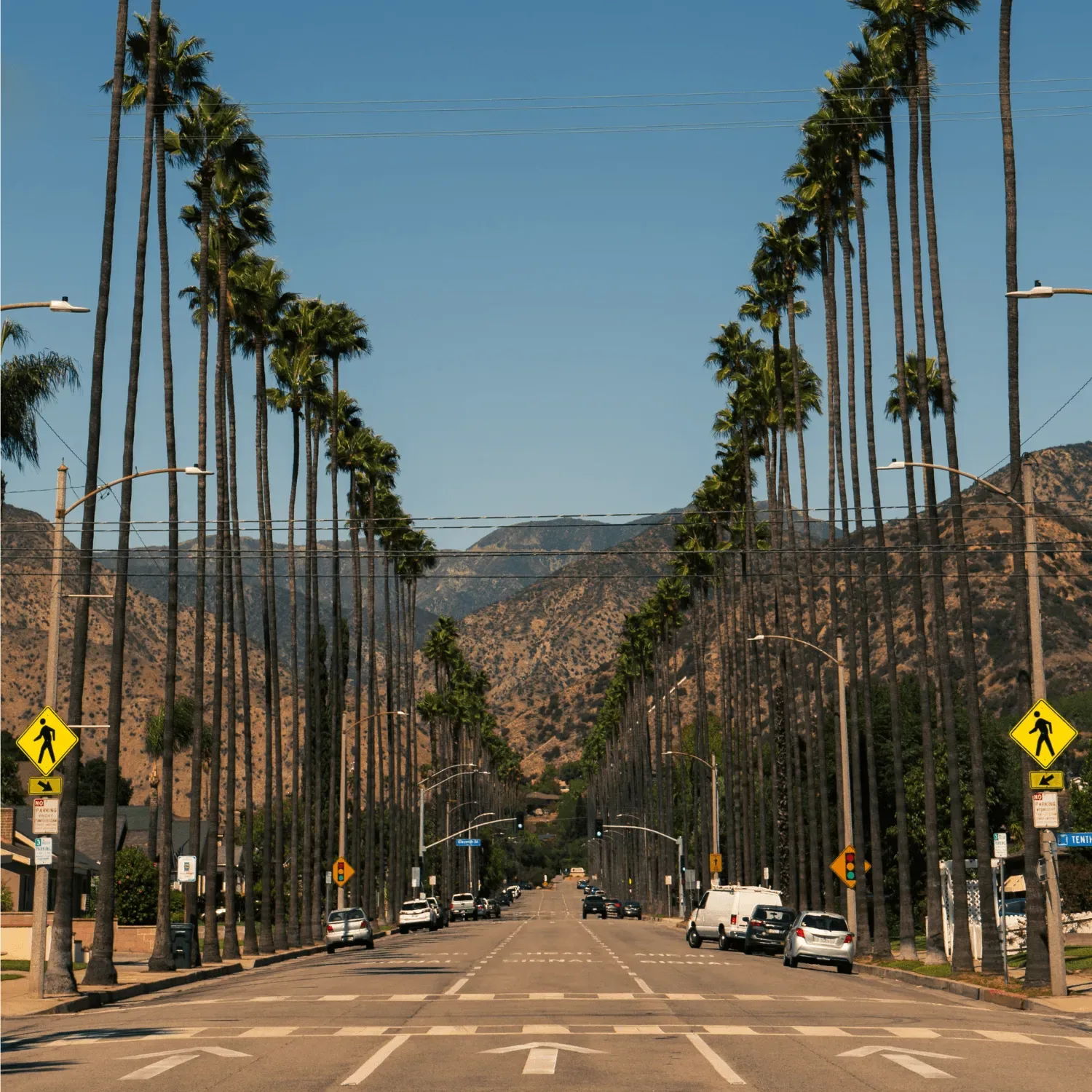
At a coating project, confirm ambient and substrate conditions, the forecast window, and the time needed for each layer to dry. The Hesperia 2 E December normal daily minimum is 35.2°F, with 1.23 inches of normal precipitation; these values frame seasonal planning but do not show the conditions on a roof. Hesperia's Main Street corridor has planned circulation and public-space improvements. A Main Street-West roof review provides broad location context, while the property contact defines actual access and pedestrian protection. Test the existing surface, repair open details, and keep foot traffic off each section until the coating reaches its required cure.
Wait for the surface to meet product limits.
Separate Surface Wear From a Leak
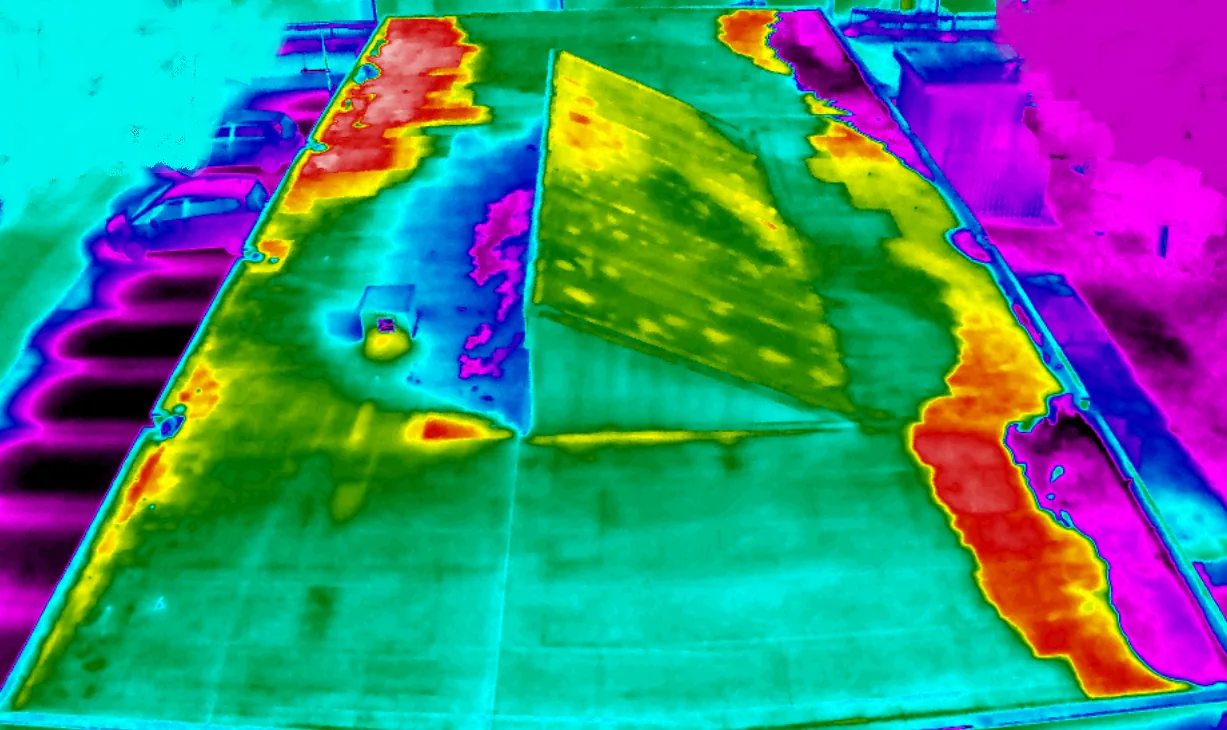
Discolored coating may reflect age, dirt or an active path through a seam. We trace water from the interior report to the roof, checking laps, penetrations, drains and prior repairs before choosing a test. If moisture reached insulation, the affected layer may need to be opened and replaced before coating. If the membrane is dry and stable, a localized repair and recoat may be a fit. A roof condition inspection can map visible defects; a moisture survey may help direct a selective opening. Use the test result to set a boundary. Do not cover an active failure and expect a reflective topcoat to change the water route.
Compare Acrylic and Silicone
Acrylic is a water-based coating that can suit a roof with effective drainage and a compatible surface. It may need renewal as exposure and wear change the film. Silicone may be considered where ponding exposure is part of the comparison, but neither product corrects a failed deck, wet insulation or poor outlet. We evaluate the roof geometry, existing coating, foot traffic, application window and maintenance access. Compare silicone coating with spray foam restoration only after testing the substrate. A membrane such as TPO may be a stronger path when the current assembly cannot accept coating. Put the drainage correction and detail repairs in the comparison, not just product coverage.
Prepare Each Section
Clean the roof, protect drains and equipment, repair seams and flashing, then test adhesion on a representative prepared area. The coating plan should show primer, reinforcement, application thickness, passes and cure conditions. Work in sections sized to finish before the work window changes. Leave no exposed transition where rain could enter, and do not apply over damp material or a failed test. Hesperia's freight network connects the High Desert with the Inland Empire via I-15, U. S. 395 and Cajon Pass. Those routes frame regional logistics, but the operator confirms the actual receiving gate, roof hatch and staging area. A phased work sequence can coordinate access below. Check the completed area for pinholes, missed edges, blocked outlets and repair boundaries.
Price the Prep and Repairs
Coating price reflects cleaning, test patches, surface repair, primer, reinforcement, product quantity, access and protection. Drainage work may be a separate item if a low area or blocked outlet needs correction. We measure each roof section and identify exclusions so the owner knows which surfaces are ready and which still need a different solution. Application can be delayed by substrate moisture or product conditions, so schedule assumptions belong in the proposal. A replacement comparison can clarify whether the existing layers merit restoration. Keep repair costs distinct from field coating quantities, and state what would change if a test opening finds wet insulation. A maintenance review can help plan future checks after work is complete. Note areas with standing water separately from the surfaces approved for application.
Before coating, choose a test area that represents the existing surface and the preparation the crew will use. Clean it, complete repairs, apply primer if specified and allow the film to dry for the required interval. Check adhesion and inspect the edge for lifting. If the test fails, determine whether the issue comes from contamination, old coating, moisture or a surface that cannot accept the new material. Do not use a successful test in one roof zone to assume every other section is ready. Different additions may have different membranes or previous treatments. Mark each test on the plan and tie the application quantities to the areas that passed. This gives the owner a basis to proceed in phases or select a different roof system where the existing assembly does not fit. Note areas with standing water separately from the surfaces approved for application.
Track the Coating Cycle
Closeout should show the coating type, preparation, repairs, application zones, test areas, and any section left untreated. Record the actual date and weather conditions rather than assuming a normal describes the job. Save photographs of the drain path, terminations and representative surface areas. A later review should compare adhesion at the same test locations, note any new seam or penetration, and distinguish coating wear from a membrane split. Record the observation by roof zone so a future price does not assume every section has aged the same way. A later maintenance visit can compare the same locations and note cracking, wear, ponding or new penetrations before deciding whether another coat is appropriate.
Commercial Roofing Questions
Is acrylic suitable for a roof with ponding water?
Acrylic generally needs effective drainage. We locate the low area, check the outlet and determine whether slope or deflection needs correction before coating.
What conditions make an acrylic recoat suitable for a commercial roof?
Only if the existing layer is compatible, clean and firmly attached. We test a prepared area and repair defects before estimating broad application.
What happens if rain interrupts application?
The work plan must follow product dry and recoat instructions. We size each section so exposed edges can be closed, and record where an interruption changes the sequence.
Does a reflective coating lower building energy use?
A reflective surface changes solar absorption, but savings depend on insulation, HVAC, operating schedule and other building conditions. We compare any energy estimate with the building’s insulation, HVAC, and operating conditions before including it in a project analysis.
When should we price replacement instead?
Wet insulation, loose membrane, recurring leaks or a weak substrate can make a coating unsuitable. We document those conditions and compare a defined replacement scope.