Silicone Roof Coatings in Hesperia, CA
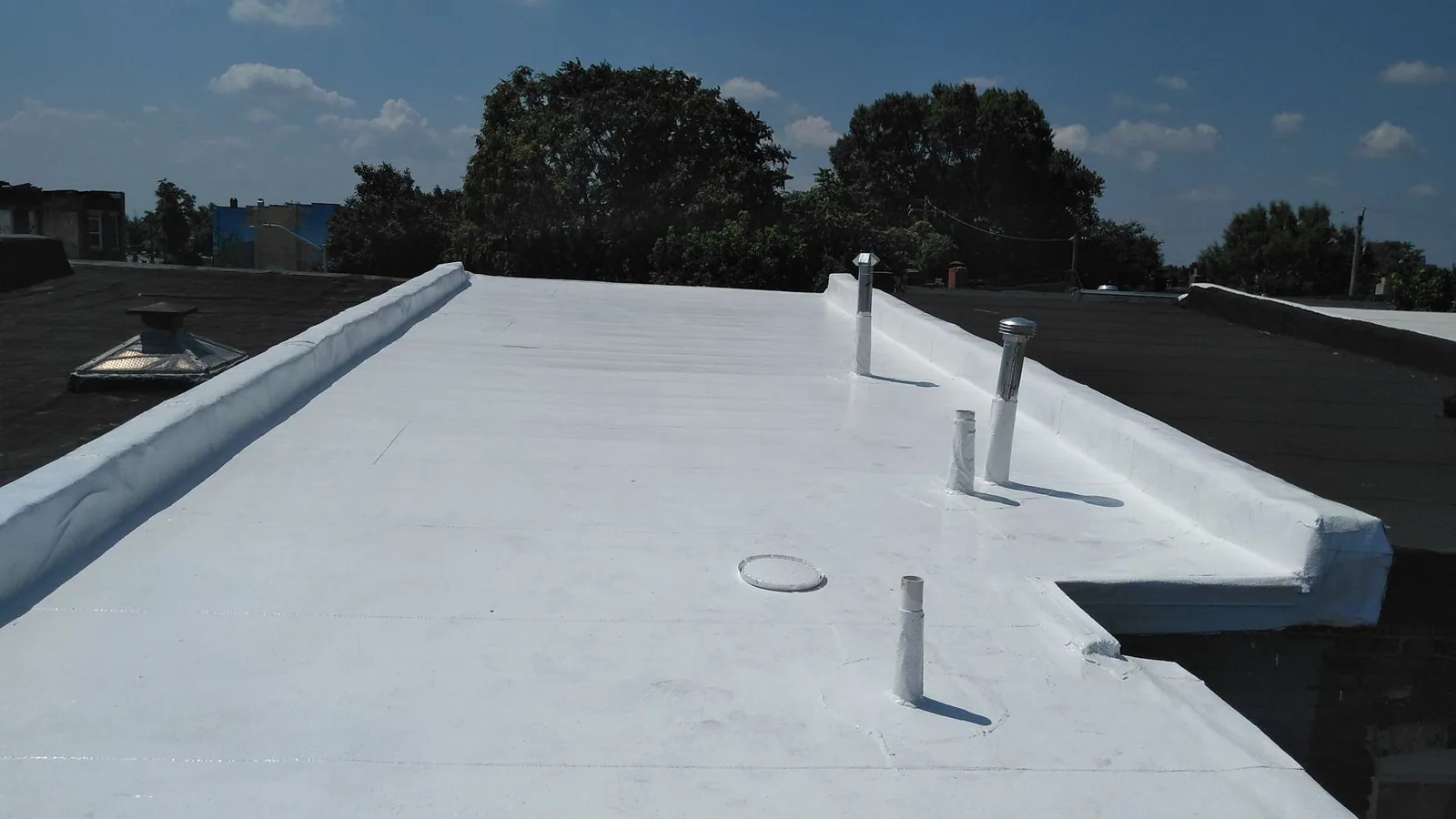
A silicone coating is a restoration layer, not a shortcut past roof testing. In Hesperia, CA, we inspect the existing membrane, seams, penetrations, ponding areas and insulation before deciding whether a coating can be applied. The silicone manufacturer's published limits and the surface condition govern a test area; never substitute a regional weather normal for job-day readings. We identify coating compatibility, clean the surface, and mark any leak or wet area that needs repair first. If the assembly is sound, a coating may extend protection over prepared areas. If insulation is saturated or the membrane is loose, address that condition before closing it under another layer.
Test the Existing Surface
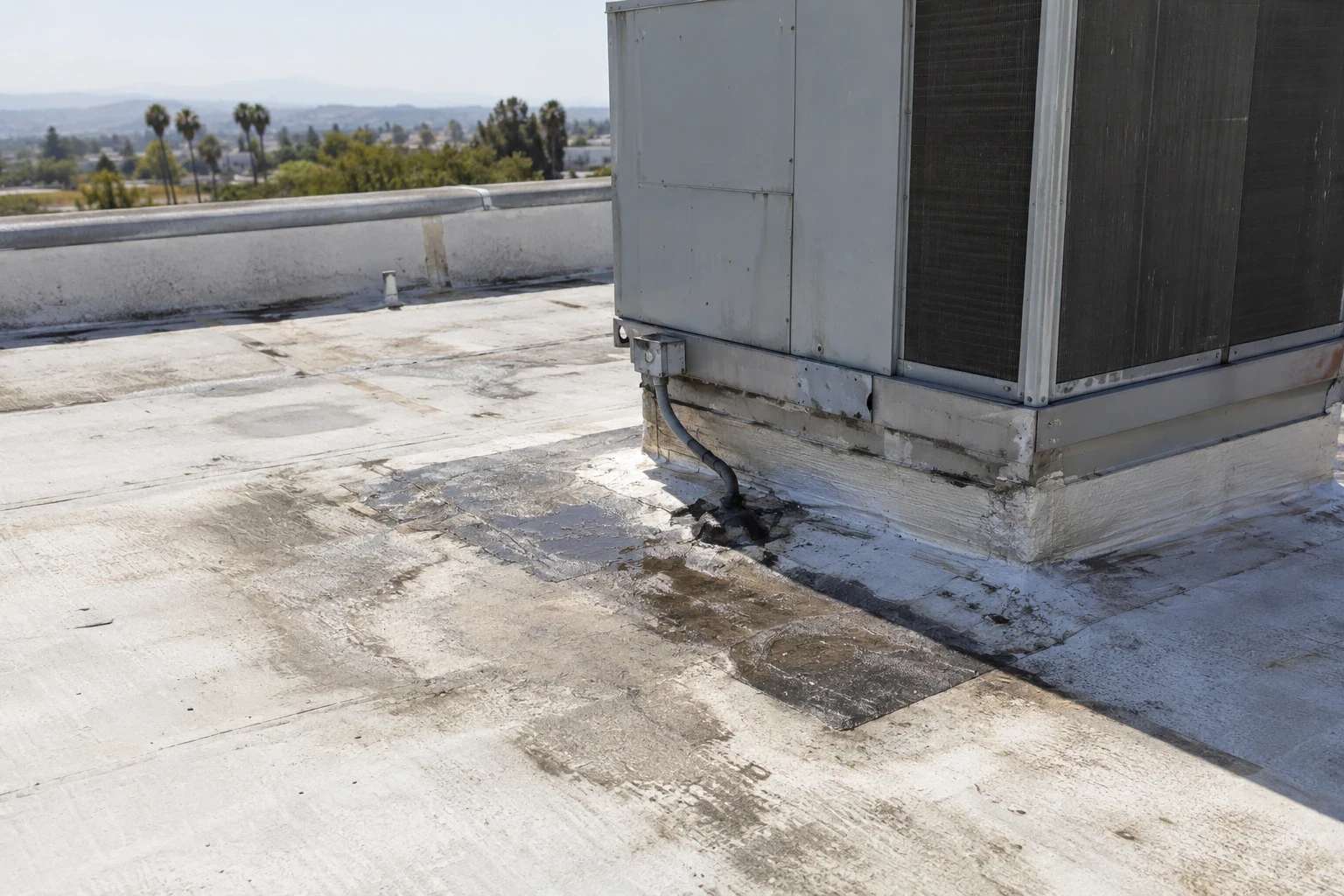
Coating adhesion depends on the membrane, prior coating, dirt, oils, moisture and surface preparation. We identify the existing material and check for loose areas, blisters, open seams, exposed reinforcement and residue that may keep a new layer from bonding. A test patch should include the cleaning and primer steps planned for the job. Inspect around drains, equipment, curbs and walls because those details may need separate flashing work. Silicone may tolerate standing water better than some coating types, but ponding can still indicate blocked outlets, deflection or poor slope. Measure the low area and check the drainage path instead of using a coating to hide the cause.
Set the Work Window
The Hesperia City Center District plan describes civic and mixed-use activity with pedestrian-oriented retail. The Hesperia Neighborhood District includes residential areas, parks and open space, and neighborhood commercial activity. That broad description does not establish roof access, but it is a reason to confirm where people move below an application area and how the operator wants those paths protected. Actual substrate, air, dew and product conditions still control the coating work window. A district service review provides geography only.
On an occupied property, confirm how air intakes, pedestrian paths and parked vehicles will be protected during surface preparation and application. The site contact should approve the perimeter and any temporary shutdown before coating begins.
For either setting, the operator must identify occupied paths below the work zone and approve any temporary protection before cleaning or spraying begins. A coating plan should show where access stays open and where the crew will stop each day.
Repair Before Coating
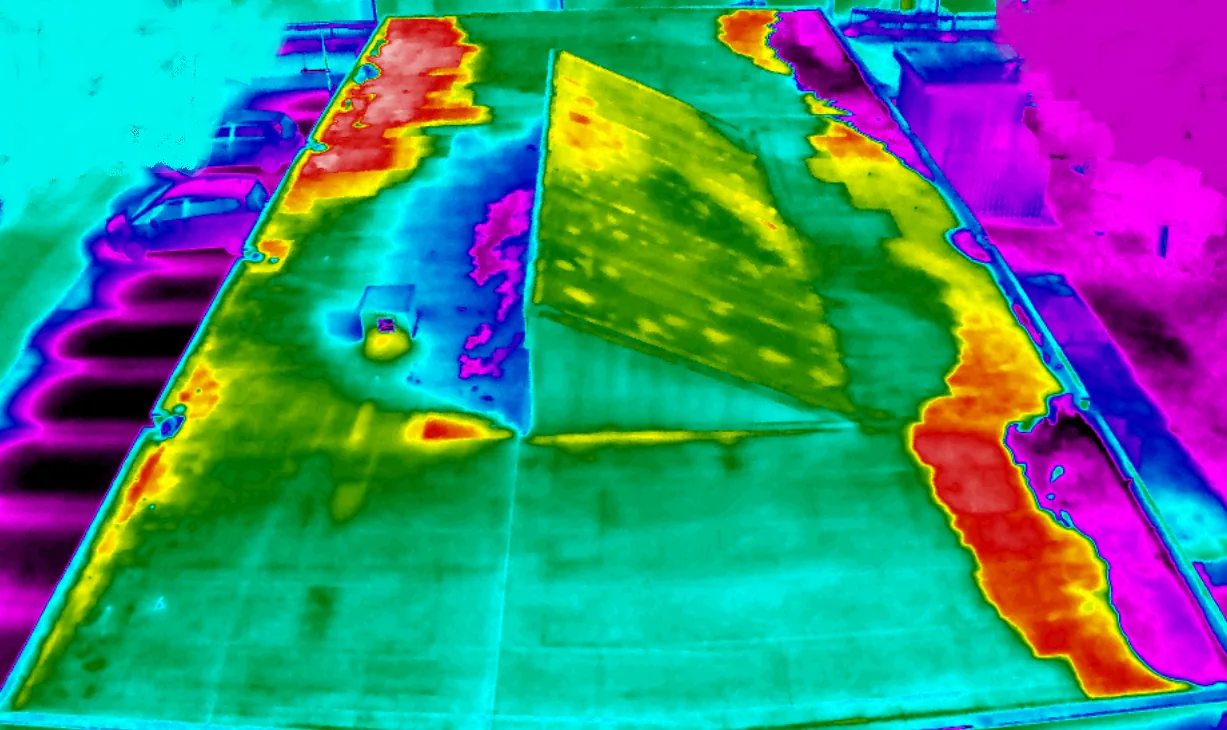
Do not coat over an active leak without tracing it. We inspect seams, penetrations, edge metal, drains and any prior patch, then test moisture where the result changes the scope. A scan can point to suspect areas; a selective opening can confirm whether insulation or deck is wet. Repair the underlying condition, dry or replace affected layers, and prepare each transition before coating the field. A leak investigation can map water entry, and moisture testing can help choose test points. Keep a repair boundary separate from the coating area. If the defect extends under multiple sections or the surface will not hold a test patch, price another restoration or replacement path.
Compare Coating Types
Silicone and acrylic coatings have different strengths and limits. Silicone can be considered where ponding exposure is part of the review, but it still requires sound substrate, prepared surface and properly detailed transitions. Acrylic coatings generally rely more heavily on drainage and can be less suitable where water remains. We check the roof geometry, expected access, existing coating and the manufacturer's system requirements before comparing. A acrylic option may fit a roof with effective drainage, while a foam assembly has its own coating and repair needs. A membrane replacement may be more appropriate when the retained layers cannot be restored. The owner should see the tradeoffs before choosing a coating.
Prepare Details Before the Field
Work begins with cleaning and preparation, not broad application. We protect drains, equipment, air intakes and walk paths; repair open seams and flashing; then check adhesion on the prepared surface. The selected system determines primer, reinforcement, coat thickness and cure conditions. Apply in planned sections and keep the tie-in protected if work pauses. Do not close over damp substrate or a test that failed. Check the approved preparation area for clean surface, dry substrate and a sound transition. Keep a repair boundary visible until the test confirms that the selected coating can bond as specified. A work phasing plan can limit disruption below. Make the finished pass meet the edge, curb and drain details; a wide field coat cannot replace a sound termination.
Price the Preparation
A coating estimate depends on cleaning, test patches, repairs, primer, reinforcement, application thickness, access and protection of areas below. We measure the roof and list locations excluded or requiring separate correction. If hidden moisture is found, stop before coating that section and confirm the next scope with the owner. If a test fails, separate the failed area from sections that passed and identify the correction required. Price that preparation before broad application so the owner can compare a repaired substrate with a coating over a ready surface. Compare a coating with a replacement scope when the membrane, insulation or deck is failing. A condition review can define the starting area before a price is built. Note the roof section, test location and repair that made the area ready for application. Keep before-and-after photographs in the property's roof file. Label each image by roof zone and date.
Before approving a broad application, review the test area and the repair map together. The coating should meet a clean, stable surface at each curb, drain, wall and penetration, with reinforcement where the selected system requires it. Mark any area where adhesion failed or where water remains after the drainage path was cleared. Those locations may need a different repair, an opening to check insulation, or a separate replacement price. We document the difference so the owner can decide whether to proceed on the sound portions, correct the exceptions first, or reconsider the entire assembly. That sequence keeps preparation and coating quantities tied to field observations rather than treating every square foot as ready for the same work. Note the roof section, test location and repair that made the area ready for application. Keep before-and-after photographs in the property's roof file. Label each image by roof zone and date.
Record the Coated Area
Closeout should state the existing roof material, preparation, primer if used, repaired details, application zones and locations that were not coated. Note the condition of drains and any ponding area that remains. Keep photos of the test patch and representative finished sections with a roof map. The building owner can then distinguish a surface restoration from a membrane replacement in the maintenance record. The closeout should name the coating product where confirmed, show the treated zones, and distinguish them from repairs that remain under observation. Keep the test result with the roof sketch so the next visit can compare the same locations. A maintenance visit can track adhesion, wear and drainage after the application. Mark each observation by roof zone and date.
Commercial Roofing Questions
Can silicone coating go over any roof?
No. Identify the existing membrane and coating, test adhesion and repair active defects first. The substrate and product system must be compatible with the planned application.
Does silicone solve ponding water?
It may tolerate ponding better than some coatings, but it does not correct a blocked drain, low slope or deflected deck. We check drainage separately.
Can silicone cover wet insulation?
No. Map and verify moisture, then remove or correct affected layers before coating. A new surface cannot dry material trapped underneath.
When is acrylic a better option?
Acrylic may fit a prepared roof with effective drainage and compatible substrate. Compare application conditions, ponding exposure, access and maintenance before deciding.
How is coating thickness checked?
We follow the selected system specification and verify representative application areas. Record the test locations, condition and any areas that required additional preparation.