Commercial Roofing for School Districts in Hesperia, CA
A school roof project has a fixed access boundary: the district has to know which area is open, who enters, and how the work zone stays separate from students and staff. In Hesperia, civic uses sit among industrial, residential, and commercial areas near Main Street and the freeway. A district campus still needs its own access and roof review. We verify each address, schedule, and assembly. August’s 97.0°F normal daily high near Hesperia puts exposed school roof seams and perimeter metal on the inspection list.
Use the Calendar to Set Phases
The district’s calendar helps identify when a roof section can be released, but the building sets the first schedule boundary. We ask which entrances, classrooms, offices, and service areas sit below the work. Then we plan roof access, lift placement, material staging, debris routes, and temporary protection. If a phase overlaps an occupied day, the owner needs a boundary that can be checked from both the roof and the ground.
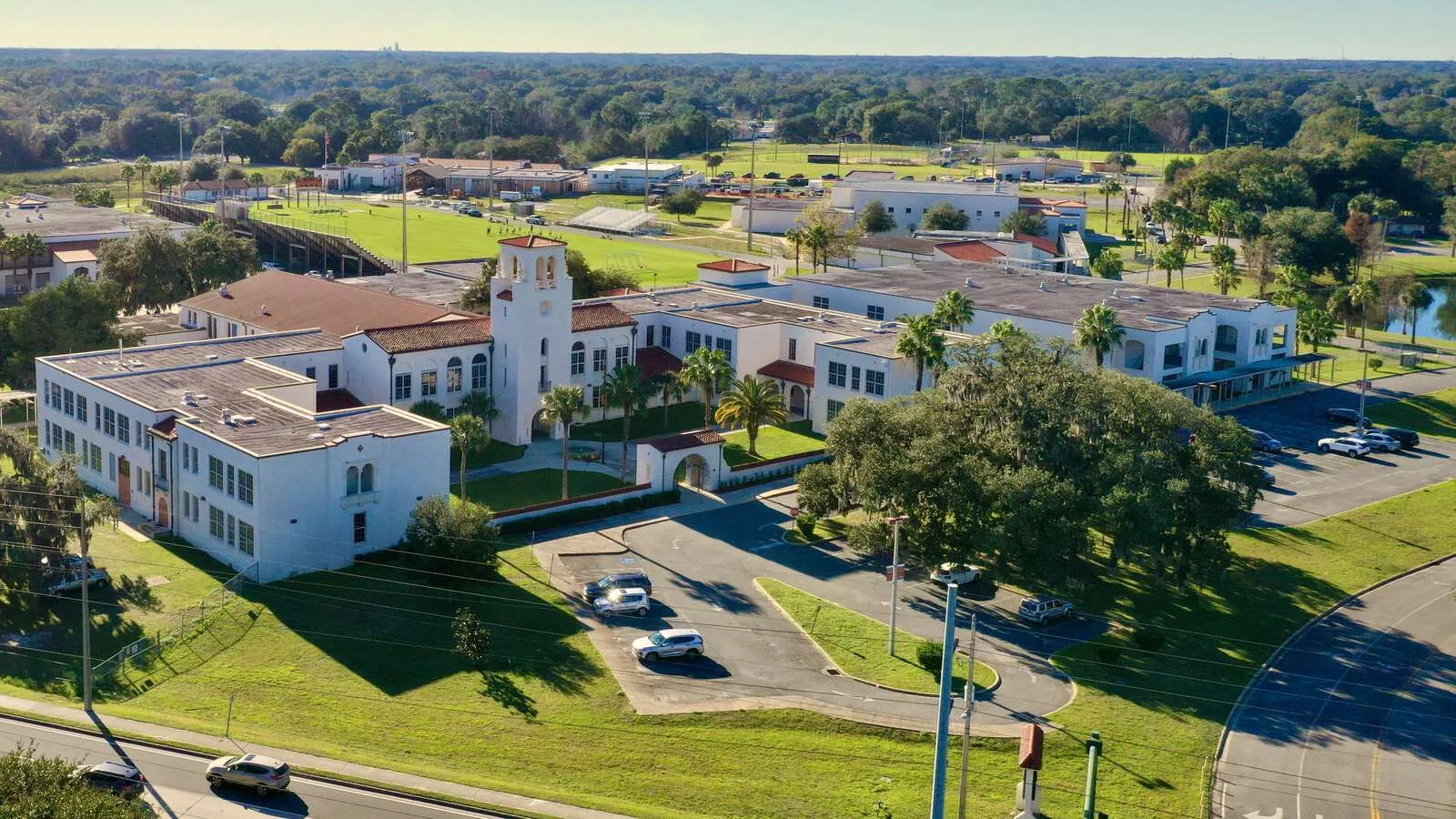
Civic uses sit along Hesperia’s Main Street and freeway corridor; campus maps and district access rules control school work. That broad setting does not establish a school’s roof type or operating hours. The district gives us the site plan and facility contact. A commercial roof inspection records the assembly, drains, and test areas; occupied-building reroofing sets the work sequence where rooms remain in use.
Control Roof Access
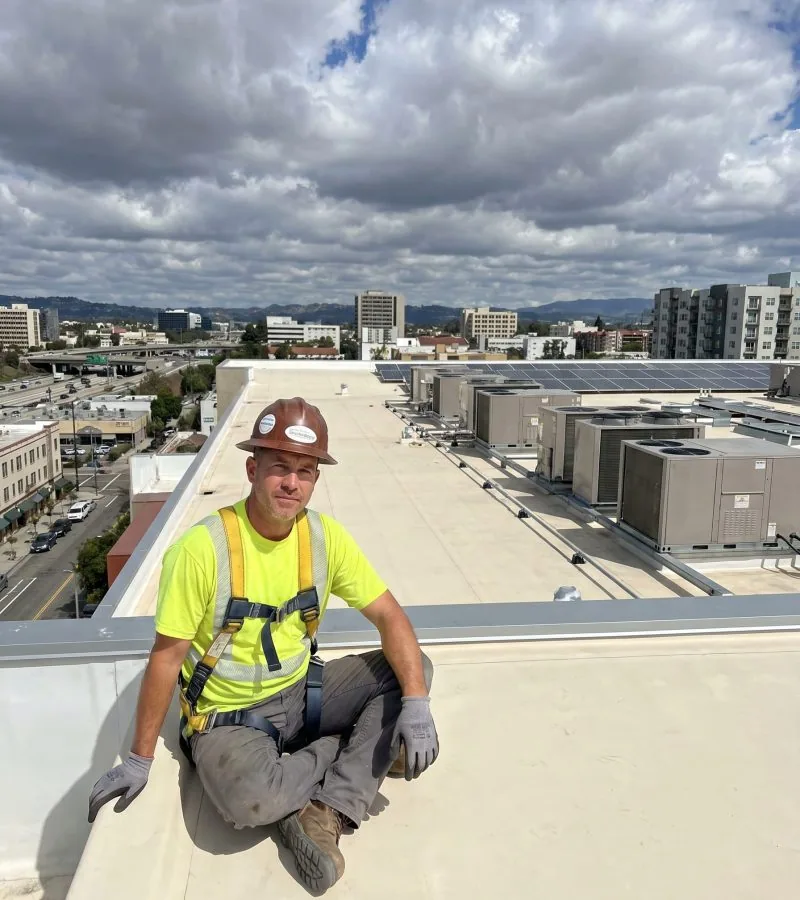
Roof access should be limited to a route approved by the district. We confirm ladders, hatches, keys, escorts if required, and areas where material cannot be stored. The work plan also notes noise and debris controls, plus who receives an update when the section is closed. Before a crane or lift is scheduled, the facility contact reviews parking, fire lanes, and pedestrian circulation. These details keep roof work from creating a separate ground-level hazard.
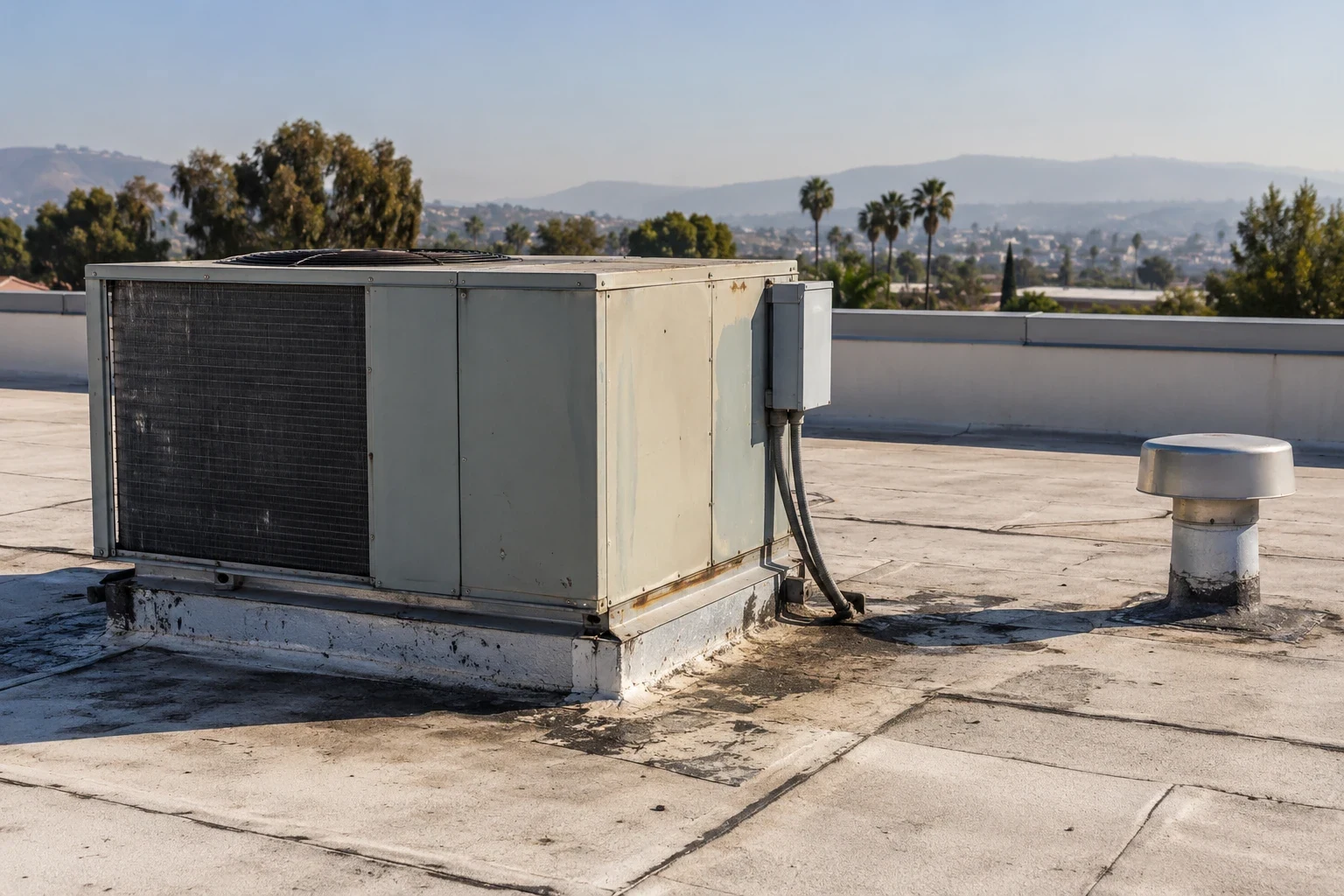
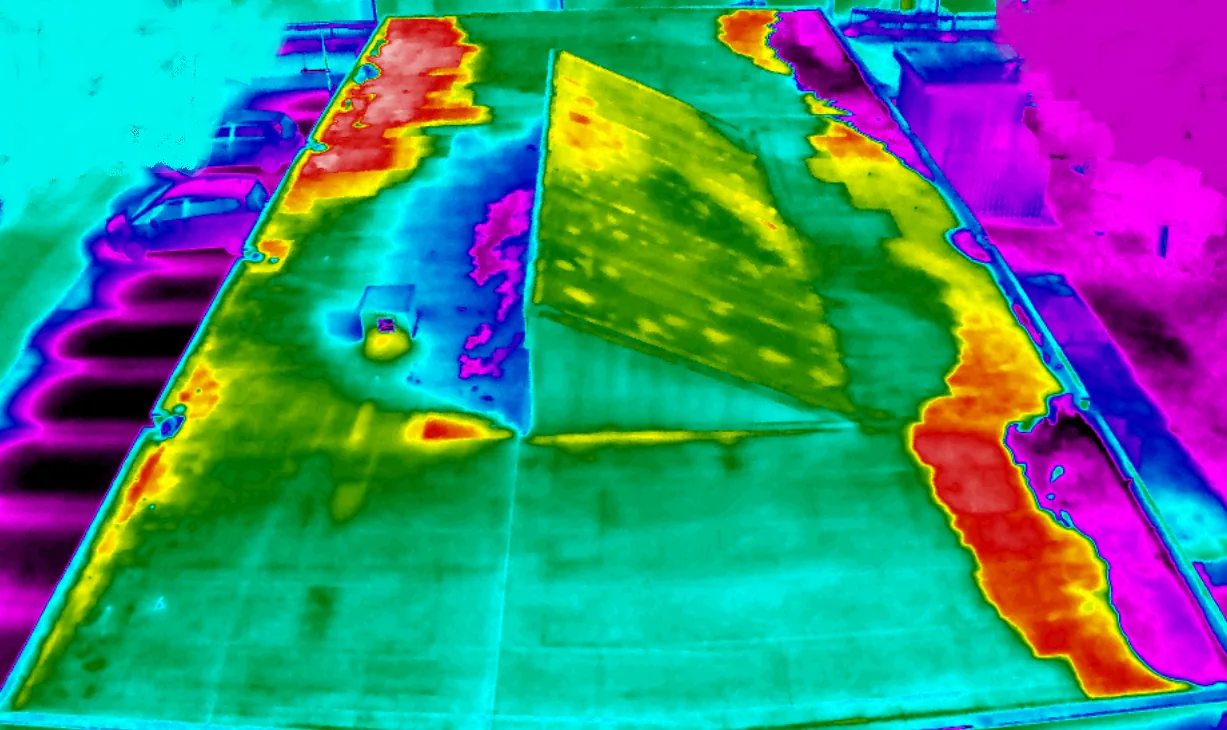
The Hesperia 2 E station’s August normal high is 97.0°F. The figure is a climate normal, not a forecast for a school project day. Heat can still affect exposed membrane edges and flashing during service life, so the roof review records open laps, sealant, and prior repairs. A roof repair scope should state exactly which detail is corrected. If moisture is suspected, infrared survey work can help choose a test area.
Trace a Reported Leak
A stain in a classroom does not necessarily mark the roof entry above it. Water can track along deck flutes, insulation, conduit, or a previous patch. We compare the report date with drains, seams, roof penetrations, and any past repair. A test opening can show whether insulation is wet or the deck needs repair. The report separates confirmed findings from a suspected path so the district can decide whether to isolate a room or schedule a broader scope.
Hesperia’s freeway corridor serves as a broad planning reference, while the campus address and school schedule decide access. Warehouse development along I-15 and Highway 395 does not establish whether a school roof is being built or changed. For the specific roof, we use field observation. A drain and scupper assessment handles a different failure path from flashing repair; each item should have its own photos and work boundary.
Compare Repair and Replacement
When a defect is isolated and nearby insulation is dry, a compatible repair may be enough. A test that finds wet material can require selective removal. Recover is possible only when existing layers are secure, moisture-free, and low enough to preserve drains and edges. Replacement reaches more of the deck but affects a larger area and creates more debris. We show the evidence behind each option and identify what would change the selected scope before the district approves work.
A TPO membrane and modified bitumen system differ in seams, preparation, and tie-ins. The school label does not choose the material. We inspect the existing roof, deck, drains, penetrations, and perimeter. A district managing several property types may also review public agency roof scopes and property management records, while keeping each school’s inspection separate.
Make the Estimate Fit the Site
Cost depends on removal depth, insulation and deck condition, drains, edge metal, interior protection, access controls, disposal, and how many sections the calendar allows. A test opening can refine quantities; a tear-off can expose additional damage. We state how changes will be documented and approved before removal expands. Summer access may help with occupancy, but weather and crew sequence still determine the work window and daily close-in plan.
Hesperia’s I-15 and Highway 395 corridors connect freight movement, and local truck routes may matter when material delivery is planned. The site’s own school traffic plan remains controlling. A roof condition report can carry photos, repair boundaries, and test results into a district budget review. The Hesperia City Center District is a broad location reference, not an individual campus or service address.
Close the Approval Loop
Before work begins, confirm who releases the roof area, who approves a test, how rooms below are protected, and who accepts each close-in point. A final handoff includes marked photos, materials installed, remaining maintenance, and any unresolved area. District staff can use the record during future planning without assuming that one school has the same assembly as another. The next decision should identify a repair, a test, or a capital scope with a clear reason. Main Street-West gives a useful orientation point; the campus map, school calendar, and district release contact control the work boundary.
Send the building address, roof plan, affected room, prior repair notes, calendar limits, and facilities contact. We can review the available records and define first field questions without promising a date or repair outcome. Civic and commercial uses line parts of Hesperia’s Main Street and freeway corridor; the property’s access rules and roof determine the work. If a project sits near Main Street or I-15, note delivery windows and staging limits so they are reflected in the sequence.
For a school phase, the facilities contact should match roof access to the bell schedule and identify a safe route that stays clear of student movement. The release note names the area opened, the interior space below it, and the point at which the temporary cover is checked. If an affected room needs to be returned before the roof phase is complete, that decision belongs in the daily log with the protection still in place. Staff can then distinguish a room restriction from a roof repair boundary and schedule the next step without moving a crew into an unapproved zone.
Commercial Roofing Questions
How can a district use summer recess to phase roof work?
A break can create a larger work window, but roof access, weather protection, material availability, and the amount of work still control phasing. We verify the calendar and site restrictions first.
How are classrooms protected during a reroof?
The plan maps rooms below each roof zone and states interior protection, debris controls, and close-in timing. The district facility contact approves the boundary before removal.
Does every school roof need replacement at once?
No. Inspection and test results identify which sections are repairable and which need broader work. We keep the finding tied to the building and roof area inspected.
What should the district share before the inspection?
Provide the roof plan, leak reports, past repairs, access rules, school calendar, and facilities contact. This helps us select a safe route and useful test locations.
Can a district compare bids on the same basis?
Yes, when each scope lists roof sections, removal assumptions, test boundaries, access, interior protection, and close-in requirements. Those details matter more than a single summary line.