Distribution Center Roofing in Hesperia, CA
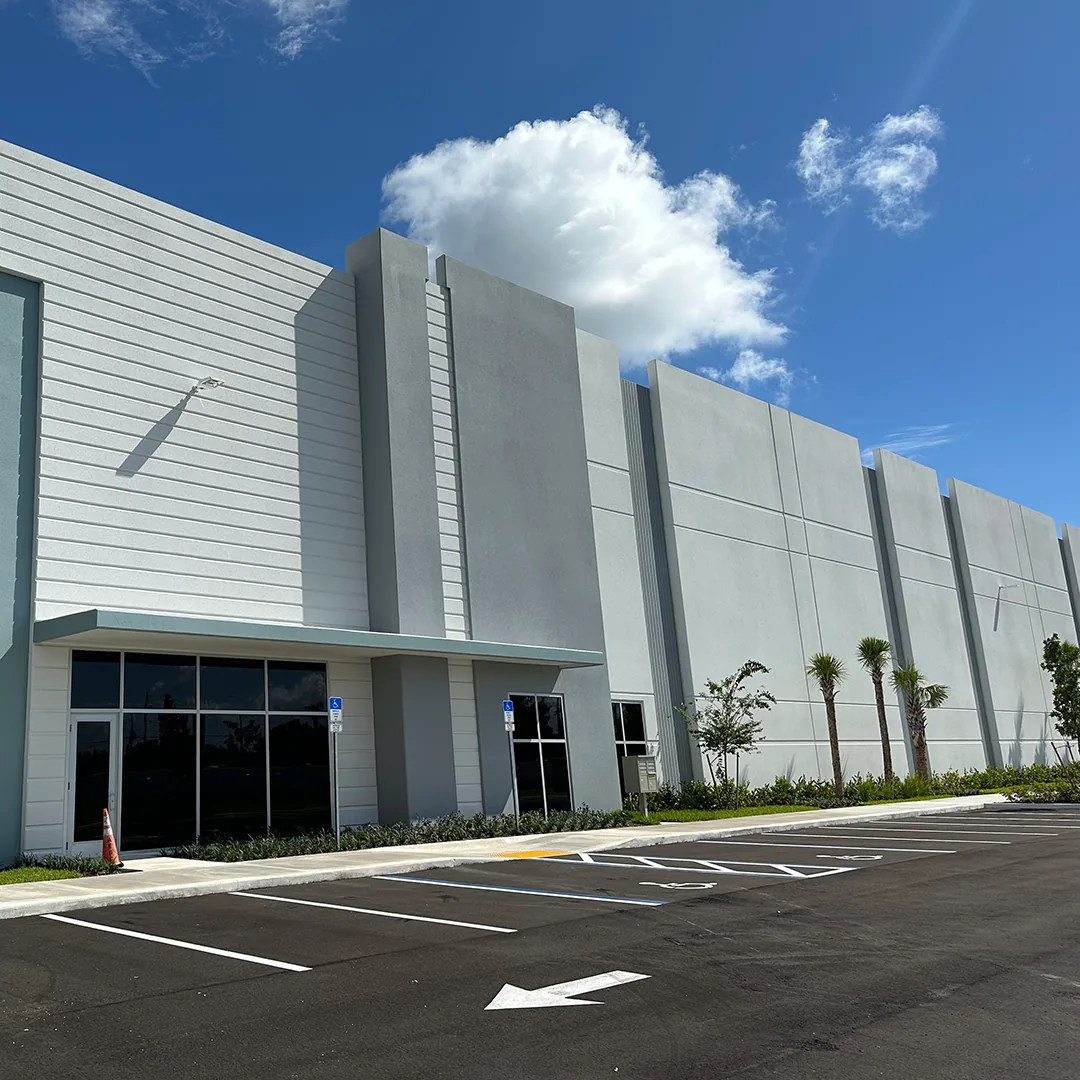
A distribution center has little patience for a roof scope that blocks a dock or leaves a membrane open past the planned close-in. In Hesperia, the I-15 and Highway 395 corridors frame a real logistics setting, with warehouse projects aligned to designated truck routes. That does not tell us how a particular building is built. We first map the roof sections, dock activity, drains, curb details, and access route so a repair or reroof can be sequenced around actual operations.
Build the Work Sequence First
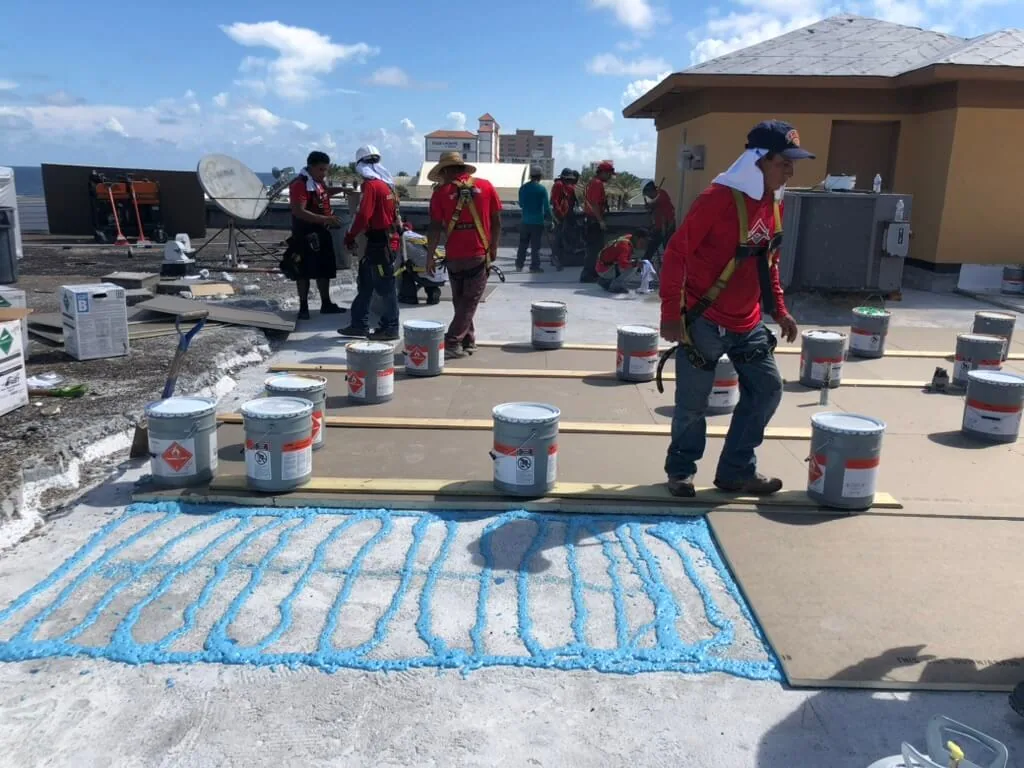
The first planning question is not which membrane to order. It is which roof zone can be released, how crews and materials reach it, and when the area can be closed again. We break the roof into sections that can be inspected and weathered independently. Then we mark roof hatches, ladders, lift positions, shipping doors, and any route shared with drivers. A sequence with a defined close-in point keeps a small phase from expanding into an open-ended operation.
Warehouse projects along Hesperia's freeway corridors are aligned with designated truck routes. For an operating center, that local movement matters when staging dumpsters or a crane, but we still confirm the property’s actual circulation plan. The city’s commercial roof inspection process starts with the site record, not a presumed layout. The result is a practical access map that the facility contact can compare with inbound schedules and areas that must remain clear.
Read the Roof by Zone
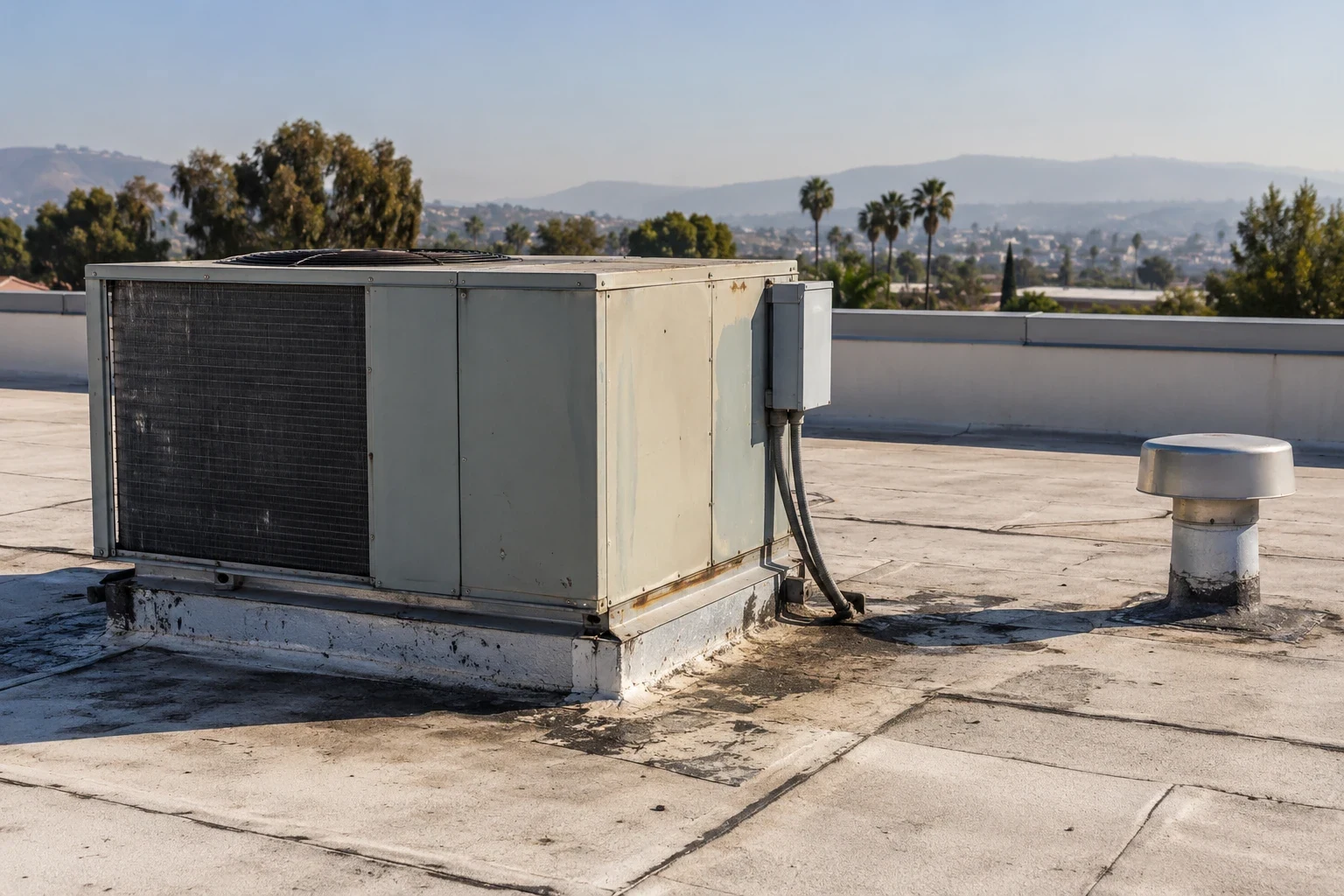
A long roof may combine different installation dates, repairs, and drainage conditions. We mark seams, expansion joints, curbs, drains, scuppers, edge metal, and patches by zone. Interior leak reports then get matched to those exterior points. A seam opening at a wall tie-in has a different repair than a puncture near a service path. If water has spread under the membrane, a test area helps separate the visible defect from the extent of wet insulation.
Hesperia 2 E's normal daily high for August is 97.0°F. That is climate context, not a measurement of the roof or a prediction for a work day. Heat cycles can stress sheet movement and exposed transitions, so we look closely at terminations, sealant joints, and repaired seams. A documented commercial roof repair should identify the defect, limits, compatible materials, and any nearby condition that could let water return.
Protect Drainage and Tie-Ins
Distribution operations can add roof traffic around equipment, vents, and service points. Repeated foot traffic can abrade a membrane or loosen an unprotected transition, while debris at an outlet can slow drainage. We inspect the route people use, not just the area directly above a stain. At each drain, we check the bowl, clamping detail, surrounding membrane, and path water follows across the roof. The report records whether the finding is maintenance, repair, or an item needing a test.
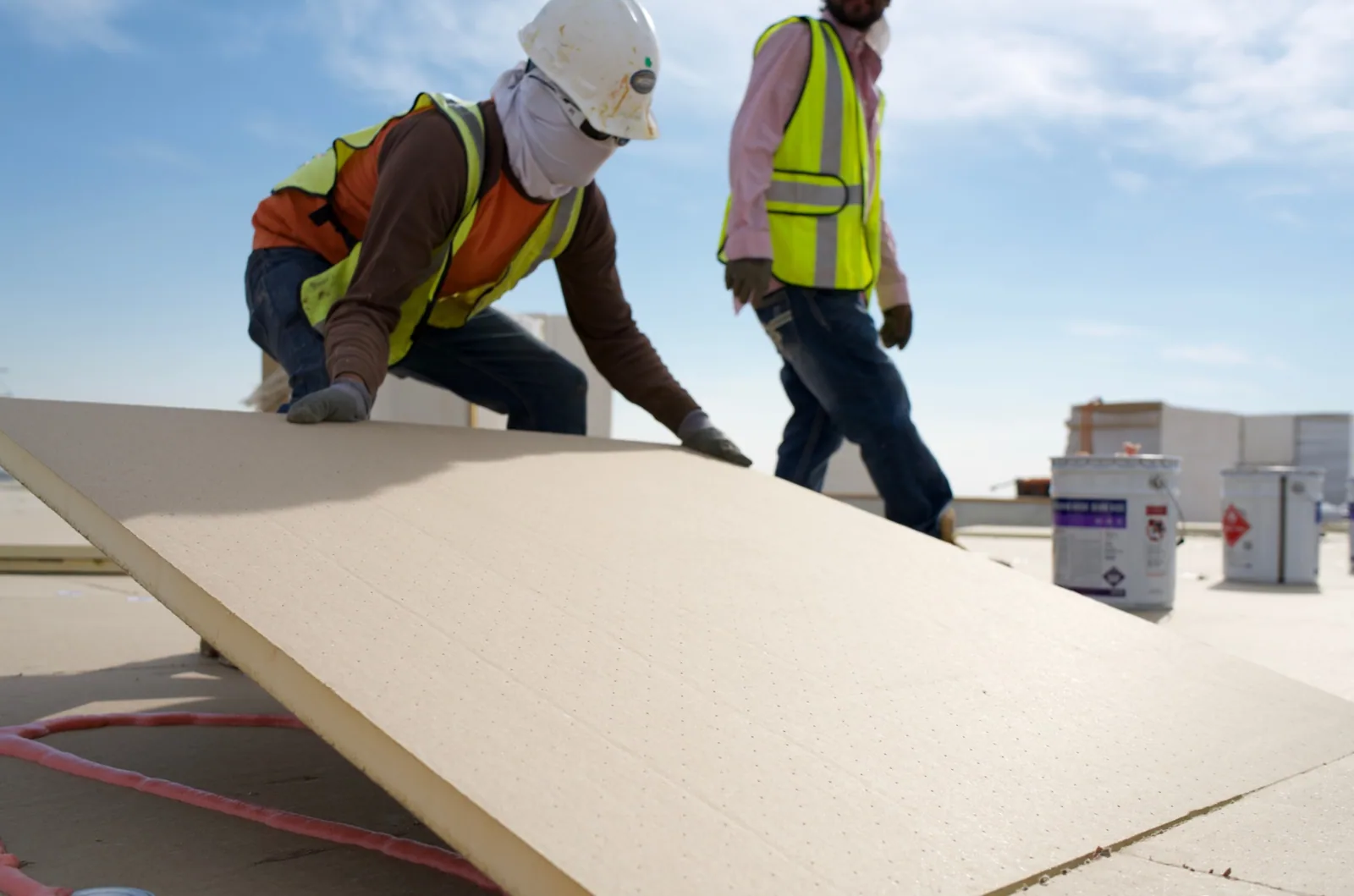
A roof with multiple old layers may hide a weak substrate beneath an intact surface. That changes fastening, recover eligibility, and the amount of removal required. Our roof insulation and cover-board work addresses assembly layers only after we verify what is present. Owners comparing system options can review TPO membrane installation, but the existing deck, perimeter, and rooftop conditions decide whether that assembly fits.
Choose by Assembly, Not Label
A recover can reduce demolition only if the existing roof is dry enough, secure enough, and within applicable height and code limits. Selective replacement may make sense where wet insulation or a failed detail is isolated. Full replacement exposes more of the deck and allows the assembly to be rebuilt, but adds demolition, staging, and disposal. We show the evidence supporting each path, including any areas that still need an opening, so the facility team can approve a scope with a known boundary.
New distribution space along I-15 or Highway 395 may have different drainage and structural drawings from a converted building. Hesperia's Main Street and freeway corridor includes business-park and industrial districts, but land use does not certify a roof design. We review project documents and field conditions. For adjacent roof types or phased work, a warehouse roofing plan can share the same access logic, while a roof recover and overlay assessment tests whether existing layers can remain.
Tie Cost to Downtime Choices
Cost is affected by tear-off depth, deck repair, insulation replacement, drain corrections, edge flashing, rooftop obstructions, disposal, and crew access. The work window can add shifts or smaller phases, while a test opening can reveal material that is not visible from above. We separate known quantities from field conditions that need an authorization. That lets the facility compare a limited repair with broader restoration using the same assumptions for access, protection, and close-in. The owner should also note any interior activity below a suspected leak, since water may travel beyond the exterior defect before it becomes visible. That observation can sharpen the test boundary.
A planned shutdown should not be assumed. We coordinate around the portions of the center that can be released and identify when forklifts, conveyors, or tenant traffic could affect the work area. Weather protection belongs in every phase, particularly where a roof section opens during removal. A preventive maintenance visit can also record drain and seam conditions before a leak forces a rushed scope.
Leave a Usable Roof Record
At turnover, the owner needs more than a completion note. We record what was removed, what remained, where repairs tie into the existing assembly, and which details were tested. Photos should identify the roof zone and detail, not simply show a roll of membrane. The facility contact can then connect service calls to a location and date. If rooftop equipment moves later, the record gives the next contractor a map of curbs and tie-ins that were part of the project.
Send the address, current roof plan, leak locations, dock or delivery restrictions, and the person who controls access. We can flag missing information and define the first field questions before the project is priced. A good next decision states which sections can be released, what test results could alter removal, and when each open area is closed. The Hesperia freeway corridor is useful context for deliveries, while the site plan sets the actual route. Compare staging with production-area roofing when equipment limits a work window. That keeps the roof scope tied to the center's operation without promising a schedule before access and materials are confirmed.
Commercial Roofing Questions
Can roof work happen while a distribution center is operating?
It may be possible when the roof is divided into secure zones and a workable access route is available. We coordinate the phase boundaries and close-in points with the facility contact.
Why map docks before pricing roofing work?
Staging, lifts, and debris removal can interfere with truck circulation. Dock cycles and designated access routes affect where material can be placed and which roof section can be released.
How do you tell whether a recover is feasible?
We check layer count, moisture, adhesion or attachment, drainage height, and the deck. A test opening can reveal conditions that a surface-only review cannot confirm.
How does wet insulation found beneath a test cut affect the repair scope?
We mark the affected area and explain how additional testing may define the repair boundary. Removal can be priced or authorized in steps instead of assuming the entire roof has the same condition.
Which detail tends to control the close-in point?
The phase edge, perimeter, drain, or curb tie-in may set the limit. We identify the detail that must be completed before protection is removed from an operating area.