Commercial Roof Insulation and Cover Board in Hesperia, CA
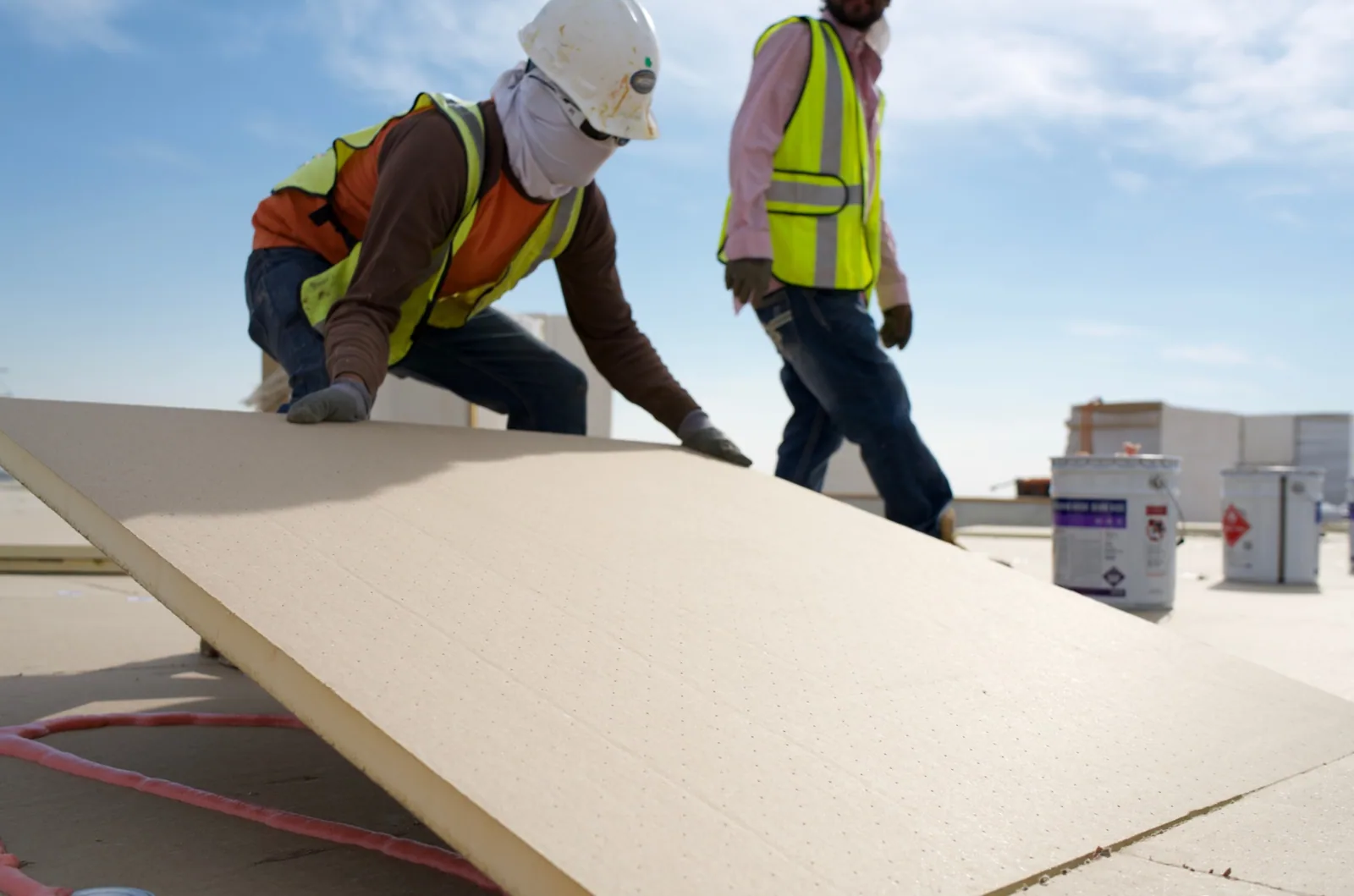
Roof insulation affects the roof assembly, not just the interior temperature. When insulation is wet, crushed, poorly attached, or exposed at a seam, the membrane above it may lose support and a repair may not hold. Start by identifying the roof type, known layers, leak history, and where the assembly has changed. At Hesperia 2 E, the 1991-2020 August daily-high normal is 97.0°F. That station figure is not a reading from the roof under review. Heat can make roof surface conditions a scheduling concern, while the assembly itself still needs a field inspection to confirm condition. We map any suspected wet area, check attachment and cover board, and separate confirmed repair from concealed material. A moisture survey may help choose verification points when conditions suit the method. The decision should be whether to retain, replace a defined area, add a compatible layer, or evaluate the roof for replacement.
Identify Each Layer Before Opening
Review the roof plan and prior repair record, then verify the assembly at a safe inspection point. A roof may contain membrane, cover board, one or more insulation layers, vapor control, and deck. Changes in height, surface, or fastener pattern can reveal a prior overlay, but they do not identify every hidden layer. If the existing documents do not match field conditions, mark the difference before estimating. A core opening can show thickness, moisture, and layer sequence; obtain authorization and plan a proper closure first. Hesperia's industrial and regional-commercial districts include varied building uses, so identify each roof area by address and level instead of assuming similar buildings share a construction. The Hesperia Industrial District is a broad place target, not a single site. Field measurements and a property-specific roof map control the insulation scope.
Set a Moisture Boundary
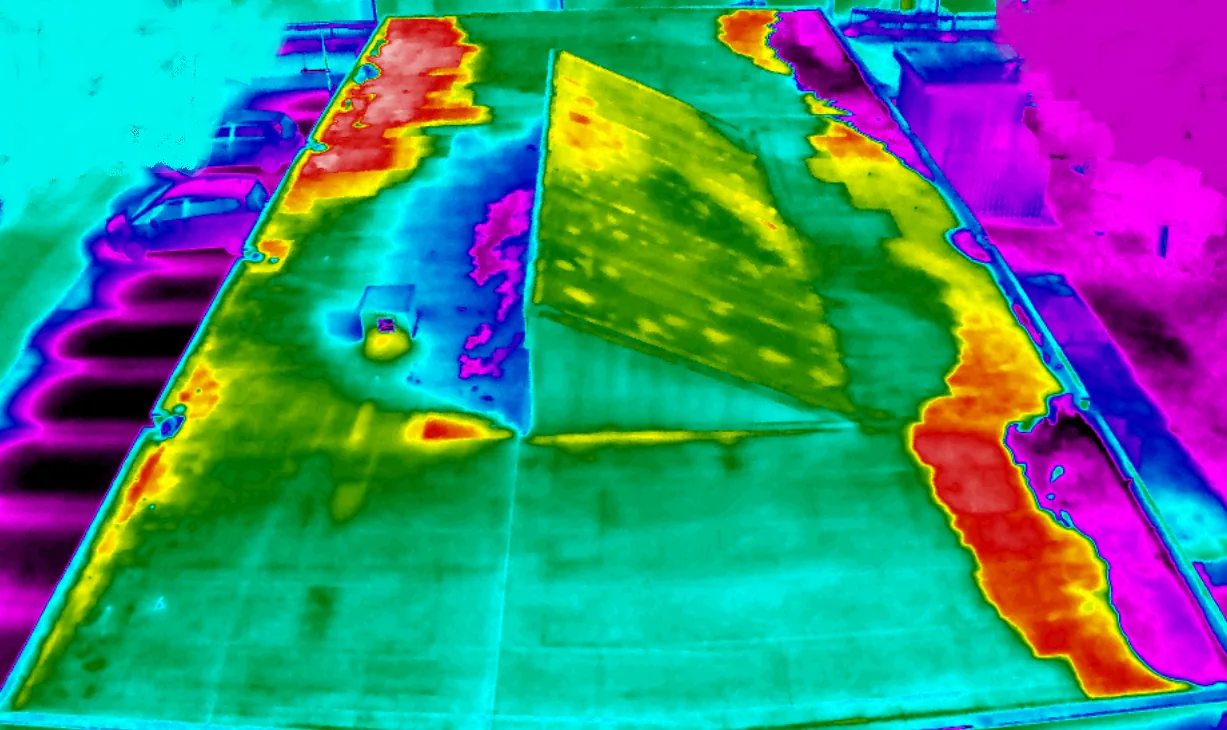
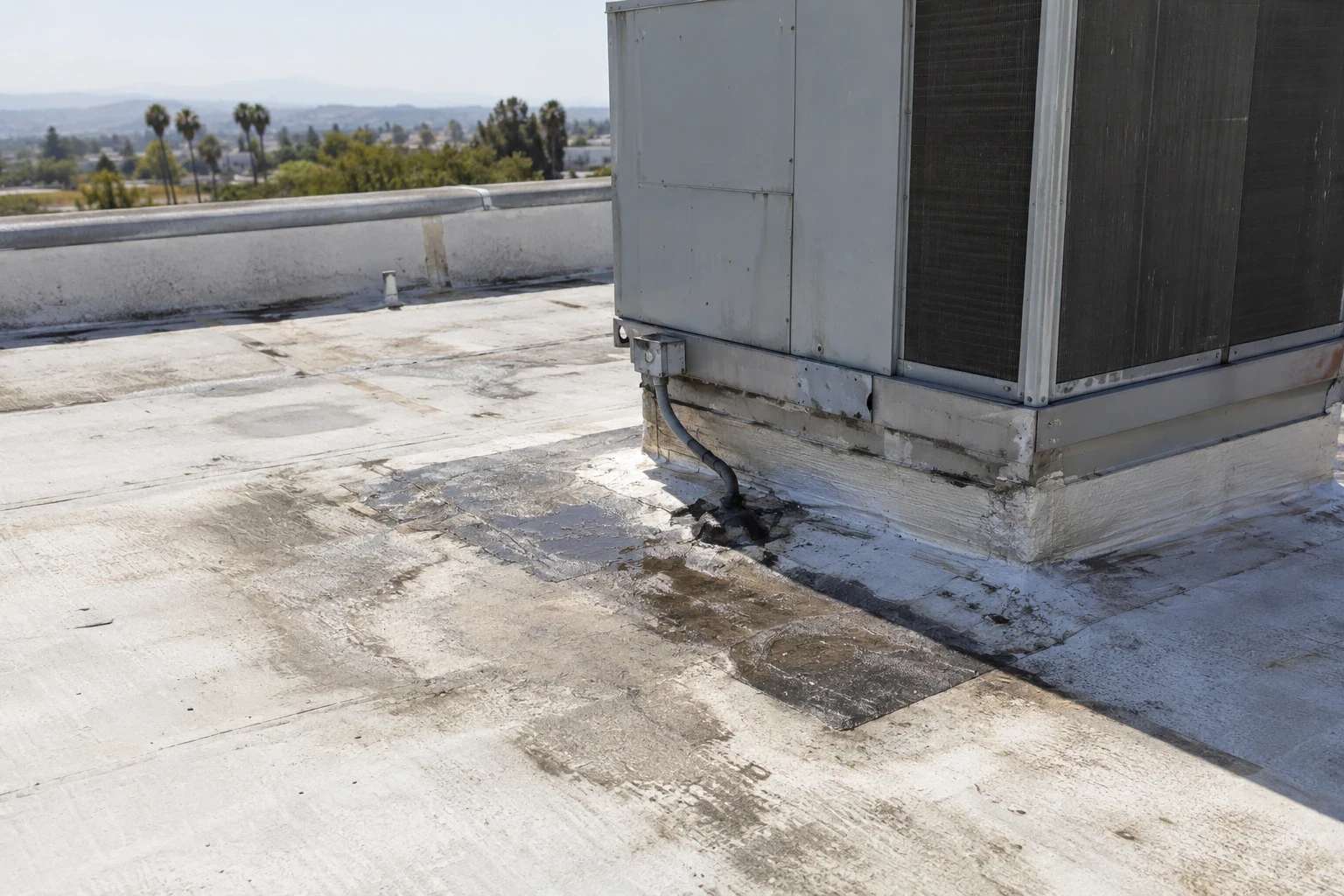
Do not remove insulation solely because a ceiling stain appeared below it. Trace the water path and compare suspect areas with material that appears sound. Thermal readings, capacitance checks, probes, or selective cores can help answer the question, but each method has limits. Mark the test location and record what the method actually established. If a core confirms wet insulation, measure the affected boundary and inspect the substrate before replacing material. If the insulation is dry, investigate a different path rather than widening the opening without evidence. A leak repair assessment can connect the interior report to the roof assembly. Avoid trapping wet material beneath new cover board or a new membrane. The 1991-2020 August daily maximum normal recorded for Hesperia 2 E is 97.0°F; job-day surface conditions must be measured separately. We test the roof assembly directly when moisture extent could change the repair.
Use Cover Board for a Defined Reason
Cover board can provide a surface for membrane attachment, protect insulation, or help distribute foot traffic, depending on the selected assembly. Specify its type, thickness, attachment, joints, and compatibility with the membrane. Board joints should not align with underlying insulation joints unless the system design allows it. Use fastener patterns and adhesives appropriate for the deck and wind design. At curbs, drains, and edges, account for board height so flashing and drainage details remain workable. If a Hesperia property has equipment service routes, identify paths where repeated foot traffic could damage a membrane. A roof plan should mark those paths rather than relying on a general note. The TPO system detail and PVC system detail each require assembly-compatible attachment and seam transitions. Match the cover board and insulation to the chosen system, not a generic material list.
Plan for Hesperia Roof Conditions
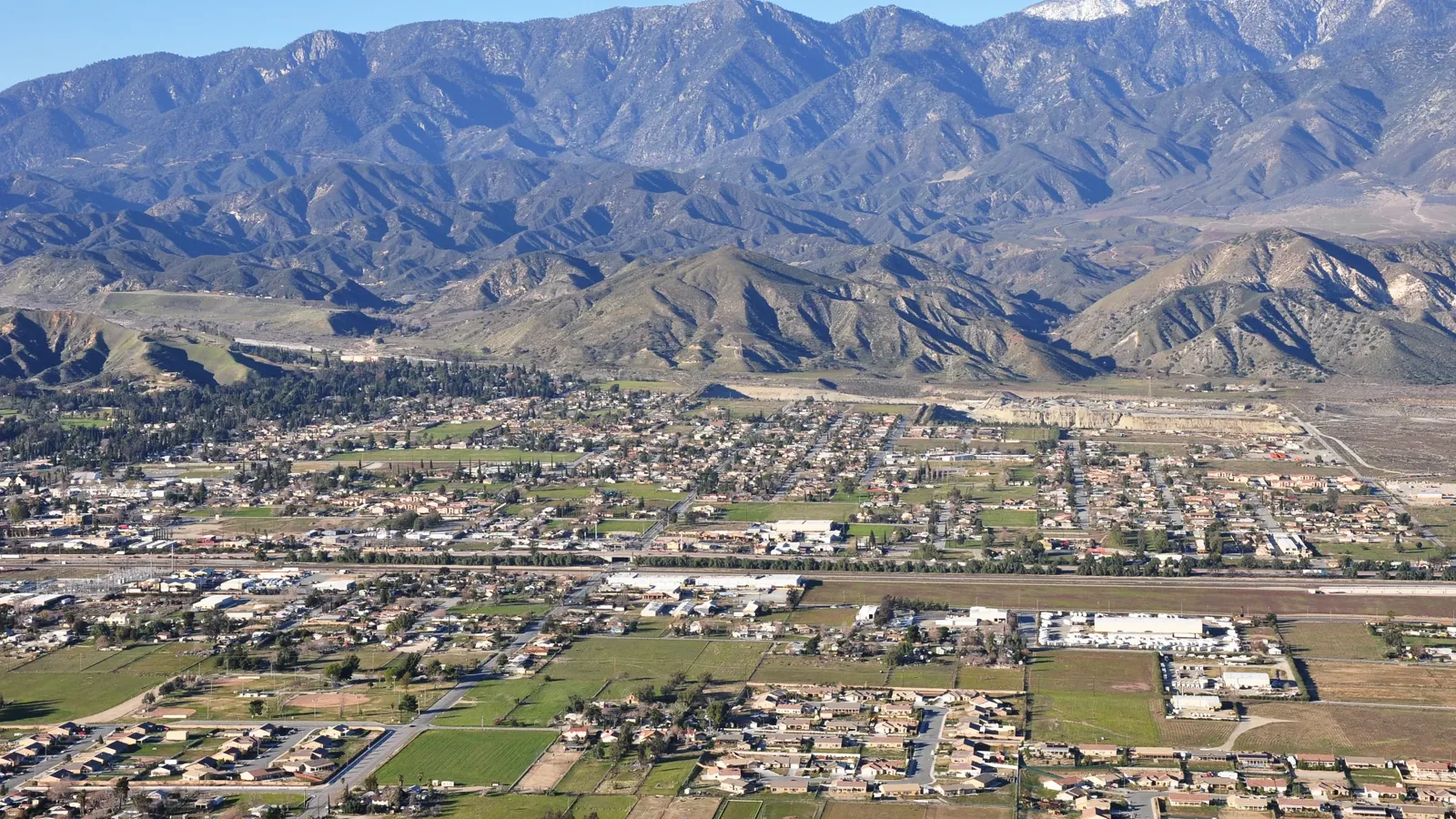
Hesperia's City Center District and Industrial District include distinct building uses. As a property changes, preserve layer records under its address rather than carrying details from another roof. The City Center District has civic and mixed-use activity with pedestrian-oriented retail, alongside the Highway 395 and I-15 District. Verify roof layers at the actual property. I-15 and U. S. 395 meet near Hesperia's freeway corridor. Confirm loading and staging rules directly with the site contact before moving insulation or cover board. Plan material delivery, roof access, debris handling, and close-in points so exposed insulation is protected at the end of each work window.
Repair Only the Assembly That Failed
A localized insulation replacement can work when the boundaries are dry and the deck can accept new attachment. Remove damaged layers to a sound edge, replace material with a compatible thickness, and restore the cover board, membrane, and flashing. Do not taper a patch into an unsupported layer or leave an open joint near a drain. If moisture crosses several roof sections or attachment is unreliable, compare a larger replacement scope. The estimate should list measured area, layer assumptions, fasteners or adhesive, membrane tie-in, and a unit price or approval point for concealed deck damage. If the owner approves a test opening, photograph each layer before removal and note what was found. A roof inspection after close-in should confirm the completed transition and update the roof map.
Keep Layer Records With the Roof
Record the insulation and cover board installed, thickness where confirmed, attachment method, and the roof zones changed. Include photos of the deck and layers before they are covered, along with a plan that marks the repair boundary. Note any area not opened or tested. We check actual conditions when scheduling work and record them in the closeout. The owner should retain product and work records with the building's roof history. At the next maintenance review, compare repaired seams, drainage, and equipment paths with the same map. Send the Hesperia address, available roof details, prior leaks, and access contact. We will identify what the assembly shows, which layers need replacement, and what remains concealed before expanding a repair.
Control the Open-Roof Sequence
Set a daily open area that can be dried, insulated, covered, and closed within the work window. If a test reveals a larger wet boundary, pause and show the owner the measured condition before removing more layers. Keep removed insulation and debris clear of drains and access paths. Confirm that each board edge is supported and that fasteners do not compromise concealed utilities or roof equipment. Where a building remains occupied, tell the site contact which roof zone is open and what protection is in place at shift end. A phased map helps crews return to the same boundary without duplicating removal. Record the temporary close-in, the completed tie-in, and any area still awaiting approval. This sequence protects the assembly and keeps added quantities traceable to the condition that required them.
At the final walk, distinguish boards replaced from areas retained, and identify any condition that prevented a complete tie-in. Photograph the transitions, note the fastening or adhesive approach, and file the detail with its roof section. Clear closeout records help maintenance staff avoid treating a localized insulation correction as full-deck replacement.
Commercial Roofing Questions
Can new insulation go over wet insulation?
Not without defining the wet area and setting a sound boundary. Trapping moisture can leave the roof unsupported and complicate future repairs. Verify suspected material before closing the assembly.
How can cover board protect insulation and strengthen the roof assembly?
Its role depends on the designed assembly. It may provide a substrate for membrane attachment, protection for insulation, or a more durable surface under service traffic. Thickness, fastening, joints, and compatibility need to match the system.
How do you confirm the existing roof layers?
Review plans and work records, then verify field conditions. A selective core can reveal the layer sequence and moisture at a specific point, with owner approval and a plan to close the opening.
Does Hesperia heat change insulation selection?
A climate normal does not select a material. The owner should compare the roof system, thermal needs, attachment, drainage, moisture, and project conditions. Actual roof temperatures and product requirements guide the work window.