Standing Seam Metal Roofing in Hesperia, CA
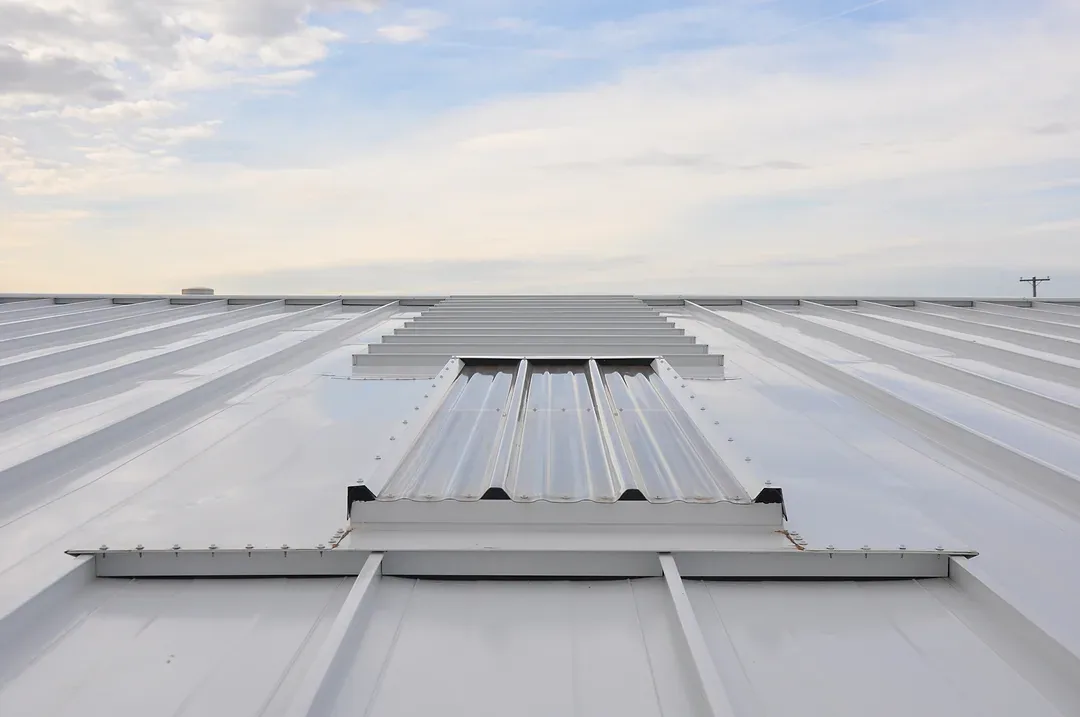
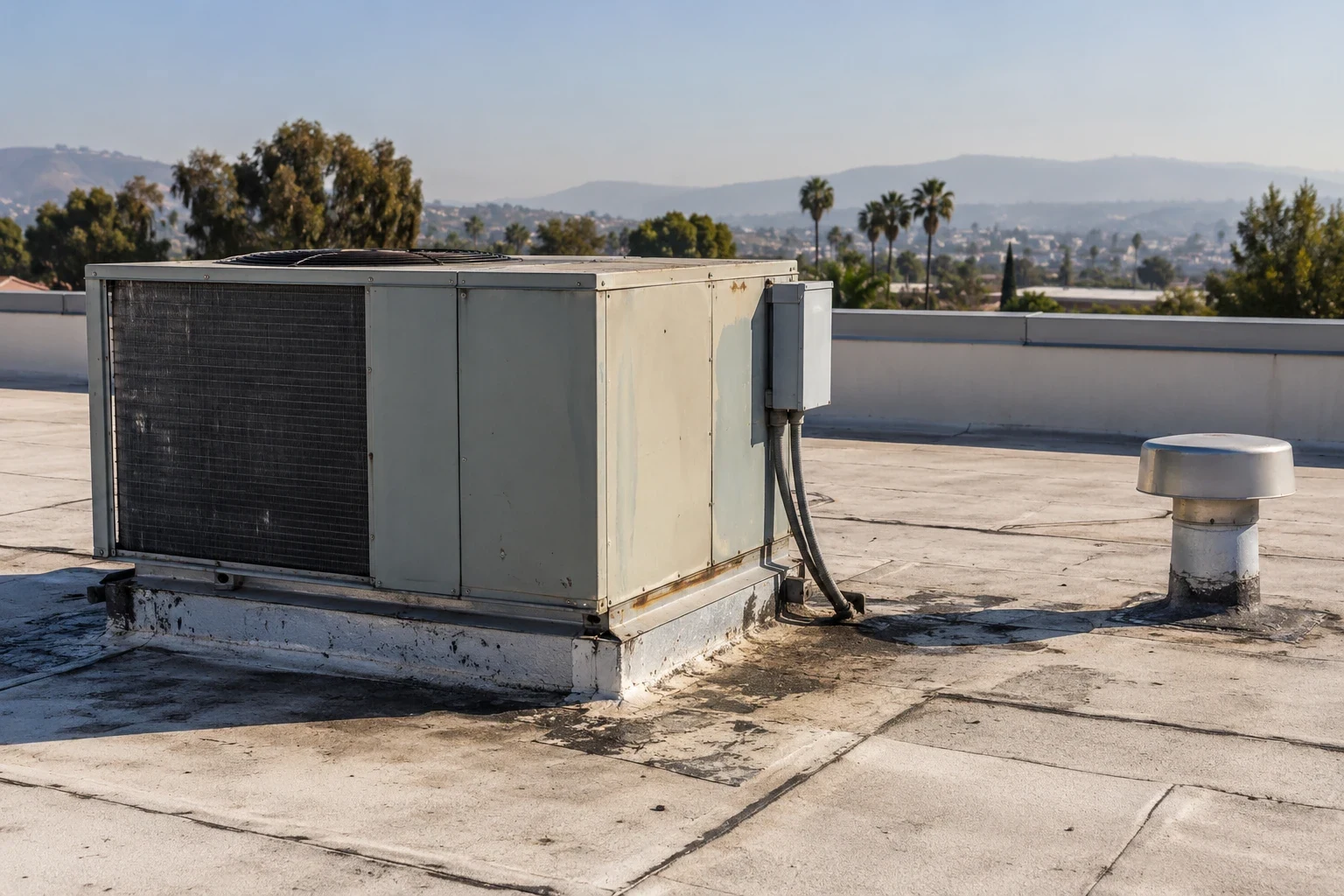
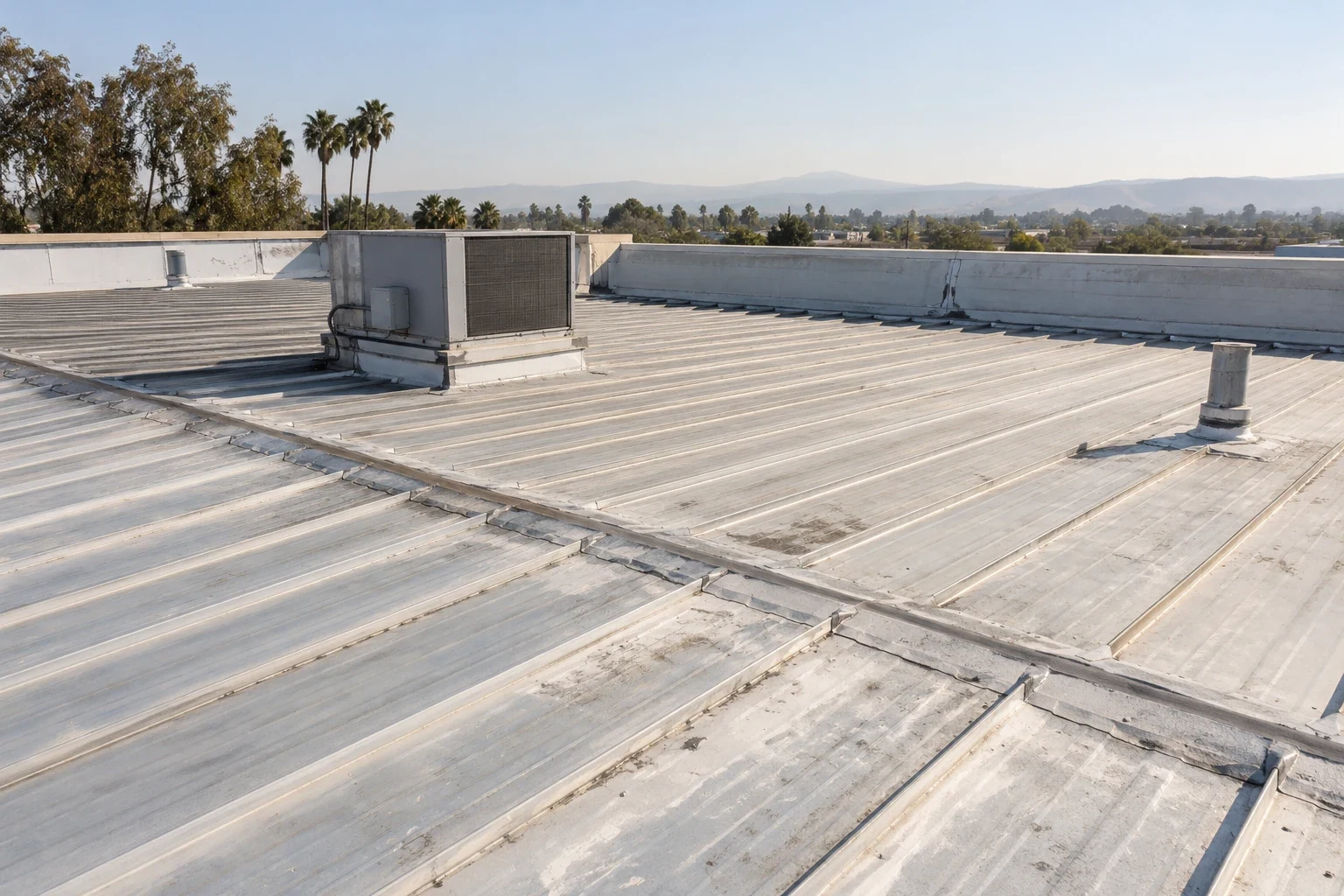
A standing seam panel needs room to move, and its attachment must keep the roof secure as that movement repeats. In Hesperia, CA, we inspect seams, clips, fasteners, eaves, ridges and penetrations before proposing a repair. Freeway South is planned for regional commercial uses and auto sales. That city-planning context does not establish a panel system, but it makes ground-level vehicle and pedestrian protection worth confirming before a lift or repair is staged. We identify whether a seam is mechanically locked, where the panels are fixed, and what lies below the metal. A stain, noisy panel or oil-canning appearance needs context before the owner chooses a repair, retrofit or full replacement.
Inspect the Panel System
We check for seam separation, loose or corroded fasteners, damaged clips, coating loss, cut-edge corrosion, impact marks and water entry around curbs. Oil canning can be a visual condition rather than a structural failure, so we look at the panel profile, attachment and supporting substrate before describing it as damage. At eaves and ridges, the trim should shed water without an exposed opening. Penetrations require a detail compatible with the panel ribs and expected movement. If water appears indoors, trace the path through the underlayment, purlins or insulation rather than sealing the first visible joint. Mark each panel and transition on a roof drawing so the quote distinguishes a repairable fastener from a wider attachment problem.
Check the Heat-Movement Range
A panel run needs room to move between its fixed point and the eave or ridge. Look for a clip that has shifted, a fastener that has locked a sliding point, or sealant that has split where movement concentrates. Confirm the actual profile and attachment before choosing a repair. If lift work is planned near Freeway South's regional commercial district, the operator should approve ground protection and delivery sequencing; the district's land use is not evidence of any one building's roof.
Separate Finish From Structure
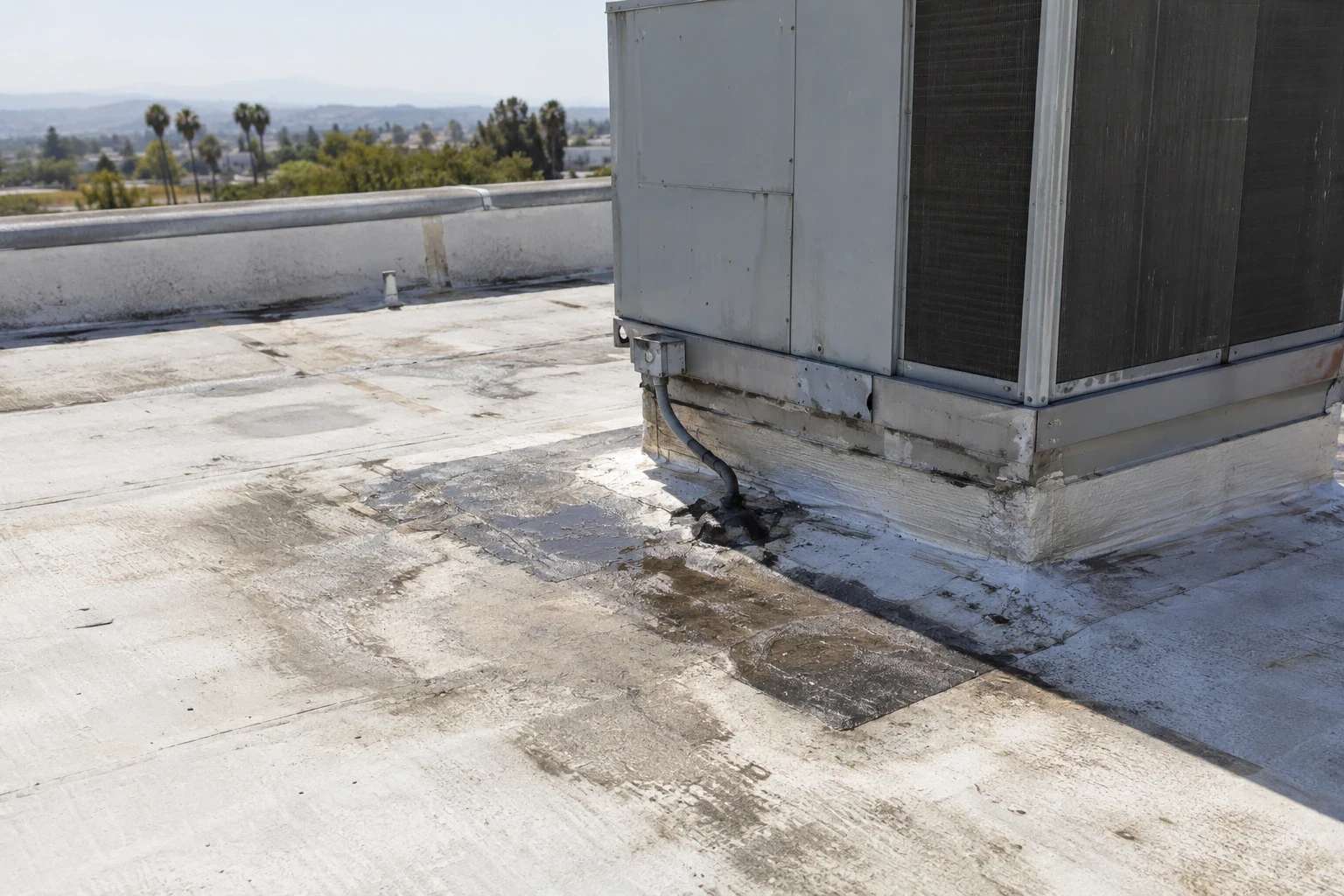
A dent, faded finish or waviness should not be treated as a leak without checking seams and penetrations. We look for water tracks, failed sealant, loose panel ends, blocked drainage and damage where different roof materials meet. A magnet or coating appearance may help describe a surface, but it does not show the support condition beneath the panel. If a curb was added later, inspect the cut panel edges and flashing attachment around the opening. A roof condition inspection can map those details; a leak-path review can connect them to an interior report. The result should say which panel, seam or transition is confirmed and what remains hidden below the metal.
Keep Movement in the Design
Standing seam works through the relationship among panel width, clip type, seam geometry, substrate and fastener placement. If a replacement or retrofit is considered, confirm structural capacity, attachment, underlayment, insulation, drainage and perimeter restraint together. A new metal layer over an old roof changes height at parapets, curbs and drains; details must account for those transitions. Compare a metal retrofit with TPO roofing or another low-slope system when the building and owner priorities allow alternatives. We explain where movement is accommodated, which clips or seams need maintenance, and how future access will work. The specification should identify the metal profile and finish rather than describe only a color or gauge.
Protect the Panel Run
During a repair, crews need a safe path that does not crush ribs or damage concealed clips. We set access points, fall protection, staging and a route for tools and removed material. A lifted seam may need to be mechanically reset, while a fastener replacement requires an attachment that suits the substrate. Sealant is not a substitute for a missing clip or a seam that cannot lock. Before lifting a seam, confirm the clip location and safe access path on this specific roof. A work sequence can protect movement joints from foot traffic while keeping tools and removed material clear of active areas. A work phasing review can coordinate noise and access below. The repaired panel should be checked from both sides of the transition before the crew leaves the roof.
Price the Details Separately
Repair cost varies with panel length, access, lift use, clip replacement, seam work, coating, underlayment and interior protection. A retrofit or full replacement adds engineering review, attachment, insulation, edge metal, drainage and removal choices. We identify measured panel runs and details rather than use a roof-area total that hides the hardest work. If fasteners have corroded across a broad field or the substrate is weak, price a defined test area before expanding the scope. Price lift access, measured panel length, clip replacement and edge detailing separately. The operator must confirm delivery instructions and a safe place for staging, since a public route map does not provide roof access. A replacement comparison should name those logistics and close-in assumptions.
Save the Panel Details
Keep the panel profile, metal type if confirmed, clip pattern, fastener material, finish and repair locations with the roof record. Photograph seam engagement, end laps, curbs and edge transitions so later work can match the same assembly. Note where a repair could not reach a concealed support. If the panel profile or clip pattern is not in the owner's files, record what an approved exposed edge reveals and mark any attachment that remains hidden. Keep the result with the roof map so later work does not infer a concealed detail from a district name. A maintenance inspection can revisit the same details after weather and equipment service. The owner should know which panel run was touched, what movement was observed and which condition would warrant another review. Date each update.
The Highway 395 and I-15 District gives a broad setting for commercial roof work, but not a history of any one structure. We ask the owner for panel submittals, repairs, previous leak notes and any drawing that shows clips or fixed points. If those records are missing, an exposed eave or approved test area can help identify how the panels are held. Photograph the detail before changing fasteners or sealant. That evidence helps separate a repair from a redesign and gives the next inspector a reference. Keep the profile, finish, clip type and repaired panel run together in the building's roof file so future changes do not rely on a visual guess. Date each update.
Measure each panel run and identify its fixed end before selecting a clip or fastener detail. Record any clip that failed to slide, then mark the affected section on a roof sketch for the next inspection.
Commercial Roofing Questions
Is oil canning a reason to replace metal panels?
Not by itself. We inspect the profile, clips, seams, substrate and water entry before deciding whether the appearance reflects movement, support or a cosmetic condition.
Why do standing seam panels move?
Long standing-seam runs need clips that let panels move as temperatures shift. The clip and fixed-point design must accommodate that movement while keeping the panel attached and the seam closed.
Can a loose seam be sealed from the outside?
A surface bead may hide an attachment or locking problem. We check the seam geometry and clip condition before selecting a repair that restores the intended detail.
What does a metal retrofit change?
It can add height and weight and changes the edge, curb and drainage transitions. Verify the existing deck, attachment capacity and space for a complete new assembly first.
How should roof penetrations be repaired?
The flashing must fit the panel ribs and allow expected movement. We identify the opening, support and cut edges, then define a detail that sheds water without trapping it.