Heat and UV Roof Damage Repair in Hesperia, CA
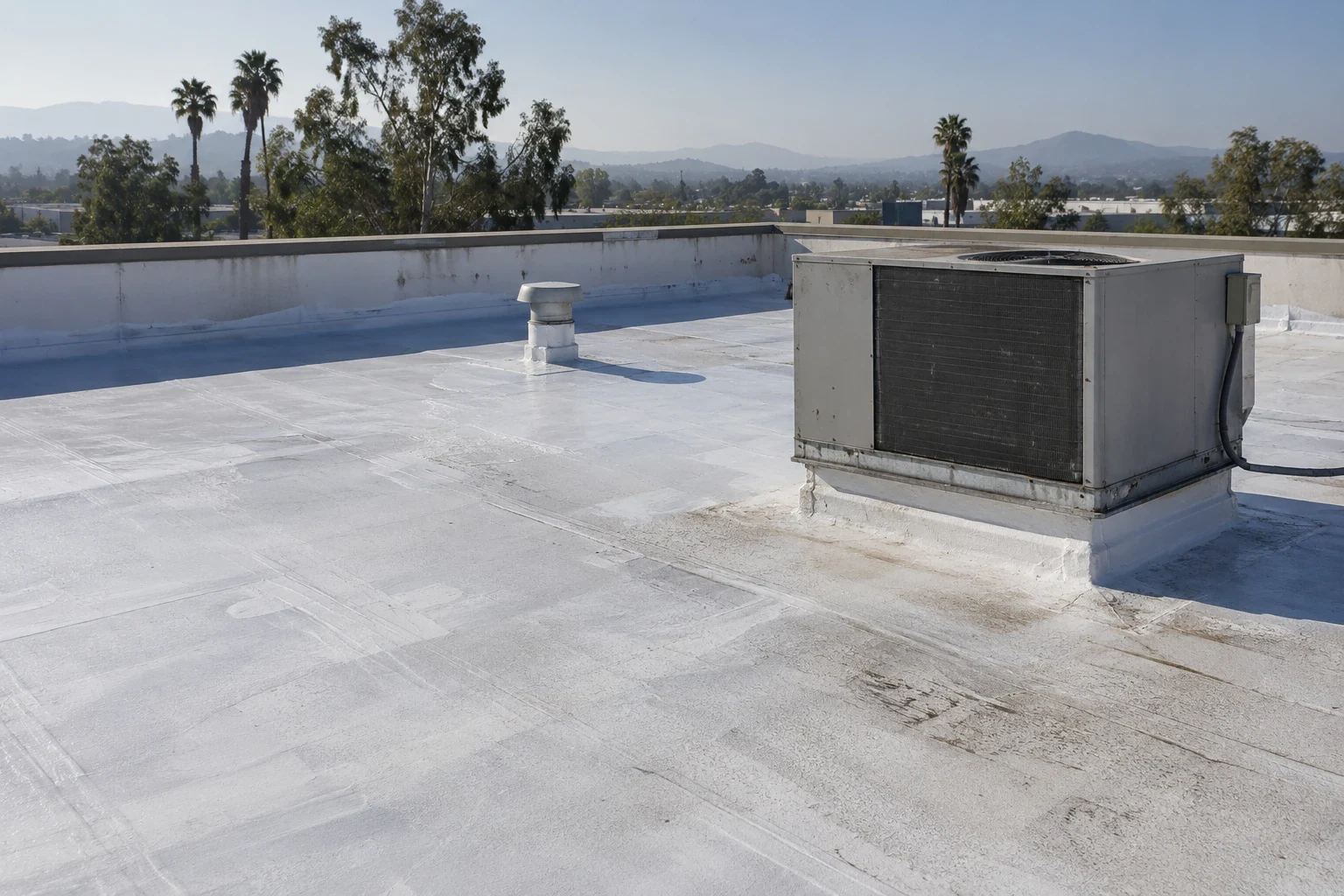
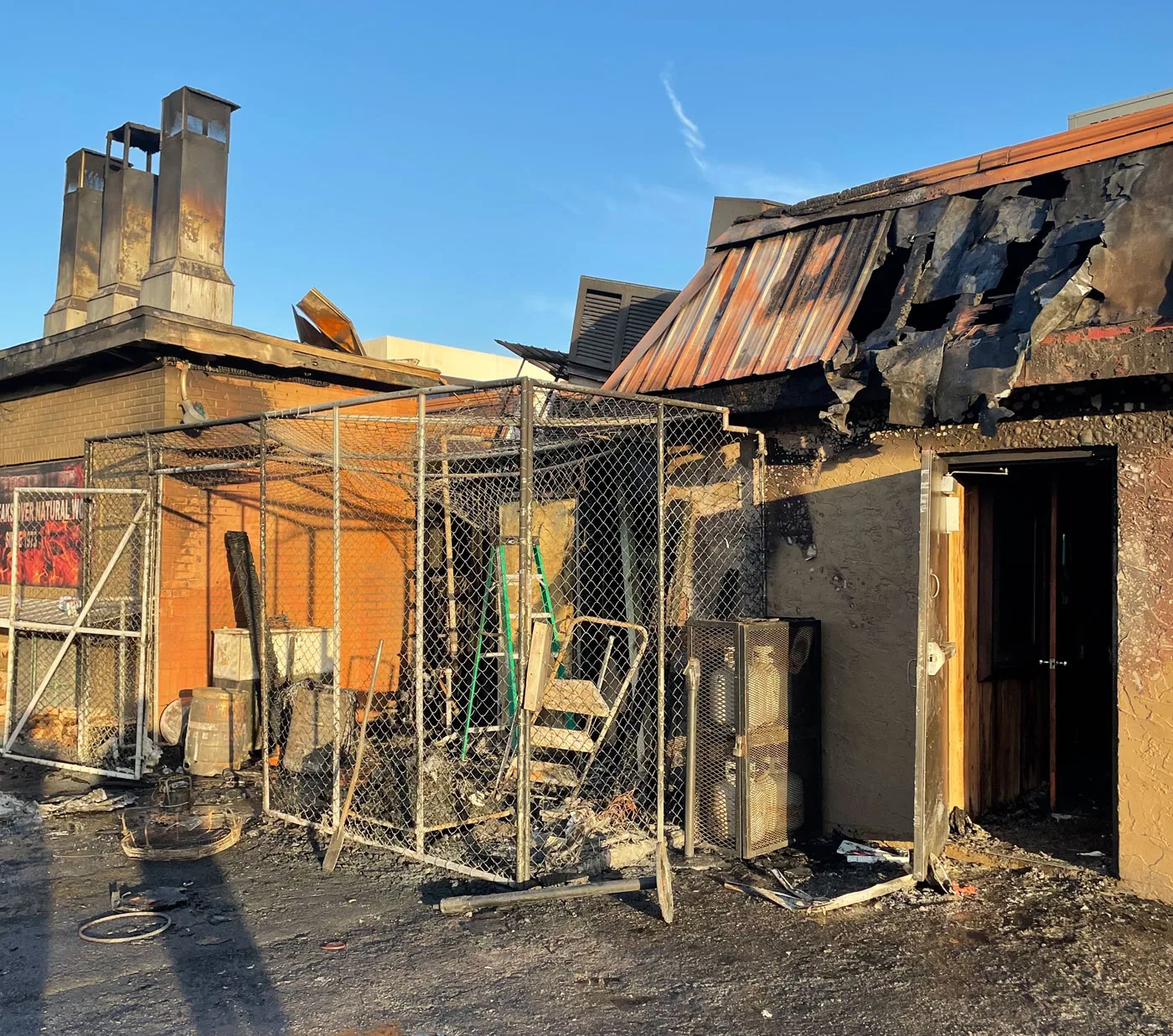
A sun-aged roof can look uniformly faded while one seam or penetration has already lost its bond. We separate surface color change from a defect that lets water reach the assembly. The Hesperia 2 E station averaged a 97.0°F August daily high over the 1991 to 2020 normal period. In Hesperia, CA, exposed membranes and metal details cycle through high surface temperatures, but that normal does not prove a specific roof has failed. We inspect the sheet, seams, flashings, and coating thickness, then document where the material remains sound and where a repair or test opening is justified.
Look past the color change
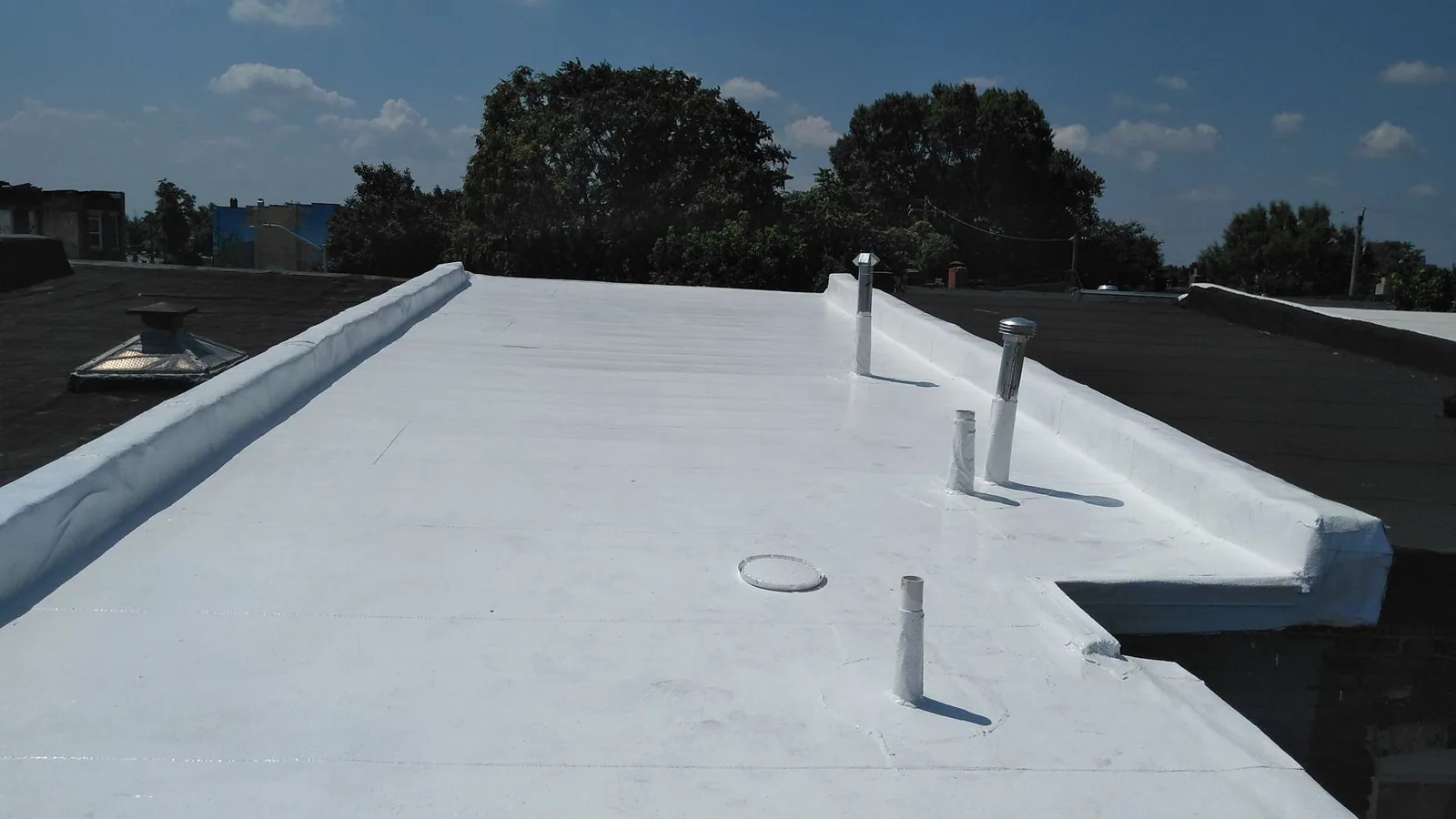
UV exposure can fade or chalk a surface without opening the waterproofing layer. We check for cracking, embrittlement, exposed reinforcement, seam lift, failed sealant, loose metal, and blisters that may indicate moisture below. A coating may hide the original membrane condition, so we identify the existing layers and test a small area before recommending another layer. The repair map distinguishes general aging from defects that admit water. That distinction helps owners compare a focused patch, a restoration system, or a larger replacement scope without treating a cosmetic change as proof of failure.
The inspection compares surface condition across different orientations and roof sections. Shaded areas may retain a coating differently from exposed areas, while equipment screens can create small zones with distinct wear. We check seams, fasteners, and flashing in each condition instead of using one sample to characterize the whole roof. A simple map can show where the surface remains intact, where the membrane is brittle, and where moisture testing may change the recommendation.
Account for Hesperia heat cycles
Hesperia planning identifies designated truck routes near the I-15 and Highway 395 corridors. Before a roofing visit, confirm the allowed entrance, staging area, and delivery window with the property contact. Commercial roofs on active properties need work timed around rooftop equipment, loading, and interior operations. Heat also affects the work window: some sealants and coatings have limits for surface temperature, moisture, and cure conditions. We check the product requirements and current roof surface rather than assume the air temperature is enough. Hesperia's freeway setting includes designated districts for industrial and business-park uses, where staging, equipment access, and a clear repair boundary support practical phasing. Across the Hesperia Industrial District, the roof section and access contact help define a safe inspection window.
We check roof records for coating type, previous repairs, and maintenance dates before proposing another layer. If records are unavailable, we test the existing surface for compatibility and adhesion. Adding a coating over chalk, loose material, or trapped moisture can conceal the condition without restoring waterproofing. The scope identifies surface preparation, repairs, reinforcement, and the areas that will remain outside the restoration boundary.
Track what heat has changed
Repeated expansion and contraction can stress fasteners, laps, edge metal, and transitions where dissimilar materials meet. We compare seams on sun-exposed and shaded sections, inspect metal movement, and note where a previous patch has pulled away. Hesperia 2 E's normal daily maximum for August is 97.0°F, and its December normal daily minimum is 35.2°F. That broad seasonal range helps explain why material movement belongs in the inspection, yet the observed condition on the roof decides the repair. If the membrane remains flexible and bonded, a compatible restoration may be possible; brittle or wet material may need removal.
A roof that is dry during inspection may still have localized wet insulation around a seam, penetration, or prior patch. We consider infrared or other moisture survey methods only when roof conditions suit them, and we confirm questionable areas with a direct opening when authorized. The resulting map records tested zones and limits. That gives the owner evidence for comparing restoration with replacement, rather than relying on a broad visual impression of aging.
Select restoration only after testing
A coating can extend a sound roof system when the substrate is dry, stable, and compatible. It does not repair wet insulation, loose seams, failed flashing, or poor drainage by itself. We check adhesion, moisture, existing coating layers, and the repair details that will remain beneath the new surface. Our silicone coating system and acrylic coating system are evaluated against roof conditions; commercial roof replacement is considered when the assembly cannot be restored within a sound boundary. The scope states prep, repairs, test areas, and close-in.
Work timing matters for coatings and sealants because surface temperature, moisture, and cure conditions affect application. We check the roof surface and product requirements on the planned workday and identify the last point the crew can safely close. If the roof is too hot or conditions change, the sequence may need to move. Hesperia’s August normal daily maximum of 97.0°F is context for planning, while actual readings guide the work.
Compare repair life with roof records
The useful comparison includes current defects, moisture findings, drain performance, and the expected maintenance burden of each option. We photograph the roof sections, list repairs completed, and flag areas needing follow-up. Bear Valley Road, Santa Fe Avenue, and Lemon Street are designated Hesperia freight streets. At occupied properties, we agree on a delivery window with the site contact. The building contact can weigh a repair phase against restoration or replacement using the same documented conditions. We identify what the inspection can support and what would require testing before a capital decision. A roof capital planning review can compare repair, restoration, and replacement using the same condition record. Surface aging can coexist with a seam or perimeter issue, but each has a different repair boundary. We log seam separation and flashing conditions as separate observations, then tie the recommendation to the tests performed. a commercial roof inspection can document whether heat-related wear has reached a seam or flashing.
A condition review can set a staged plan: repair active openings first, restore sound sections where testing supports it, and budget replacement for areas that cannot be made reliable within a bounded scope. We keep those work types separate in the estimate and photo record. Warehouse projects along Hesperia's I-15 and Highway 395 corridors are at different stages; active sites can phase roof work around deliveries, equipment access, and operating schedules.
Commercial Roofing Questions
Can surface fading alone justify recoating a commercial roof?
Color alone does not answer that. We check the membrane surface, seam bond, flashing, moisture, and whether the existing coating will accept another layer. A restoration system needs a sound, dry substrate; if that is not present, repairs or replacement may be the responsible next comparison.
Can high heat cause a leak by itself?
Heat can contribute to movement and aging at seams, fasteners, sealants, and transitions. We look for an actual opening or loss of bond and trace it against the interior report. Temperature records help frame the inspection, while the roof condition identifies where water can enter.
Which roof findings favor a restorative coating over full renewal?
We compare the amount of sound membrane, moisture below the surface, repairability of details, and condition of drains and edges. A test area can establish coating adhesion. The written scope explains which findings support restoration and which sections would need removal or replacement.
What records should I send before the assessment?
Send the address, roof plan if available, known coating or repair history, current leak reports, and an access contact. Include any dates when leaks appear and whether they follow particular weather. Those records help us choose test locations and prepare a condition map with a clear next decision.