Commercial Roof Capital Planning in Hesperia, CA
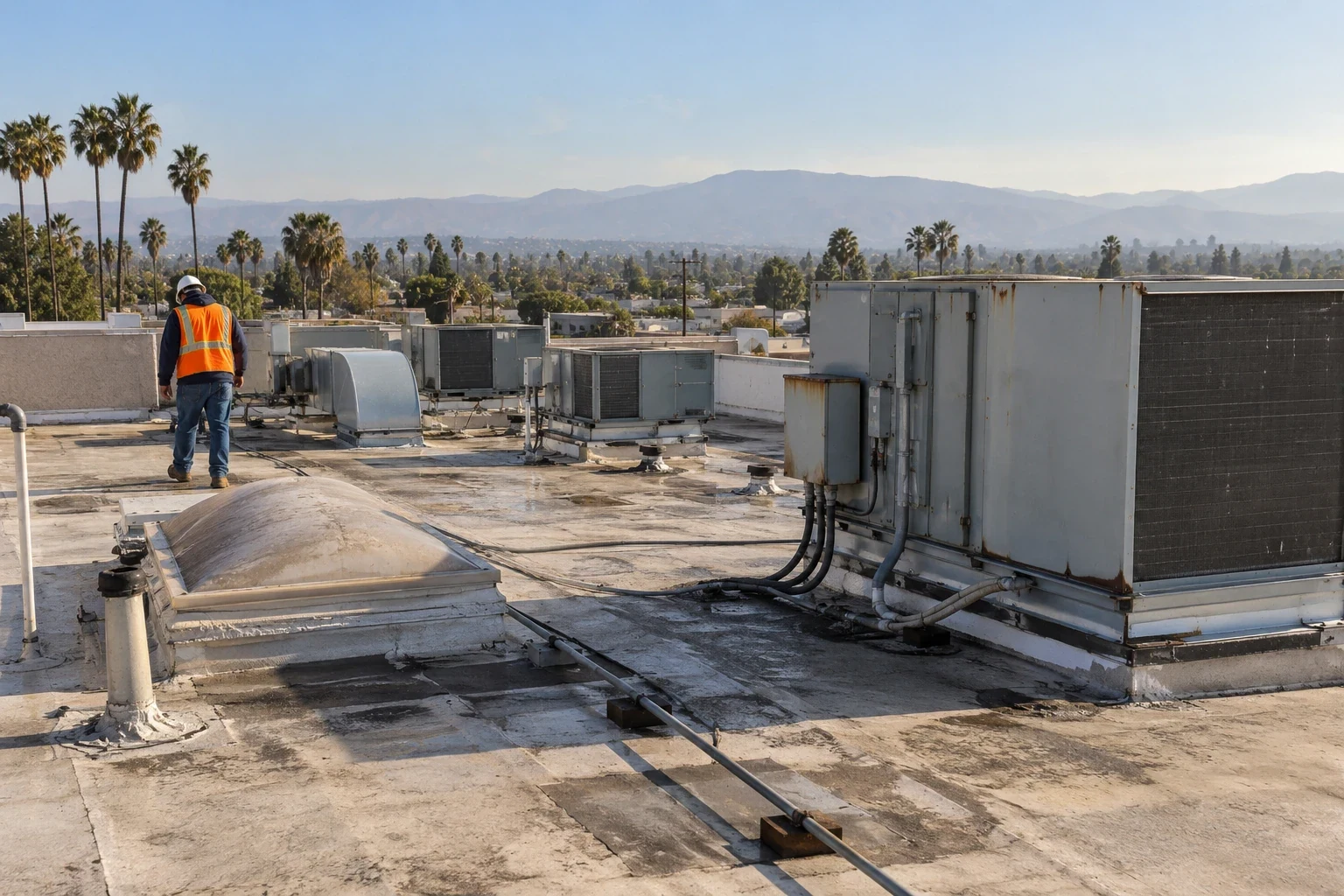
Capital planning starts when a roof item competes with other work for the same budget. Hesperia's normal December overnight low is 35.2 degrees, with 1.23 inches of normal precipitation. Winter conditions shape roof access and drainage review; the section's field condition drives the funding decision. We compare repairable conditions, assembly limits, access needs, and what evidence remains missing. The result is a decision path with near-term work, planned renewal, and a defined point for review, rather than a single replacement date assigned to every roof.
Urgent Failures Lead the Budget
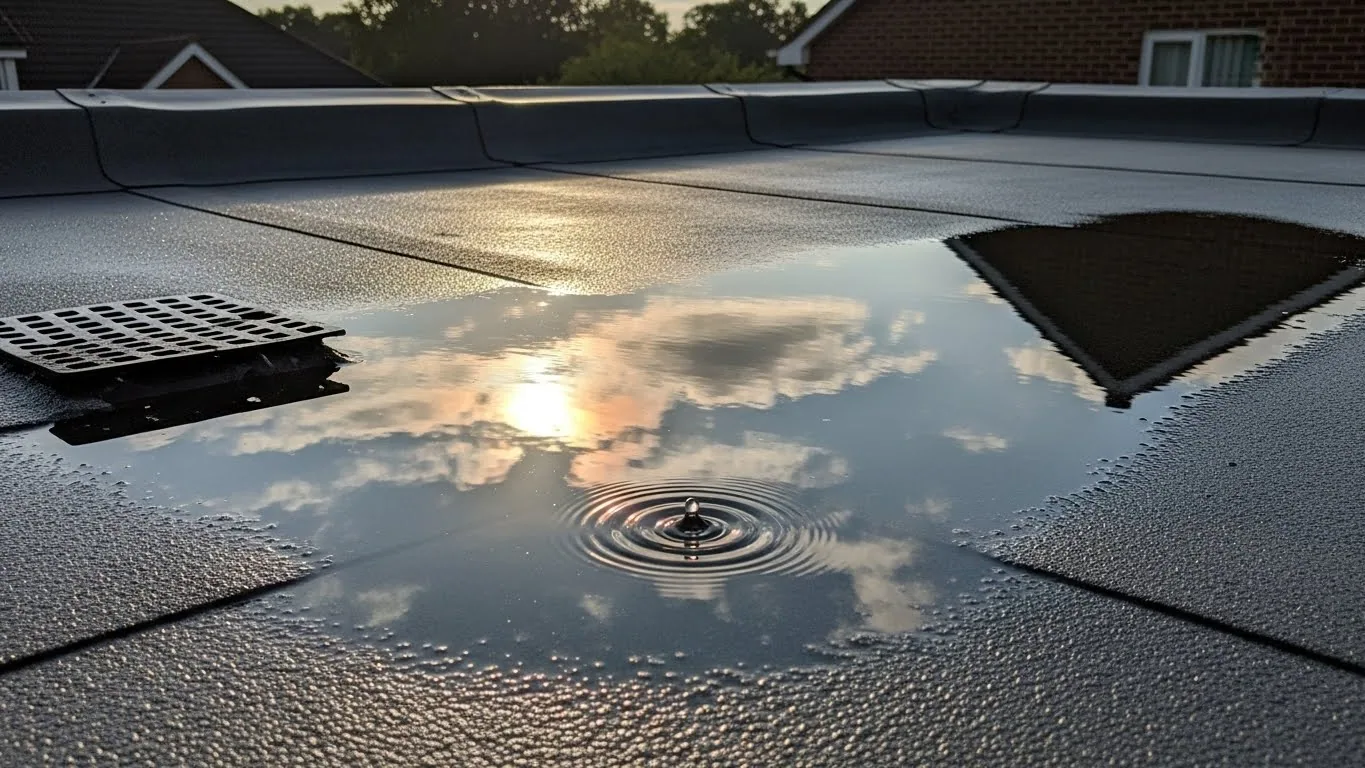
A capital list should make the immediate roof risk visible without turning every observation into an emergency. Active water entry above sensitive space, a failed tie-in, or a drain path that cannot move water may need a prompt repair. Surface aging without an open failure may call for monitoring or a broader evaluation. We document the observed condition, the likely consequence of waiting, and the next evidence needed. When a repair boundary is clear, it stays separate from the long-term replacement estimate.
Hesperia approved four industrial warehouse buildings totaling roughly 720,000 square feet in 2025. Other industrial projects are progressing along I-15 and Highway 395. Owners planning an expansion can list roof work alongside access, loading, and future tie-in needs. That growth makes coordination worth considering when a capital project touches an active facility or adds a roof section that needs its own baseline.
Roof Sections Set the Schedule
A building-wide age field can hide different roof histories. An older membrane, a newer addition, and a replaced mechanical bay may have different remaining repair options. We divide each project into sections and note the substrate, insulation, drainage, penetrations, edge details, and any prior opening or patch. If the installation date is not supported by records, we identify it as unknown. A focused condition report can then connect photographs and measurements to a defined roof area, not an assumed lifespan.
Heat exposure matters most at the details that move or remain exposed: seams, curb flashings, termination bars, metal laps, and sealant joints. Hesperia's normal August daily high is 97 degrees. Schedule closer observation of exposed seams and curbs before peak surface heat, then use field conditions to set the repair boundary. If a section shows movement-related separation or surface cracking, the scope identifies what needs repair and what remains serviceable. A heat and UV damage review may clarify a localized condition before it is placed in a capital program.
Scope Defines the Budget Range
Two roof proposals are comparable only when they address the same work boundary. A patch can exclude saturated insulation, edge metal, drainage corrections, or after-hours phasing. A replacement scope can differ in tear-off depth, cover board, attachment, perimeter details, and protection of equipment. We lay out the work being considered and the conditions that could change it. That makes the budget more useful. A narrow initial scope can leave a known condition for a later request; the comparison should state what the current price includes and which open item needs separate approval.
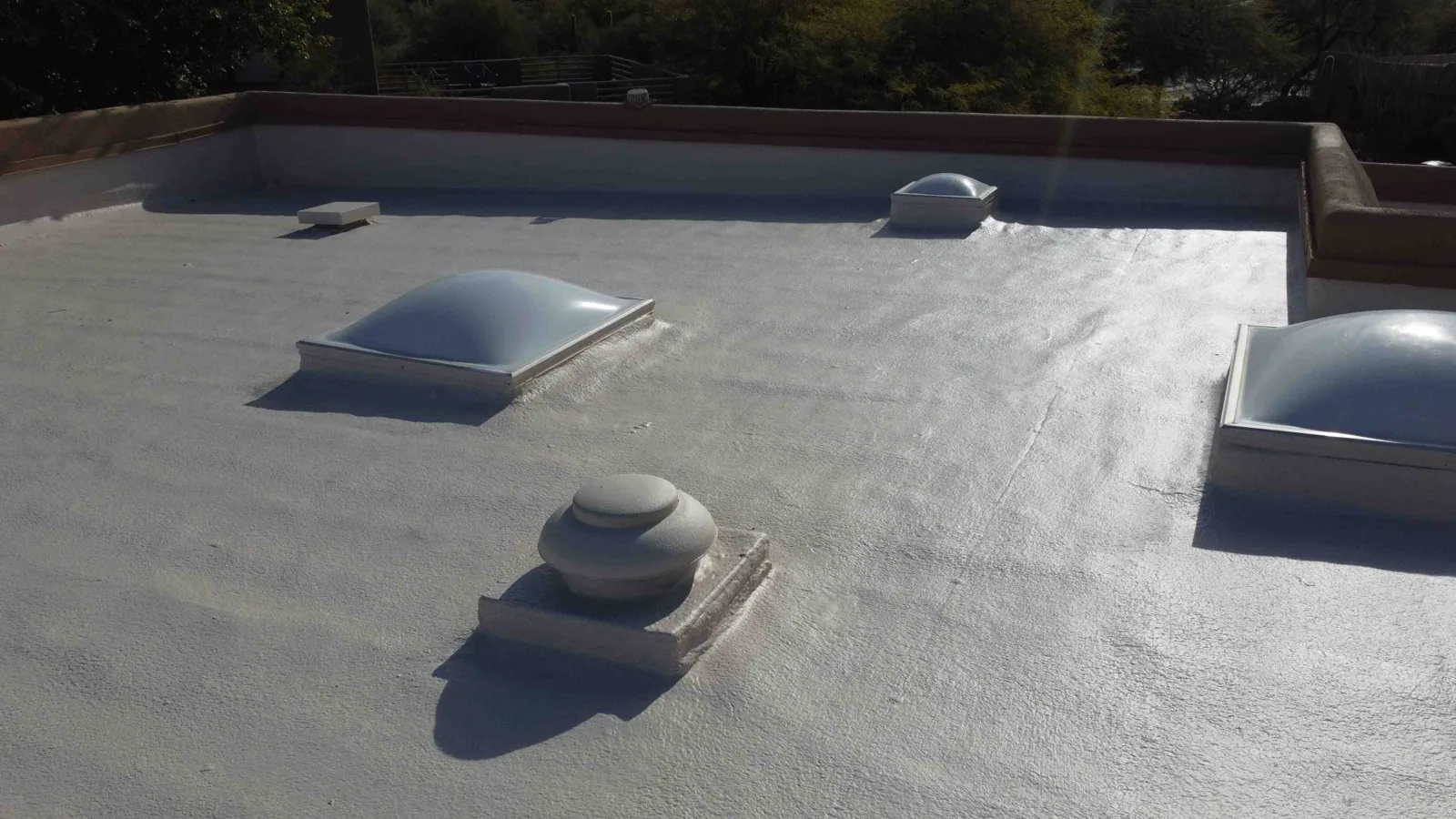
Timing includes more than crew days. Material lead time, hot-weather work windows, access restrictions, crane or lift use, tenant activity, and the close-in point all matter. If a building remains occupied, a planned replacement sequence can phase sections to preserve operations where practical. A coating option may be relevant only if the existing assembly and surface meet the system requirements. We explain what conditions each alternative assumes, then identify the inspection or test that would confirm them.
Targeted Tests Answer Costly Unknowns
A capital recommendation can change when a test opening reveals wet insulation, multiple roof layers, or a substrate condition that was not visible. We identify those uncertainties before the owner treats a preliminary number as a full scope. If a test is warranted, its location and repair boundary are agreed before opening the roof. The review records what was found and whether the original option still fits. That approach helps avoid carrying a broad contingency for an unknown that can be answered with a targeted check.
For a single section, a commercial roof inspection may establish the visible condition and repair priorities. For a purchase, refinancing, or portfolio decision, a due diligence survey can focus on near-term obligations and documented scope limitations. We distinguish those purposes because they answer different questions. A planning file can show both the immediate roof work and the evidence still required before setting a larger capital amount.
Review Points Keep the Plan Current
Once roof sections are ranked, make the record usable between budget cycles. Store the approved scope, completed work, principal cost drivers, and review date with the relevant asset. For a multi-property owner, common fields make records easier to compare, while each building keeps its own assembly and condition history. Hesperia's industrial pipeline spans about four million square feet across projects entitled, under entitlement, or under construction. Each property still needs its own inspection and scope. A roof asset register can hold the work history behind each budget entry, so a manager can distinguish a planned allowance from work already completed.
A Capital Review Records Triggers
Set the next review date to the decision still pending. A section awaiting test results returns when the findings arrive; a planned addition returns when its roof tie-in can be scoped; a stable area stays on the scheduled condition review. Name the person who receives each update and the record that must change. This keeps budget timing connected to a specific event without treating a forecast as a replacement promise. When the review date arrives, compare the current condition with the prior scope before moving the project to another budget year.
District Access Shapes Staging
Hesperia's Highway 395 and I-15 District is a business-park area with industrial uses. For a capital review, access and staging shape the schedule, while the building's roof condition sets its work scope. We document the actual access route, delivery periods, sensitive equipment, and close-in requirements for the building under review. Those details help an owner compare a phased repair with a full section replacement without assuming the same schedule fits every property.
Commercial Roofing Questions
How should we rank roofs when the budget is limited?
We compare active failure, consequence of water entry, repairability, and the time needed to make a larger decision. A section with a contained issue may stay in maintenance while a compromised tie-in or wet assembly moves into a near-term scope.
Does an age estimate set the replacement year?
No. Age is one record field, not a condition verdict. We review the membrane, seams, flashings, drainage, repairs, and any test results, then identify the evidence that supports repair, monitoring, or renewal.
Can coating work be included as a capital alternative?
It may be considered when the existing roof, surface condition, attachment, drainage, and system requirements support it. We state the preparation and repairs included, along with conditions that would rule it out.
What changes a budget after the first review?
A test opening, confirmed wet insulation, hidden layers, substrate damage, equipment conflicts, or required access changes can alter scope. We identify those items up front and update the comparison when new evidence changes the work boundary.
What should I provide for a capital review?
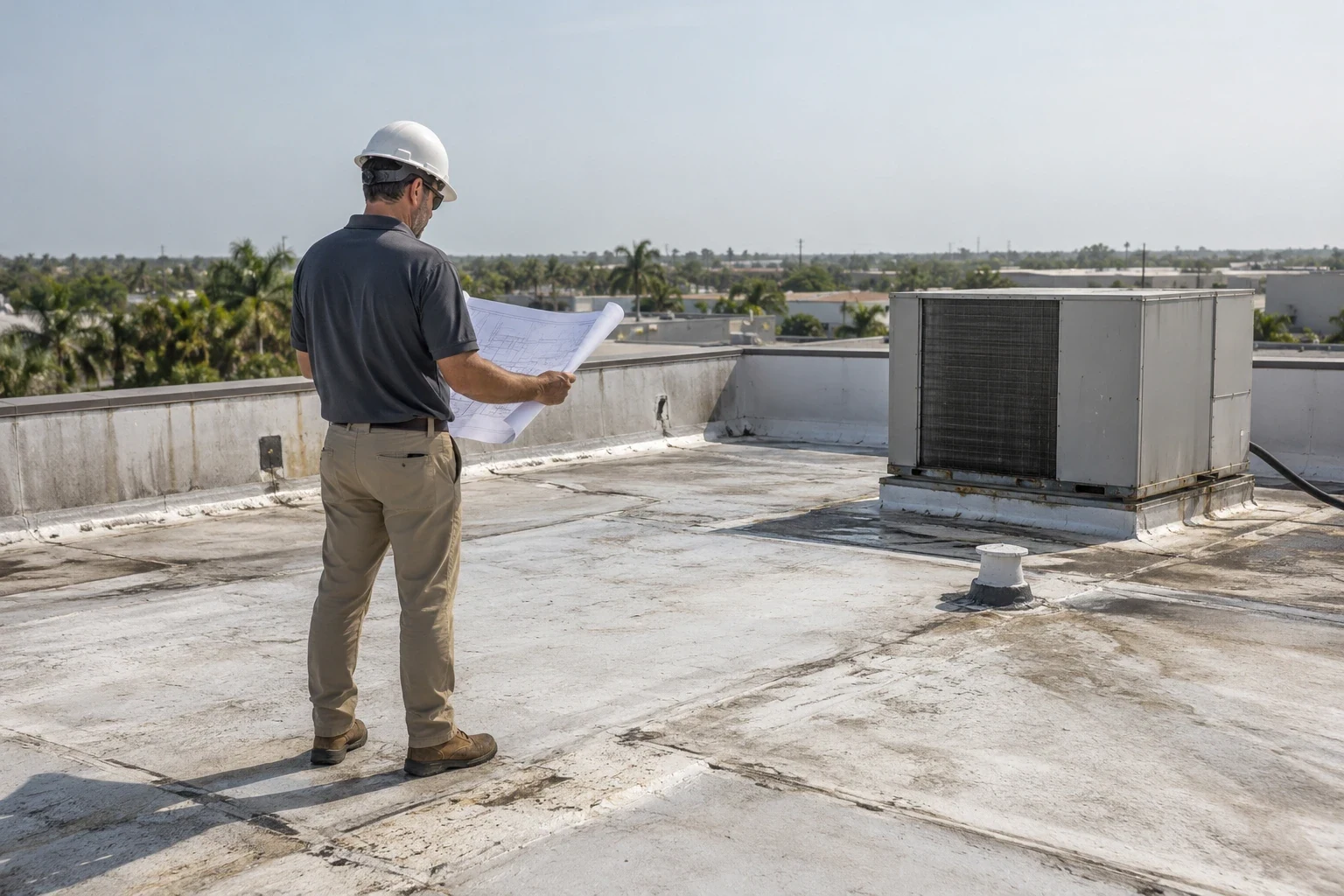
Send roof plans or prior reports, any known leak or repair log, the budget timing, and the access contact. We can separate the immediate condition review from the longer-range scope and show what still needs confirmation.