Commercial Roof Due Diligence Surveys in Hesperia, CA
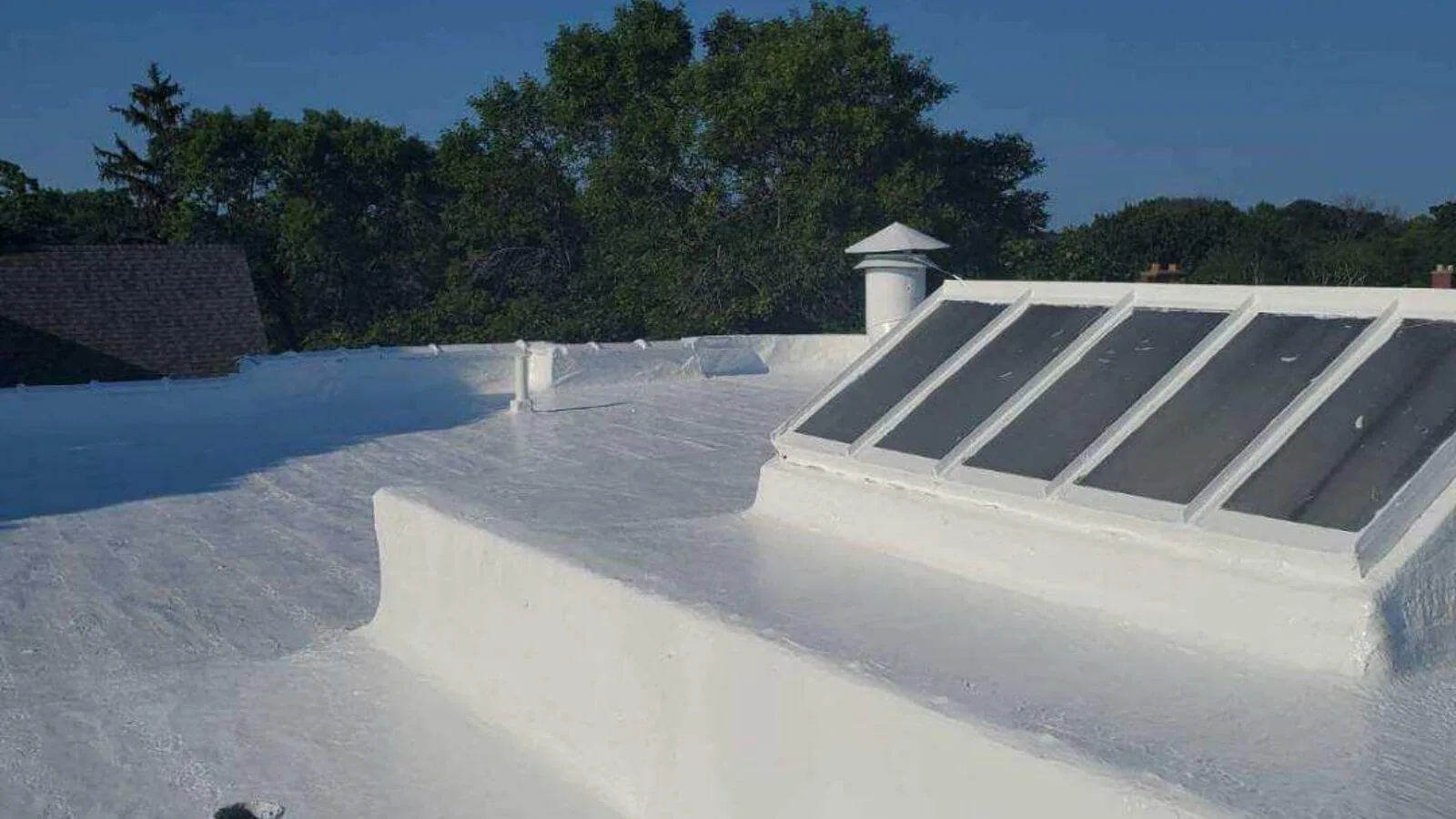
A roof survey for a purchase or refinancing gives the buyer a dated view of visible conditions, near-term work, and open questions. In Hesperia, warehouse development near I-15 and Highway 395 makes access, phasing, and roof records practical due-diligence items. Hesperia's normal August daily high is 97°F; repeated summer heat can stress exposed roof transitions and sealants. We inspect the accessible assembly, identify material and drainage observations, document visible defects, and state which questions need testing. The buyer receives a defined snapshot with limits and next steps.
The survey follows the transaction timeline
The survey scope changes with the transaction. A buyer may need a near-term repair list before an offer deadline; a lender may need a condition summary; an owner may need to compare a roof allowance with a planned replacement. We first confirm which buildings and roof sections are included, what records are available, and when the decision must be made. For an area unavailable during the agreed window, the report states what was reviewed and what additional access a broader decision requires.
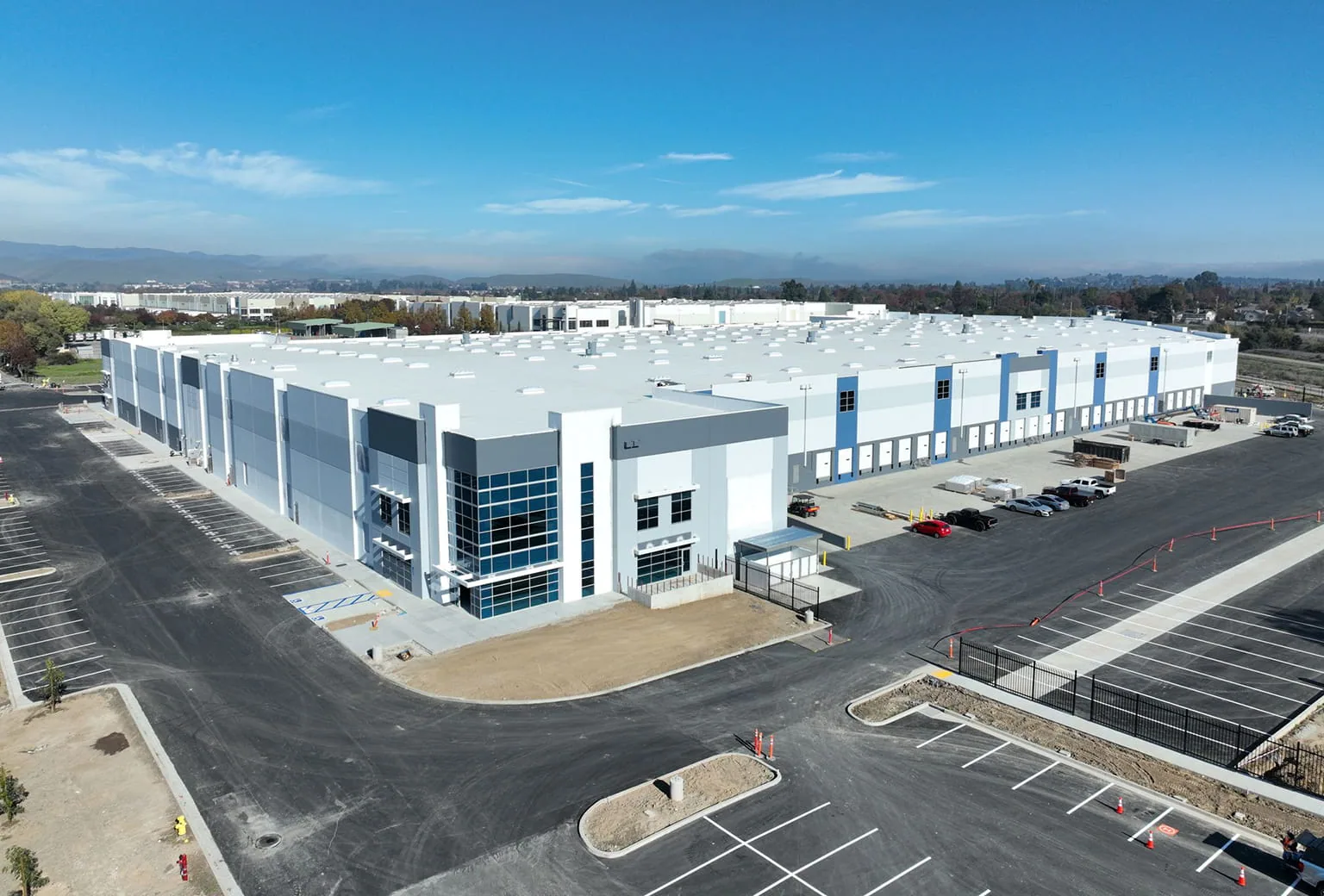
During 2025, Hesperia advanced entitlement approvals for four industrial warehouse buildings, roughly 720,000 square feet in all. Additional warehouse proposals near I-15 and Highway 395 were in different stages, from entitlement to construction or approval, with designated truck routes serving the corridors. That development context can make phasing and additions relevant transaction questions. We identify each visible roof area, distinguish original and later work where records allow, and list unresolved history for review.
The record starts with the visible assembly
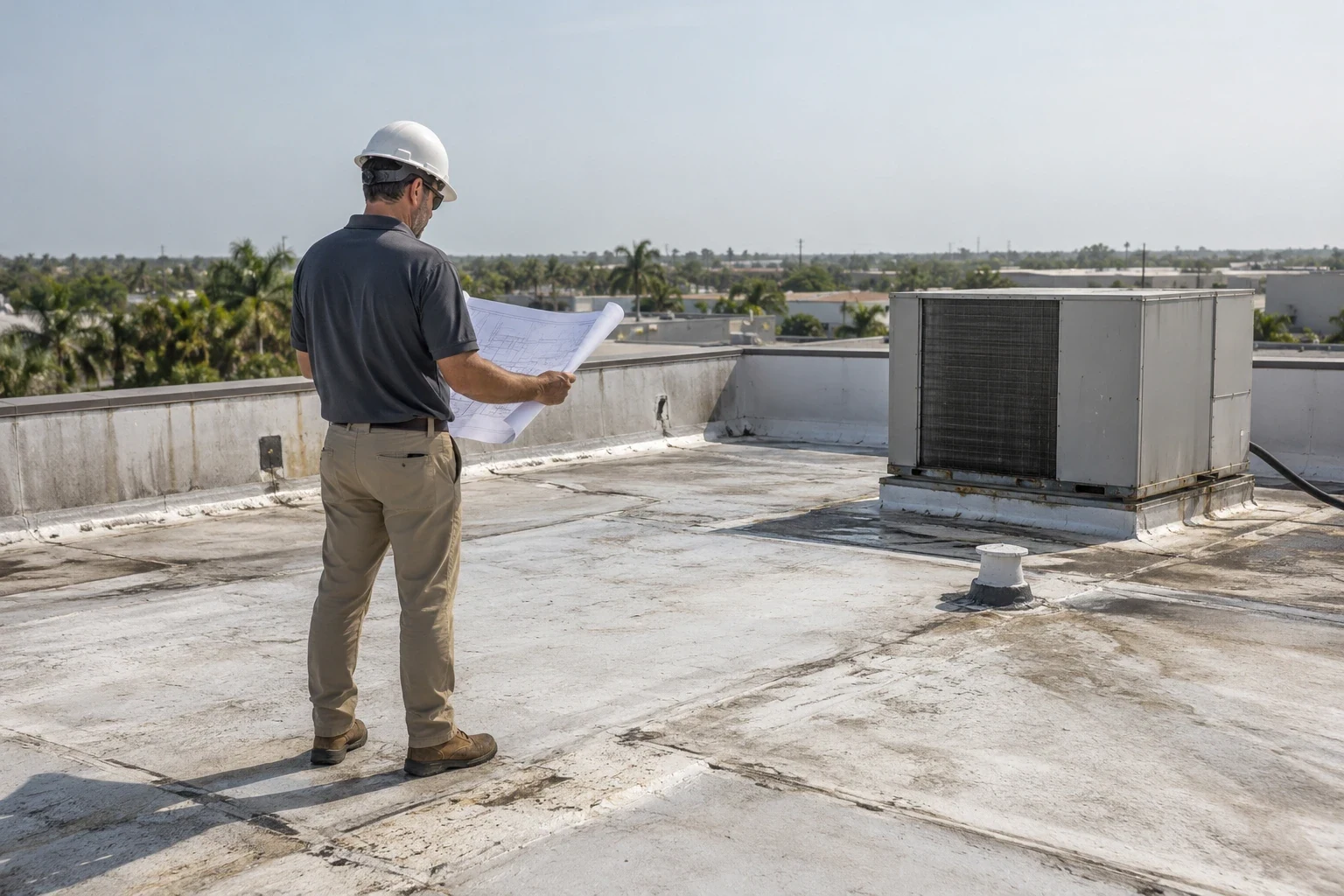
A survey records the membrane or metal visible at the surface, seams, flashings, drains, penetrations, edge conditions, rooftop equipment, and access. Where roof plans or prior reports are supplied, we compare those documents with field observations and note differences. Compare invoices and product data with the visible assembly, and flag any mismatch for follow-up. If the surface is covered by a coating, pavers, equipment, or another layer, we state the effect on visibility and any further review needed.
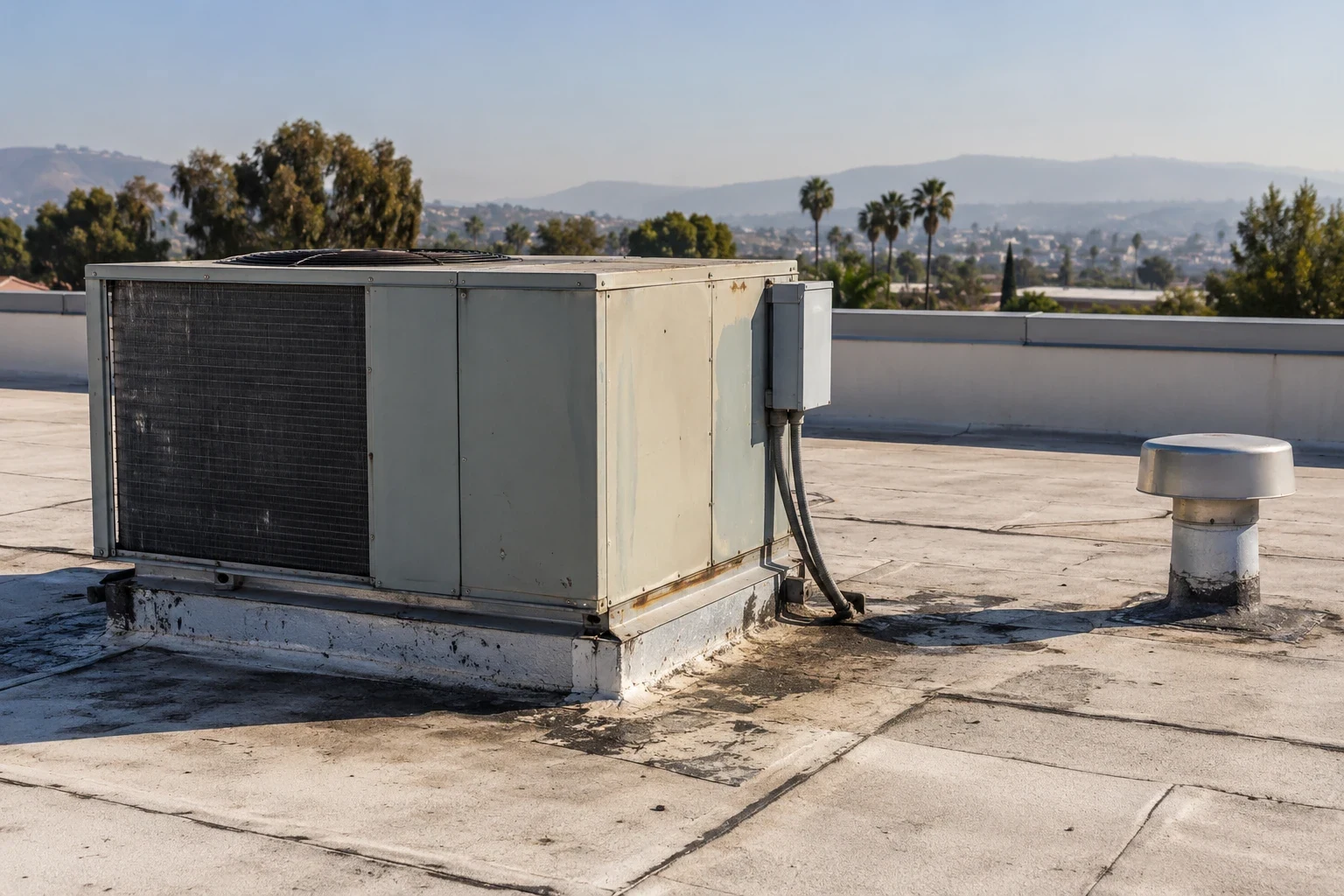
Summer heat makes exposed transitions and sealants useful checkpoints during the roof walk. During a survey, we look for movement, separation, brittle or displaced material, and repair history at those details; the report ties each observation to the roof section and photos. Pair close details with a wider roof view so a buyer's team can locate each finding during follow-up.
The report separates repairs from allowances
A loose flashing edge can be scoped from visible dimensions, tie-in material, and access. Concealed moisture may require a survey or test opening before removal can be priced. Connect each unknown to the decision it affects: whether a buyer can approve a local repair, set an allowance, or needs more access before closing. Summarize near-term work by roof section, including the repair boundary, insulation removal if confirmed, drainage changes, and edge details. A moisture survey can target a test area; a condition report can establish a broader operating baseline. Choose the tool that answers the transaction question and state the next decision it supports.
Compare estimates on the same basis before using them in a transaction allowance. Note whether each price includes tear-off, insulation replacement, drainage work, perimeter metal, equipment curbs, interior protection, and disposal. A lower number may describe a smaller repair boundary rather than the same renewal scope. Record the roof area and quantities that support each alternative, along with lead time and the building access needed to complete it. If the closing date falls before testing can be completed, list the open item, who controls access, and whether the buyer or seller will arrange the next step. That gives both parties a specific question to resolve instead of a broad contingency.
Access limits shape the survey
Roof access can be a transaction constraint. A tenant schedule, active loading area, rooftop equipment, or security process may limit when a section can be opened or photographed. We record the route, escort or contact requirements provided, staging limitations, and what will be protected during a test. Cajon Pass, I-15, and Highway 395 connect the High Desert with Inland Empire and Los Angeles freight markets. For the asset under review, confirm the allowed entrance, access route, staging limits, and roof conditions before opening or lifting materials.
Timing and cost depend on findings, roof configuration, staging, removal depth, insulation condition, tie-ins, and whether operations must remain active. A priced scope lists the work boundary, quantities, access, and assumptions separately from any transaction allowance. If the property has multiple roofs, a multi-building review can organize the information, while a capital plan can stage work after the transaction.
When several buildings are included, separate them by roof system, visible condition, and operational priority. A single portfolio average can hide a section that needs immediate drainage work while another remains suitable for monitoring. Mark the building that needs a second visit and the item that would change its repair allowance.
The findings carry through ownership
The transfer should preserve the difference between an observed roof condition and a buyer allowance. Keep the inspection date, sections reviewed, available records, photos, and defined repair scope with the property file. After acquisition, facilities staff can request an updated roof inspection, place the asset in preventive maintenance, or price a defined repair, based on what the survey found. Tie each action to the documented roof zone and record changes made after closing. Hesperia's Highway 395 and I-15 District includes industrial and business-park planning; current roof condition and test results still determine the scope for the asset under review.
The file keeps each finding traceable
Use the seller's file as a dated reference, not a substitute for current observations. Compare prior photos, inspection coverage, repair dates, and affected sections with this survey. If an older report omits a building or predates a major repair, mark that gap and decide whether it changes the allowance. Keep the plan mark, image identifier, and scope quantity together so a buyer can verify a finding without relying on an email summary.
The handoff assigns each open question
Before the closing file is finalized, assign unresolved items to the party able to act. The seller may provide plans or repair invoices; the buyer may control a second inspection or test opening after possession. Record who arranges access, the needed date, and which scope decision awaits the result. Keep ongoing maintenance separate from any transaction repair obligation.
Commercial Roofing Questions
Can a survey rule out future roof problems?
No survey can establish every future condition. We document accessible areas, visible findings, records reviewed, and limits, then identify testing that could answer an important concealed-condition question.
What can a buyer do when the seller has no roof drawings?
We can document the visible assembly and mark uncertain boundaries or system details. If those details affect scope, we identify the records or test opening that would resolve the uncertainty.
Can a survey include a repair estimate?
A survey can identify and define near-term work. A price requires a scope, access assumptions, materials, and any test results that affect removal or tie-in. We keep those steps clear for the transaction.
Should we inspect every roof section before closing?
The scope should match the property decision and access available. We list sections reviewed and those omitted, then explain what additional access would be needed before treating the record as portfolio-wide.
What should the buyer provide?
Provide the property list, available roof plans and prior reports, transaction timing, known leak history, and an access contact. Those details help focus the survey on the buildings and questions that matter.