Membrane Puncture Roof Repair in Hesperia, CA
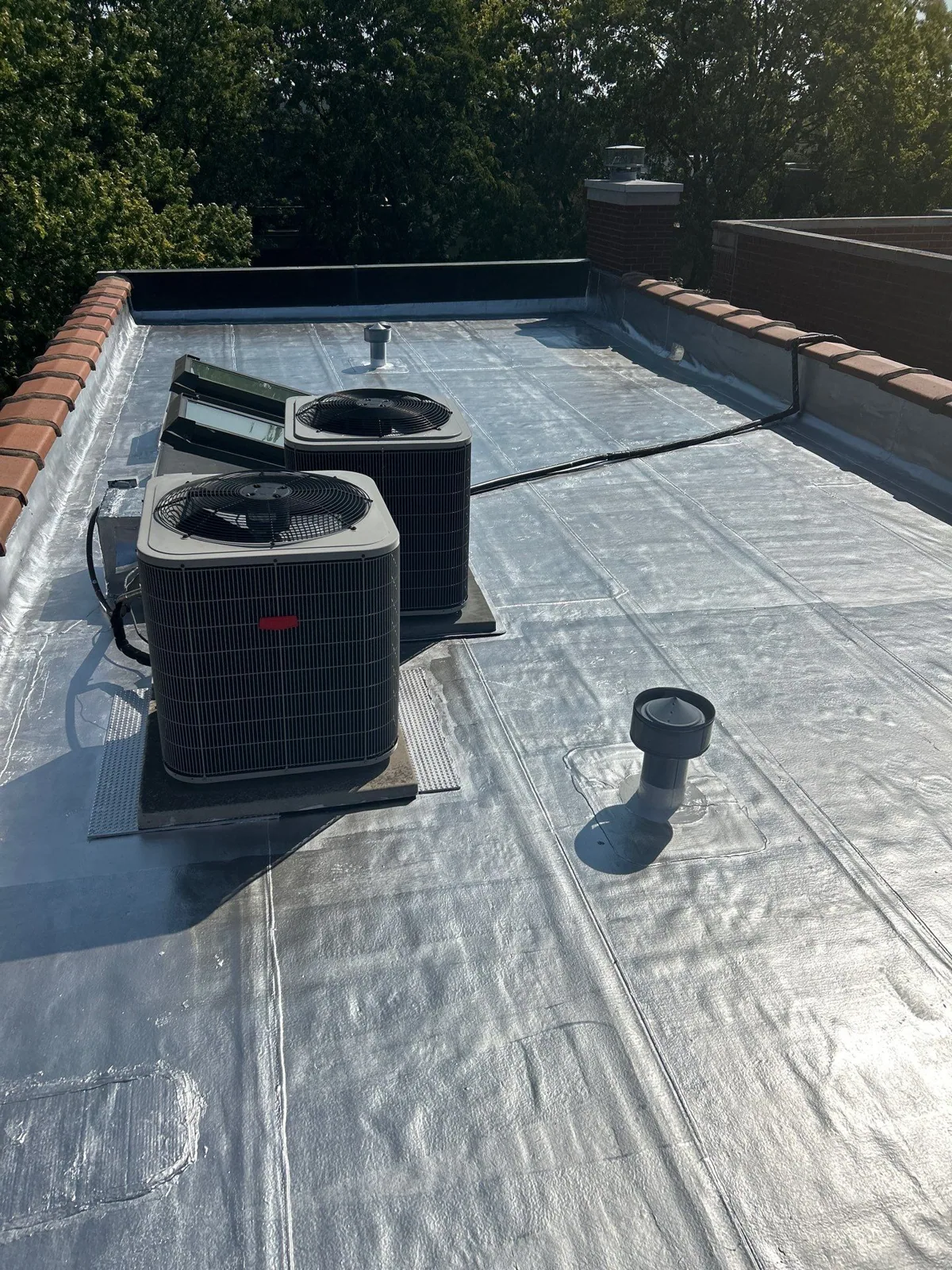
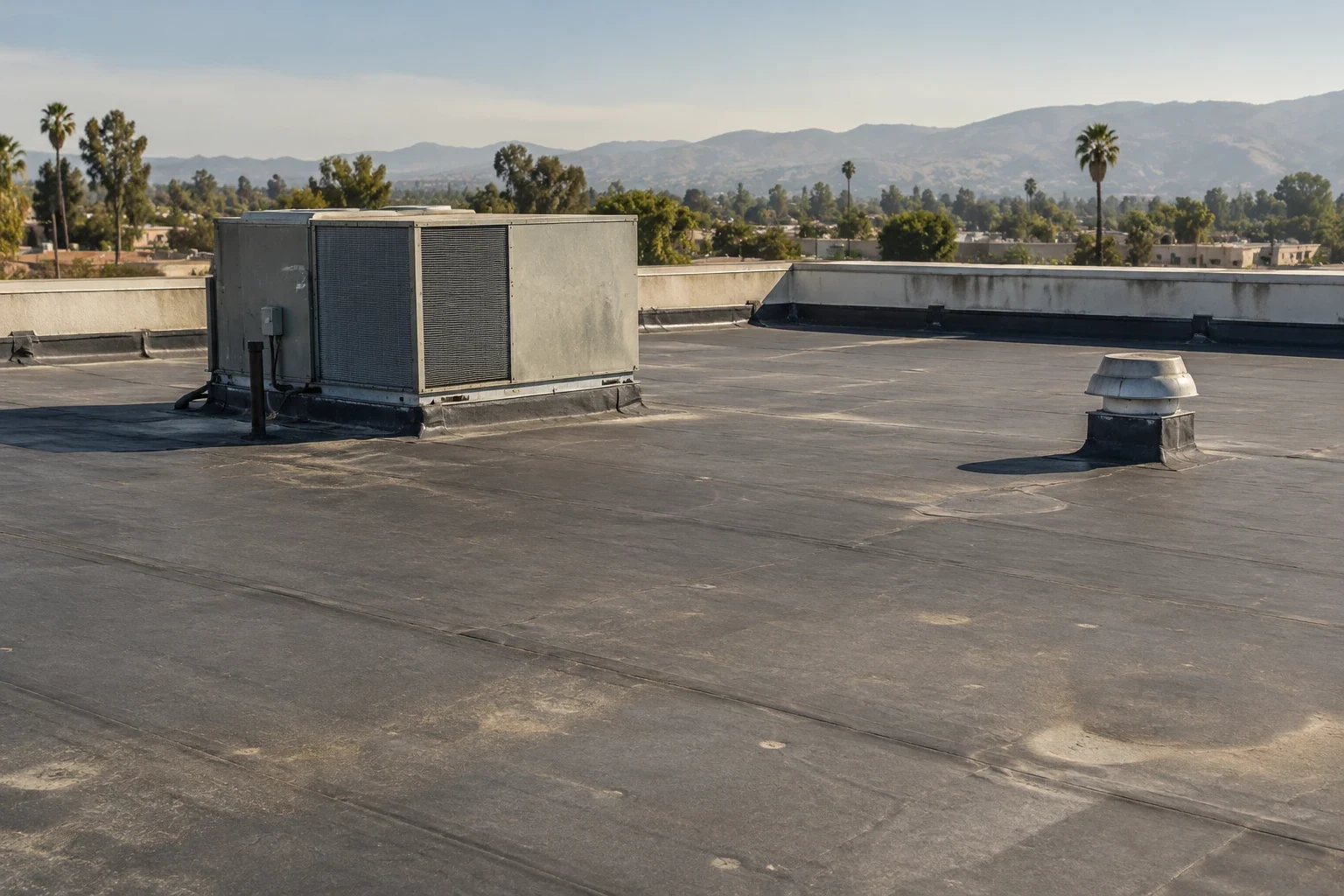
A puncture needs a repair that reaches intact material around the opening without trapping water below the membrane. Start by confirming the roof type, reported location, and any recent trade work in that zone. We inspect the sheet, substrate, and nearby seams, then mark the test boundary before preparing a repair. A small hole can still expose insulation or deck, so appearance alone does not establish that the surrounding assembly is dry. The closeout should show the actual opening, material condition, repair layers, and any area left untested.
Locate the full impact area
We inspect beyond the visible hole for scuffs, cuts, displaced surface coating, and damage at nearby seams. A puncture may come from a dropped object, a fastener, rooftop work, or sharp debris, but we document the condition rather than assign a cause without evidence. We check the underside if accessible and compare the impact with any interior moisture report. Then we note the membrane type, surface condition, and nearby attachment or flashing. A repair boundary should extend onto clean, stable material; the goal is a verified bond rather than a patch sized only to the opening.
Puncture repairs can be harder when the opening has been covered by dirt, a coating, or an older patch. We clean only the test area first and check for edge tears that extend beyond the pinhole. A patch needs sound membrane at every side and enough room for the system’s required bond or weld. We document dimensions and the roof material so another service team does not mistake the repair for original membrane or puncture the same section during later work.
Protect the roof during active operations
Roof access planning matters when maintenance and deliveries share a busy property. Hesperia's mapped truck network includes Bear Valley Road and portions of Santa Fe Avenue, but the site contact must identify the gate, roof hatch, and internal route for each building. We ask whether HVAC, solar, or other crews recently worked near the puncture and whether loose fasteners or cuttings were removed. At the Hesperia Industrial District, that coordination can help separate a roof defect from damage associated with active trade work. We mark suspected impacts on the roof plan, inspect the route where work occurred, and limit the repair to damage verified in the field.
For a roof near the Highway 395 and I-15 District, confirm the property's own loading point and safe roof route before work.
Check the layers below the hole
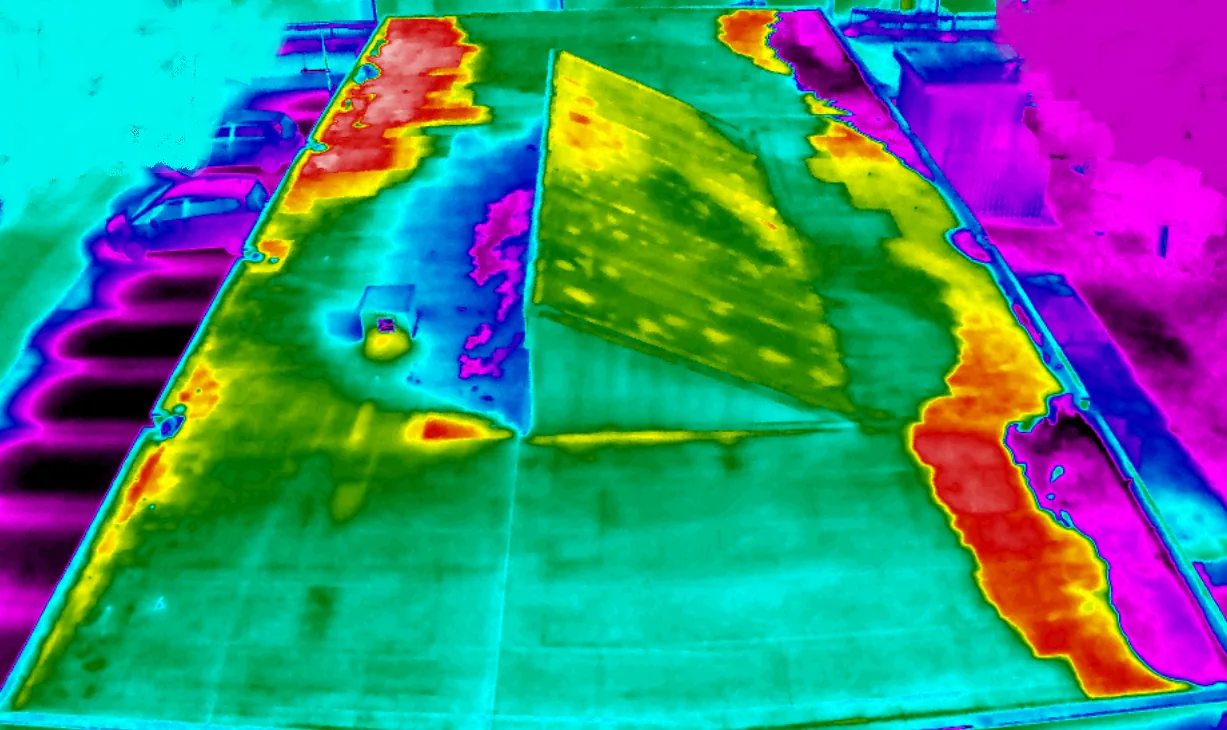
Water can spread into insulation beyond the puncture, especially if it entered during earlier weather. We look for soft cover board, wet insulation, displaced vapor retarder, and staining beneath the opening. The visible hole does not tell us how far moisture traveled. The December precipitation normal for Hesperia 2 E is 1.23 inches. For an open puncture, we control exposure promptly and define the permanent repair from the tested boundary. Where conditions are uncertain, a test opening gives a more direct answer. We record the opened area so any additional removal is based on findings instead of guesswork.
When the surface is hot, flexible membrane can feel different from the same material early in the morning. We record conditions that affect preparation and choose a repair window within the material requirements. The repair must not trap moisture or bridge over a wrinkle that can pull the patch loose. We confirm the substrate is stable and dry, then check the completed edge using a method appropriate to that roof system.
Use material that bonds to the membrane
TPO, PVC, EPDM, modified bitumen, and other roof systems require different preparation and repair methods. We identify the system from records, markings, or a small safe test, then clean and prepare the area according to the compatible repair detail. If a coating or previous patch covers the surface, we check whether it can be removed without weakening the sheet. Our EPDM roof system is one low-slope option, and infrared moisture survey work can help map suspect insulation when conditions allow. The findings determine whether a patch alone is appropriate.
If testing shows wet insulation, the opened area should be controlled and protected while the owner reviews the next scope. We identify the wet layer and the boundary that was actually observed, then describe how the material will be replaced and the roof closed. This avoids treating the puncture patch as the entire solution when water has moved below it. The owner can authorize the defined repair area and request a separate investigation if additional moisture is suspected.
A puncture repair should also identify its curing or cooling interval, any required protection from foot traffic, and the condition that signals a failed patch. If the property team schedules another trade above the same section, mark the repaired footprint so that work can avoid it. These details make a small repair traceable without suggesting that an untested area was restored.
Before cutting, set out clean tools, compatible patch stock, and the materials needed to restore the surface at the end of the visit. Mark the perimeter on a roof plan and photograph both the exposed layer and finished repair. If the membrane cannot be prepared under the product requirements, protect the area and reschedule rather than seal over dust or moisture. A later inspection can then compare the same location and confirm whether the patch edge remains sound.
Set the limits before removal
Price depends on whether the puncture is isolated, the surrounding membrane remains sound, and insulation or deck requires separate work. We record preparation, compatible repair material, labor access, and the time needed to complete a dry close-in. If testing exposes a larger problem, stop at the agreed boundary, photograph the layers, and obtain direction before adding removal. The roof repair service can document a patch and any confirmed adjacent work. A nearby seam separation or reported wind opening receives its own inspection note; those conditions do not automatically belong in a puncture estimate. For active water entry, the emergency roof repair team can help define immediate protection while the permanent scope is established. The property contact confirms delivery, roof access, and staging before materials arrive.
Commercial Roofing Questions
How quickly should staff address a small membrane puncture?
The urgency depends on whether the opening is active, whether moisture is present below it, and whether rain or washdown could reach the assembly. We document the condition and recommend temporary protection when needed. A small exposed area is easier to control before water spreads into insulation or reaches occupied space.
How do you choose a patch material?
We first identify the roof membrane and check what is bonded around the puncture. The repair method must be compatible with that system and reach sound material. Records, membrane markings, and a controlled test can help identify the correct process when the surface has been coated or patched previously.
Will you replace wet insulation under a puncture?
We confirm moisture extent before setting the removal area. If an opening shows wet insulation, we map the affected layers and describe the close-in work required. A dry puncture may need only a surface repair; a wet assembly needs the source sealed and the affected material addressed.
What details help you inspect a puncture?
Send the property address, roof plan if available, the location of the reported impact, the date it was found, and an access contact. Mention recent rooftop trade work and any interior symptoms. Photos can help us bring the right test and patch materials, but the roof condition determines the final boundary.