Fire Damage Roof Repair in Hesperia, CA
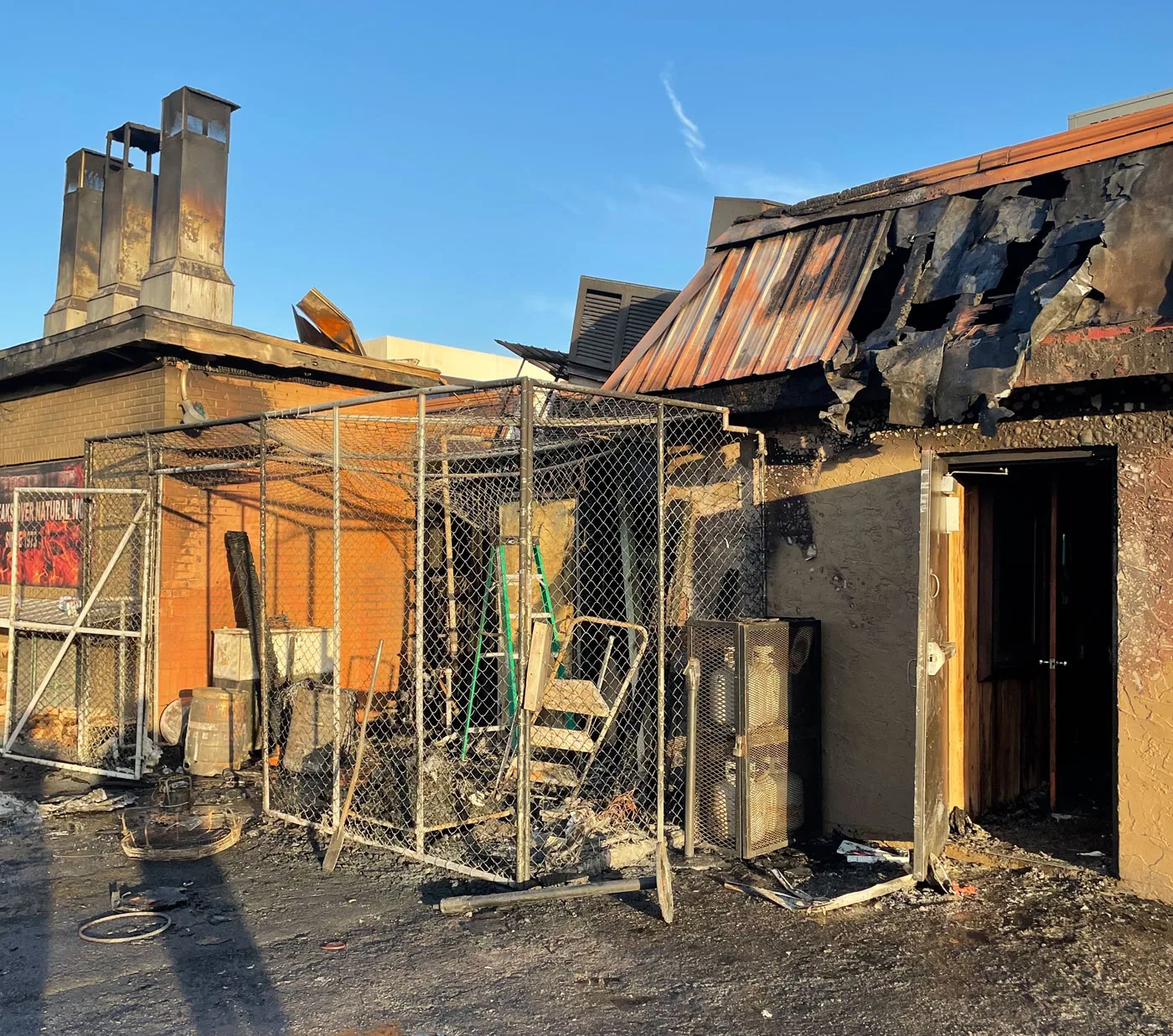
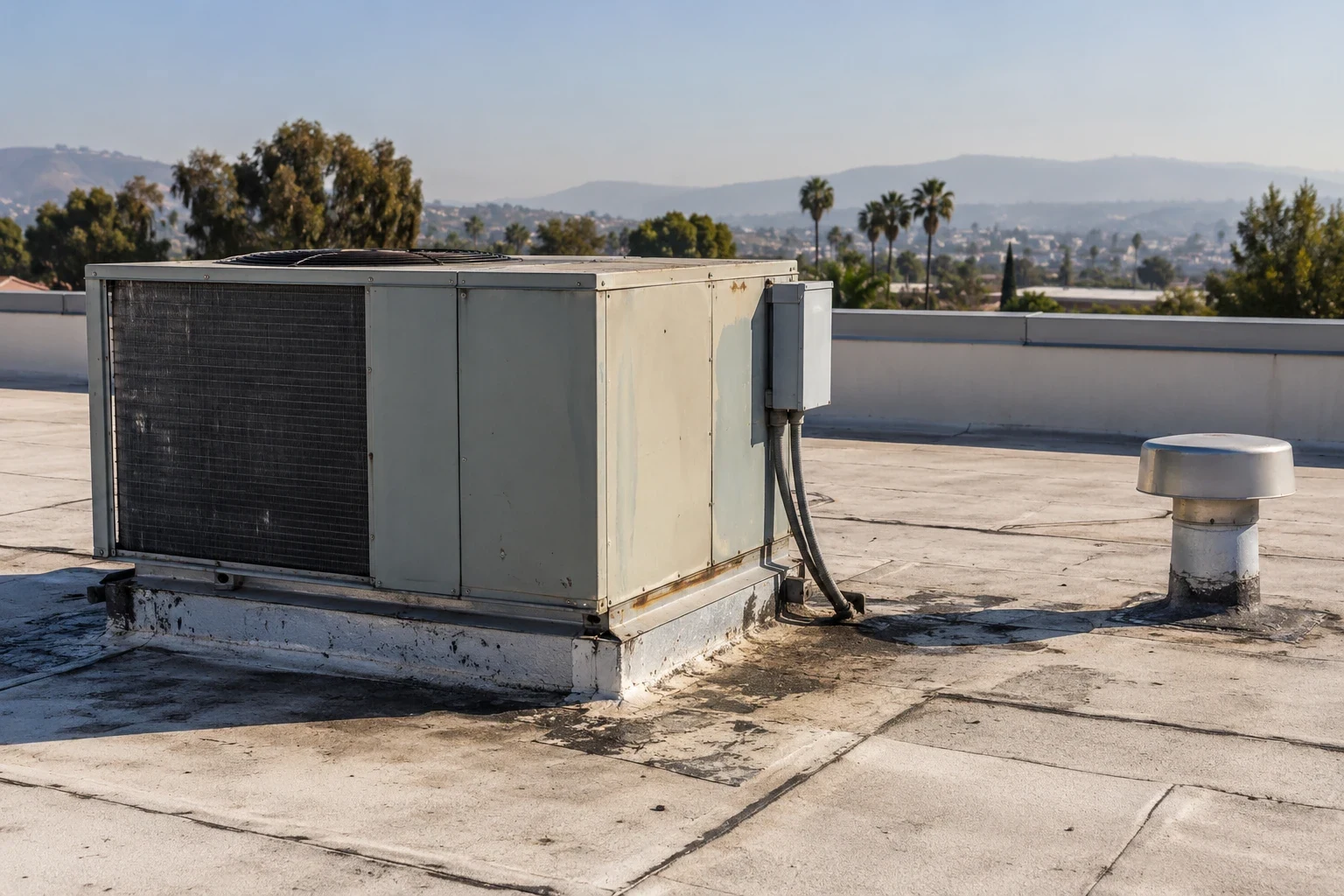
After a fire, a roof can show heat exposure beyond the visible burn mark. Membrane distortion, blistered coatings, damaged flashing, and smoke or suppression water each require a different inspection note. We begin with safe access and an agreed area, then document what can be seen without disturbing unstable material. Hesperia’s August normal daily maximum is 97.0°F, while its December normal daily minimum is 35.2°F; those local temperature normals inform material handling and work scheduling, but they do not establish the cause or extent of any damage. For a property in Hesperia, CA, the repair record should separate observed conditions, test openings, and items needing a qualified structural review.
Secure the visible boundary
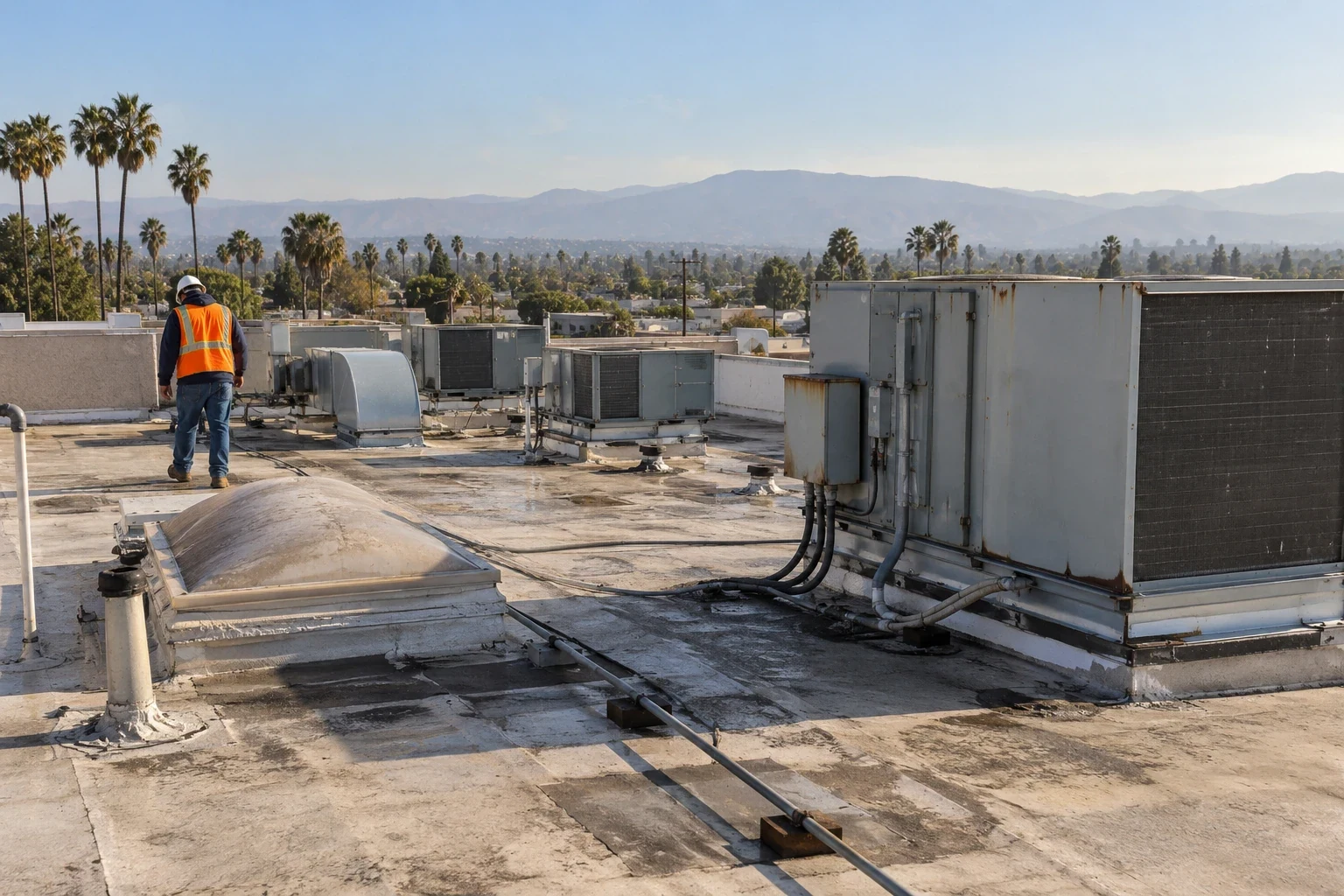
A fire-related roof review starts with access conditions and a boundary set with the property contact and response professionals. We look for membrane shrinkage, char, blistering, open seams, displaced metal, damaged penetrations, and areas affected by water used during response. We do not step onto surfaces that appear unstable or cross an uncontrolled work zone. Photographs show the accessible side of each roof section and the distance between visible damage and roof openings. If structural or electrical concerns are present, those require the appropriate specialist before roofing work begins.
The first visit does not require disturbing every affected surface. We photograph the accessible roof, note safety controls, and identify where inspection is limited by debris, structural review, or ongoing restoration. If heat has changed a membrane or flashing, the perimeter of that change is recorded before material is removed. The property contact receives a list of safe next steps and any area that requires another professional’s release before roofing work can proceed.
Coordinate around the operating site
Hesperia has industrial, business-park, regional-commercial, civic, and residential districts along the Main Street and freeway corridor. A fire-affected building may need roof work coordinated with occupants, emergency restoration, mechanical contractors, and an insurer’s inspection schedule. We identify who controls roof access and when a section may be opened and closed. Cajon Pass, I-15, and Highway 395 connect High Desert freight movement with Inland Empire and Los Angeles markets. On a working property, staging and delivery decisions should preserve access for response and building operations.
Smoke residue can interfere with adhesion even when a membrane is not visibly burned. We inspect and test a small area before selecting a patch or coating, and we keep that test separate from any cleaning recommendation. A material may appear intact but fail to bond if contamination remains. Where the roof system or chemical exposure is uncertain, we document the unknown and coordinate product or environmental review rather than claim a repair method without evidence.
Separate heat from water damage
Fire can change a roof membrane through direct flame, radiant heat, or hot gases, while suppression water can enter through openings or travel to low areas. We distinguish these observations in the photo record instead of labeling every wet area as fire damage. We inspect the membrane, cover board, insulation, deck where exposed, flashing, drains, and adjacent roof sections. Hesperia's seasonal temperature normals provide context for material handling, but do not diagnose the cause or extent of any reported event. If a test opening shows damage below the membrane, we document the boundary and coordinate the next decision before extending removal.
Water from suppression can enter through a roof opening, run to a low point, or remain in insulation. We compare roof observations with interior reports and drainage, then identify any area that needs an opening. The same opening can reveal heat damage and moisture, so we photograph each layer as it is exposed. This gives the owner and restoration team a record that separates what was removed, what remained, and the basis for any additional work.
Build a repair scope from safe findings
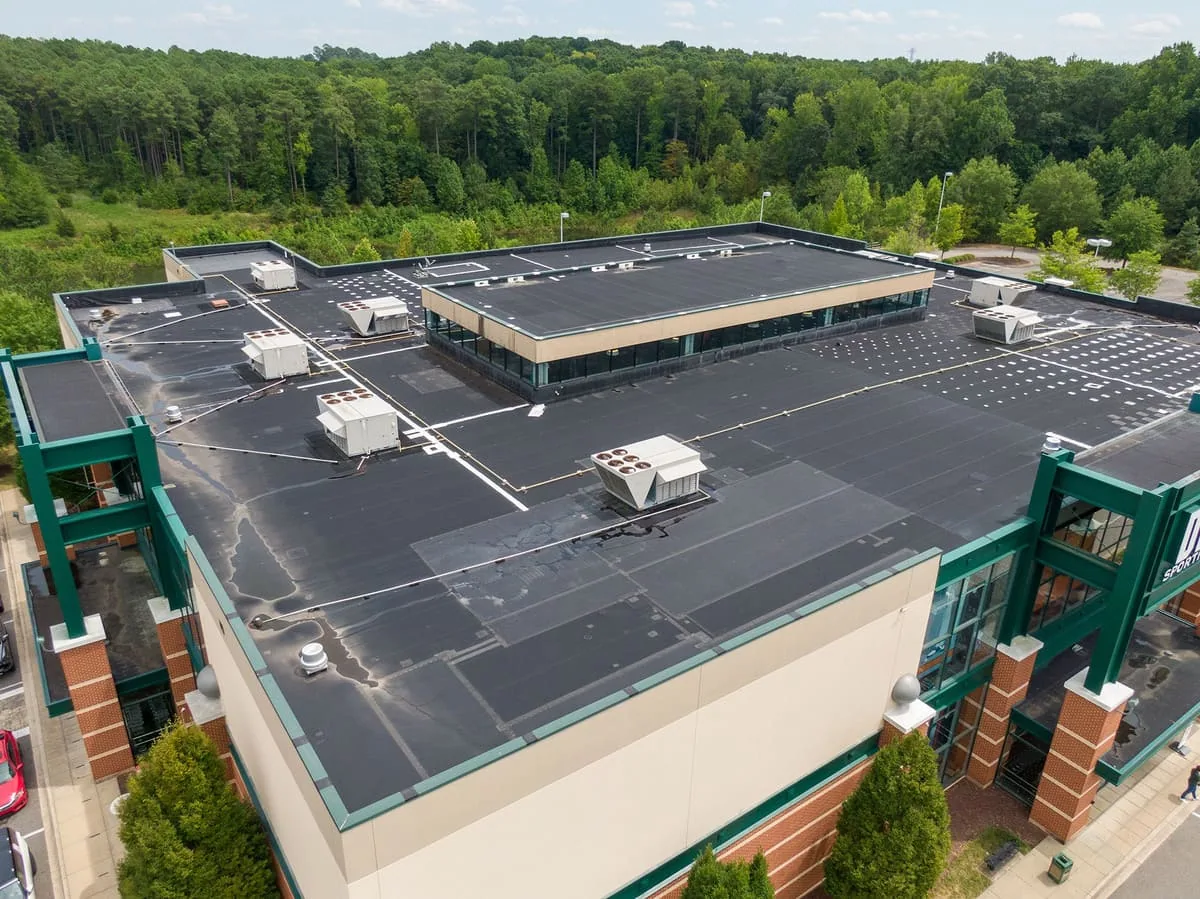
The scope may include temporary weather protection, removal of damaged membrane, drying or replacing affected insulation, new flashing, and a compatible tie-in to retained material. The roof system and structural condition determine the method. We record what was tested, which areas were inaccessible, and what approvals or sequencing remain with the owner or other professionals. Our commercial roof inspection produces a photo-based condition record; emergency roof repair can address exposed areas while a permanent scope is coordinated.
A phased repair can help an owner restore one safe section while other areas remain under review. We identify temporary protection, material lead needs, and the close-in plan for each zone. The sequence depends on site access, safe handling, weather, and coordination with other trades. We agree which party can authorize changes if the test opening finds concealed damage, then record those decisions before the roof section is closed.
Close each section with a record
A controlled repair sequence sets a work boundary, protects adjacent areas, removes only material authorized for removal, and closes the assembly with compatible components. We confirm the roof is dry enough for the selected materials and identify the close-in point before work begins. If hidden damage changes the scope, we stop at a safe boundary and document the finding for a decision. Designated local truck routes include I-15, U.S. 395, and Bear Valley Road; we coordinate delivery timing with site access contacts. The completion record includes area photos, material notes, and outstanding observations. For a larger recovery decision, a roof condition report helps separate confirmed repair work from follow-up review. A fire-related roof review can reveal damage that predates the reported event. We record any membrane puncture or wind opening as a distinct condition and keep its repair limits separate from fire recovery work. At Hesperia City Center, the closeout identifies completed work and any separate follow-up inspection.
At handoff, the roof record should distinguish completed repair from pending structural, electrical, or interior work. We list the roof sections inspected, areas not accessed, moisture or heat observations, and photos of the close-in. If the building remains partly operational, we review access restrictions with the site contact. This makes the roofing scope usable for the next restoration or maintenance decision without suggesting that a roof repair resolves unrelated fire recovery work.
Commercial Roofing Questions
Can roof repair start while fire response or restoration is underway?
Roof access has to be released by the people controlling the site, and any safety or structural concern needs clearance first. We coordinate the work boundary, temporary protection, and close-in plan with the property contact. The repair sequence follows the conditions that have been made safe and documented.
Does smoke exposure mean the roof membrane must be replaced?
Not by itself. We inspect for heat distortion, loss of bond, residue that affects adhesion, and damage below the surface. A test opening may be needed where the assembly is questionable. The recommendation follows the observed material condition and the repair system, not a general label applied to the whole roof.
How do you account for suppression water?
We trace water entry and drainage separately from visible heat effects, then inspect low points and interior reports. Wet insulation can extend beyond the apparent opening. If the affected area cannot be established from the surface, we describe the test opening and update the scope from what it reveals.
What should be ready for the first roofing review?
Provide the address, available roof plan, the reported damage boundary, site access contact, and any roof or restoration records that can be shared. Tell us which areas are cleared for entry and whether other professionals control access. We can then define the first inspection limits and the records needed for a repair decision.