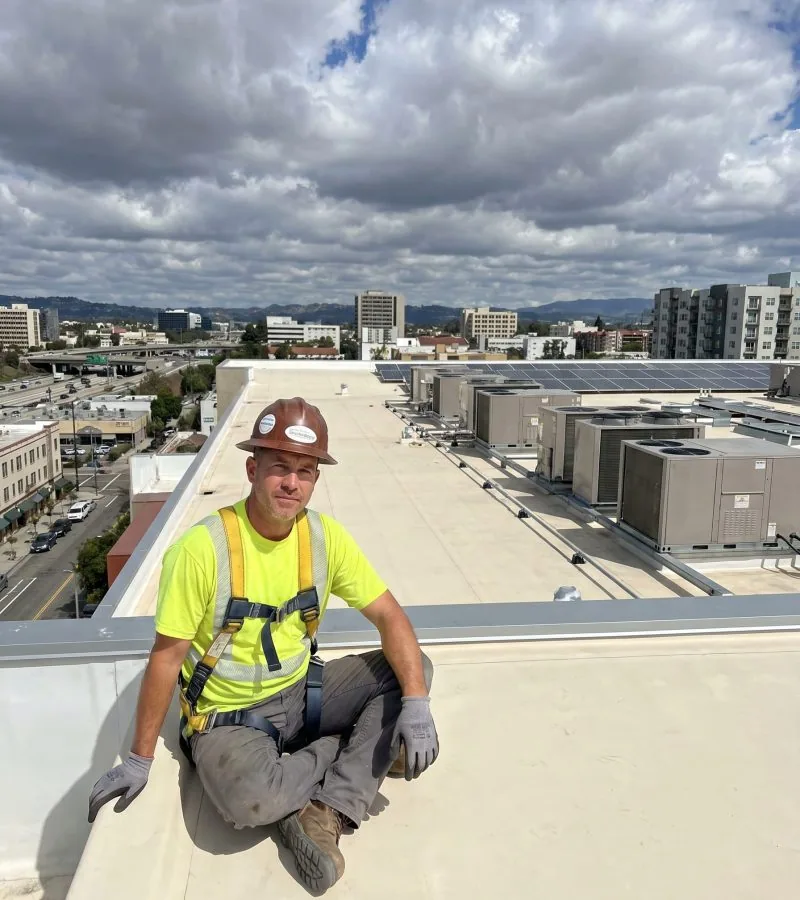
Commercial Roofing in Apple Valley, CA
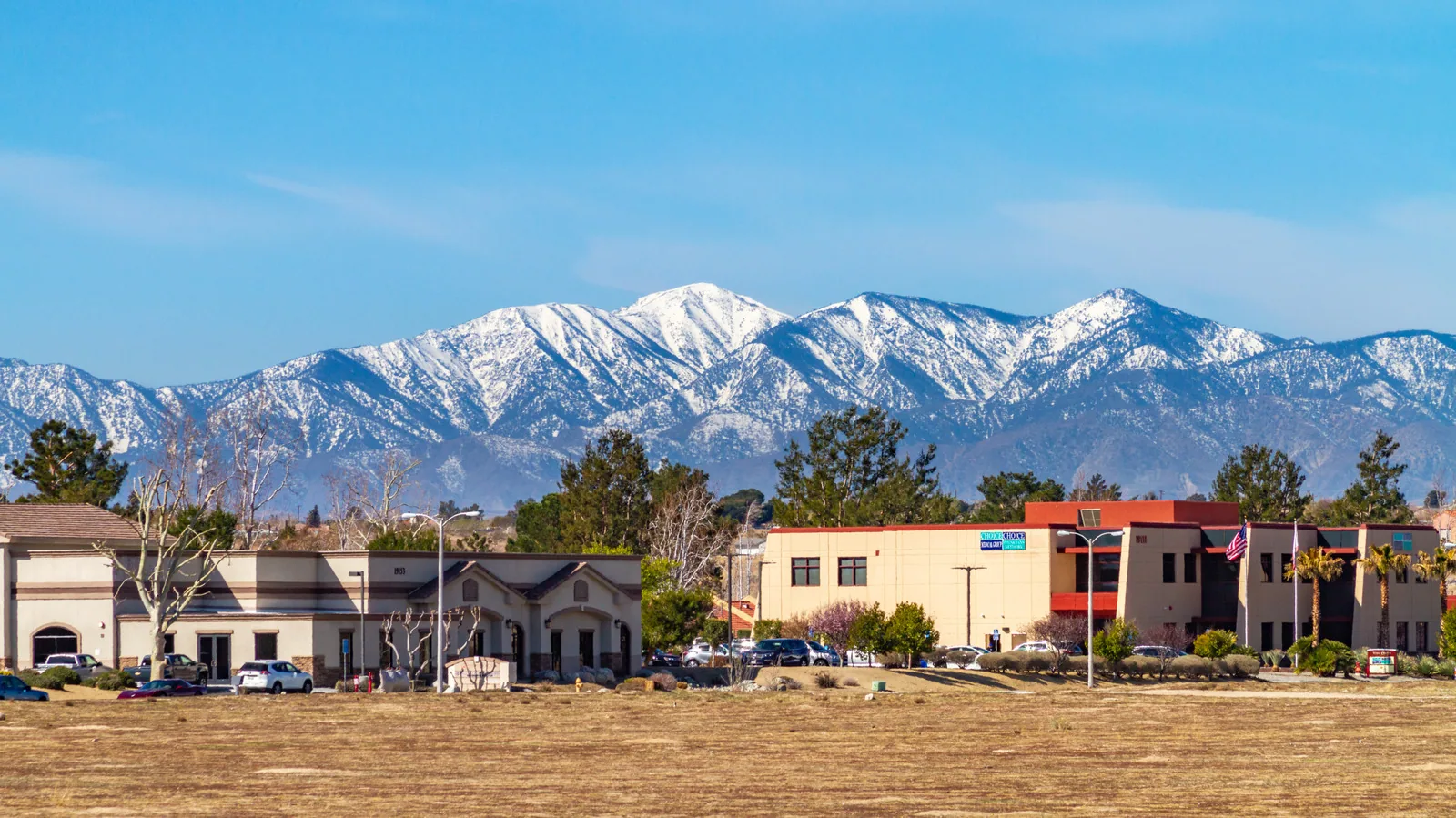
For an occupied office or retail property, the first roof decision is often how to inspect without blocking daily access. In Apple Valley, CA, the owner may need a repair that keeps entrances available while the roof team traces a leak or checks a transition. Apple Valley’s 2022 retail sales totaled about $974 million, and transportation and warehousing receipts were about $30.5 million. These sectors can have different receiving hours and roof access needs. We ask how the building operates, inspect its actual assembly, and set a work boundary that fits the finding.
Respect the building’s daily pattern
For a commercial property, receiving hours and service-vehicle routes can shape where materials are staged. For a retail site, we also identify customer entries, signs, and pedestrian routes that need protection below the work zone.
Roof access can involve a hatch, ladder, lift, or controlled stair. We confirm the route and who can authorize it before scheduling. If the roof covers several tenant spaces, we mark the area to be opened and describe what remains operational during the repair. A phased occupied-building sequence may help plan broader work, while a focused repair scope can address a localized defect.
Read the surface and the details
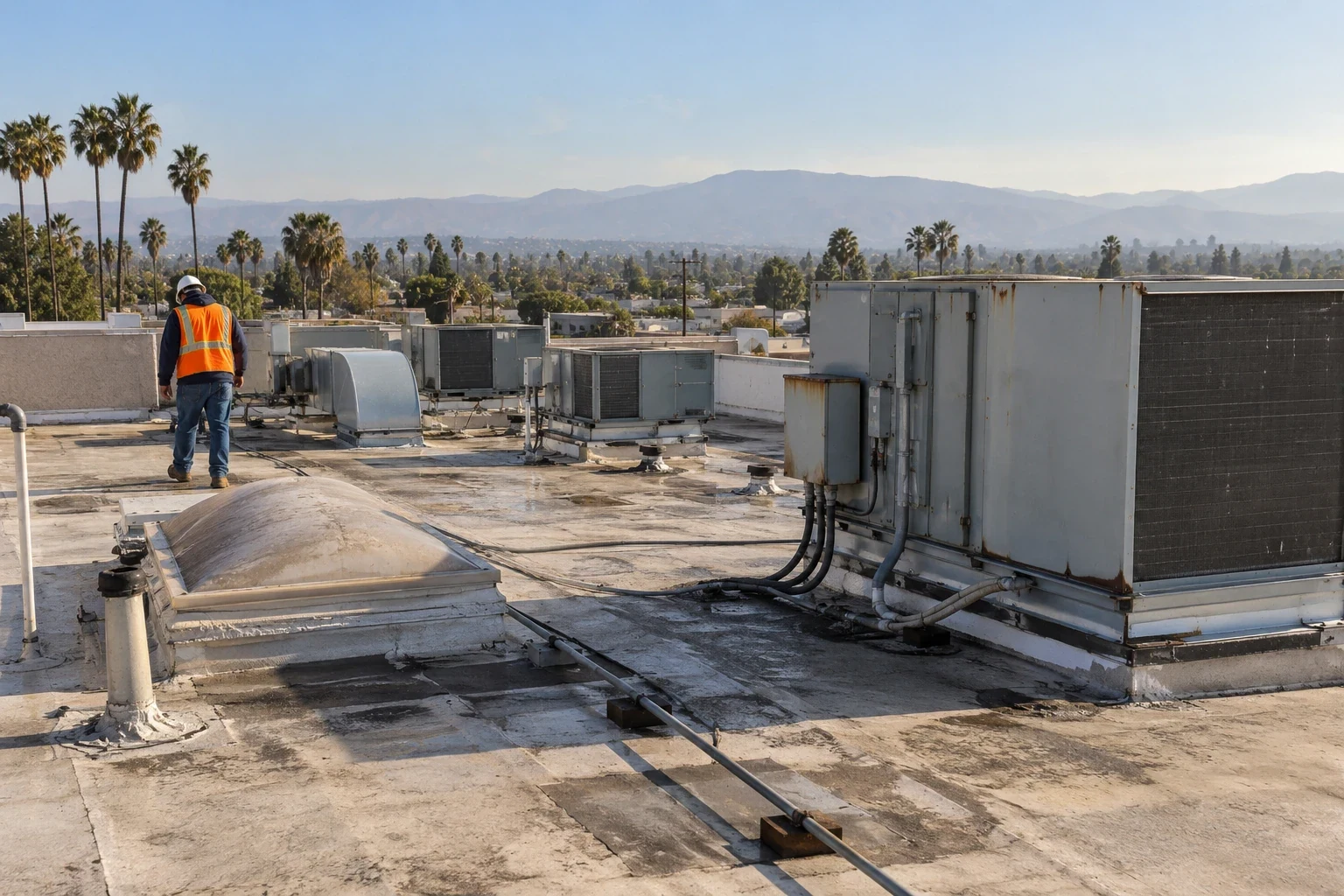
For Apple Valley, begin with the address and building outline so roof observations remain tied to the correct property. Identify the visible membrane or metal system, note seam and curb conditions, locate drains and scuppers, and record previous patches. Compare the interior report to the roof map without assuming the stain sits below the entry. If rooftop equipment or a coating blocks part of the view, mark that limitation and specify a follow-up test. Hesperia 2 E's 97.0°F August normal is city climate context, not a measurement for an Apple Valley roof. A condition report can distinguish what was observed from what remains concealed.
Use the same roof-zone labels on each follow-up visit.
Log the date of each photograph for later comparison.
Choose a repair boundary that can close
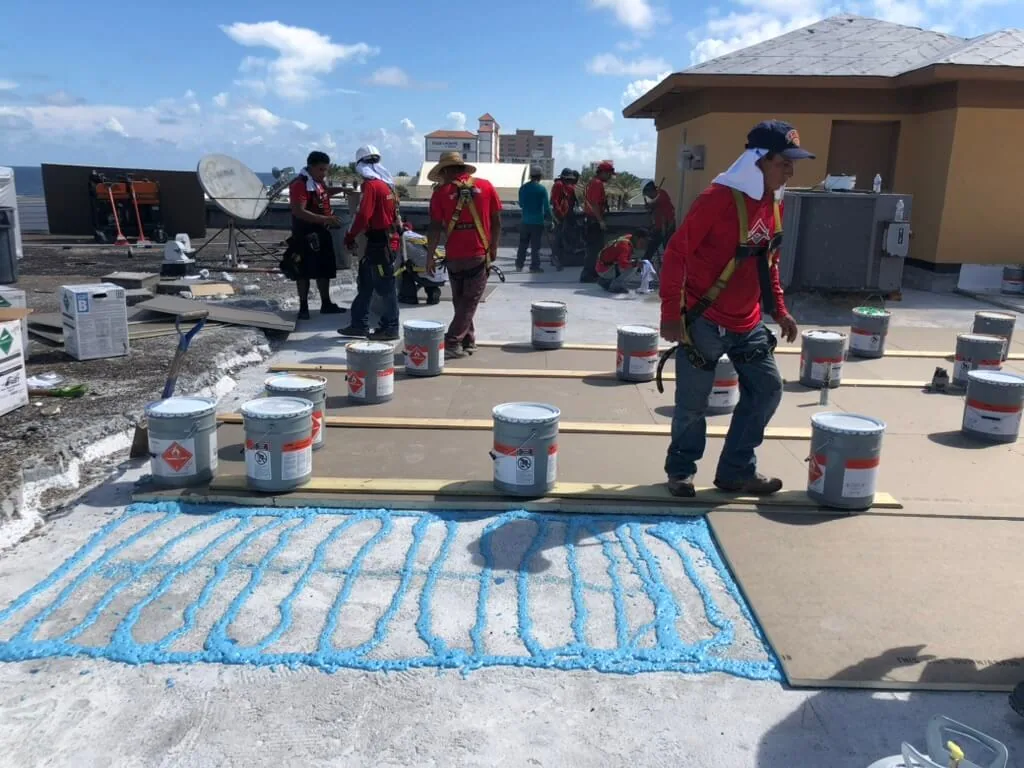
The repair must reconnect to sound material. At a curb, that may mean removing failed flashing and rebuilding the transition with compatible components. At a seam, the repair method depends on membrane type, surface condition, and whether the surrounding area remains attached. If wet insulation appears after opening, removal may need to extend beyond the visible tear. We state the point where the crew will stop and ask the owner to approve a wider scope.
Drainage is part of that review. We clear access to drains and scuppers, look for blocked paths or repeated ponding, and distinguish debris from a damaged drain detail. If water enters through a roof-level transition, a flashing repair can address the detail, while an infrared moisture survey may help identify test locations when conditions are suitable. Neither replaces an opening when the assembly itself must be confirmed.
Make timing assumptions visible
A roof estimate should say whether work includes lift access, protective covering, after-hours labor, insulation replacement, perimeter metal, or drain adjustments. If the building stays open, we identify entries below the work area and how they will be protected. Timing may change with wind, temperature, material compatibility, roof height, or a test result that reveals additional damage. We set a close-in point so the building is not left exposed while the next scope decision is pending.
The owner should be able to compare a localized repair against replacement by looking at the same categories: material removed, repaired area, tie-in, drainage, edge work, and remaining roof condition. A replacement review can show phasing and exclusions for a larger project. For a sound roof with isolated concerns, scheduled maintenance can revisit drains, seams, and repaired areas before the next water report.
Keep the repair record with the property
After a repair, we record where the work stopped, which material was installed, and whether the surrounding surface remained sound. Dated photos help the property manager compare a later condition with the closeout. If one tenant reports a new ceiling symptom, we add the room and date to the building file and inspect the corresponding roof area before assuming it belongs to the previous repair.
A roof plan and a short repair history reduce repeat investigations when staff changes. The file can note access contacts, tenant hours, prior test locations, and any area that was inaccessible. The nearby Victorville and Adelanto routes cover other local markets, but this report remains tied to Apple Valley's building and actual roof. A roof asset register can make that history easier to revisit.
Keep public entries in the work plan
Where customers enter throughout the day, the roof work zone should be mapped to the doors and paths below it. We identify whether an awning, vestibule, or accessible route needs temporary protection, and whether materials can be moved without crossing a busy entrance. The manager can then choose a work period based on the actual site schedule rather than a generic promise of minimal disruption.
If a lift must sit in parking, we mark the stalls and communicate the access window to the property contact. A small repair may need only a short work zone, while tear-off can require a longer protected area and a clear debris route. The estimate should state those assumptions so the owner can compare repair and replacement scope on equal terms.
Recheck exposed details on a useful schedule
For an office or retail roof with prior patching, a follow-up should revisit the exact seams, curbs, and drains that were recorded, not begin with a general walk. We compare the new surface with the earlier photographs and note whether the repair edge has lifted, a drain has collected debris, or another area now shows a symptom. That comparison helps a manager act on a change rather than repeat an unchanged observation.
Record who authorized access, which roof zones were reached, and what conditions limited the inspection that day.
Maintenance timing should reflect the roof exposure, use, and repair history. A newly repaired section may need an earlier look than an area without active concerns. If a service provider is added to the roof, the property file should note the access route and any new penetrations so the next inspection can check the correct transition. We keep the maintenance list specific to this Apple Valley building instead of borrowing dates from another property.
Commercial Roofing Questions
Can repairs happen before or after store hours?
We can plan around operating periods when access and material requirements allow. The roof height, lift location, noise, weather, and close-in needs determine the workable shift, so those details are confirmed before scheduling.
Does a Hesperia weather reading describe Apple Valley?
No. We identify the station and city when using climate data. In Apple Valley, we base the inspection on observed roof conditions and current weather.
How do you keep a repair from affecting every tenant?
We mark the roof area and access route, identify entries below it, and sequence work by section. If opening the assembly changes the boundary, we pause at the agreed close-in point and review the condition.
Can moisture be confirmed without opening the roof?
A suitable survey can help select test areas, but it may not confirm every concealed layer. We explain what the tool establishes and when a test opening is needed before pricing insulation removal.
What information helps plan an occupied repair?
Send the property address, tenant or business hours, roof plans if available, leak location, and the person who can arrange access. We can identify the work window and missing roof information before mobilization.