Commercial Roof Coating Restoration in Hesperia, CA
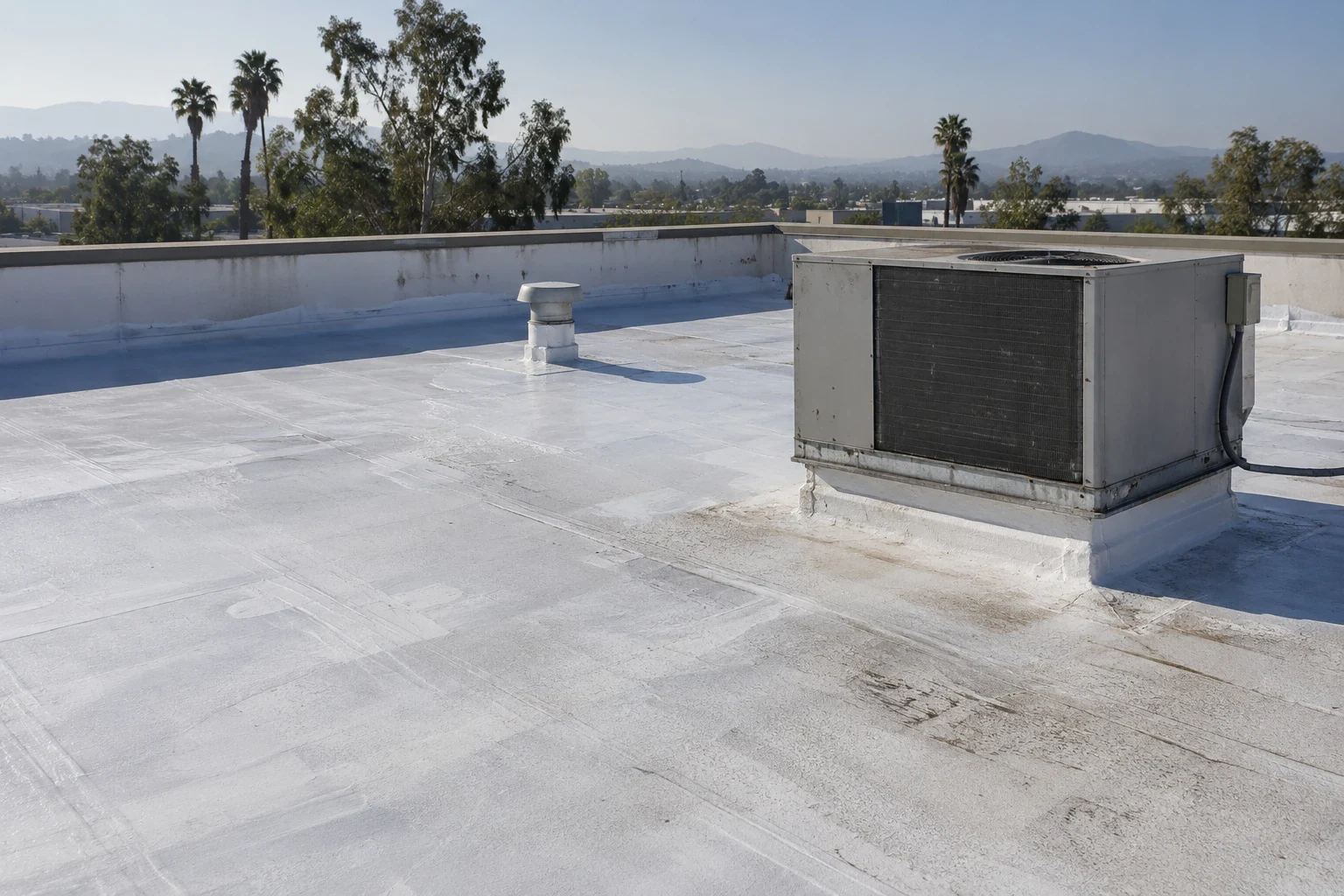
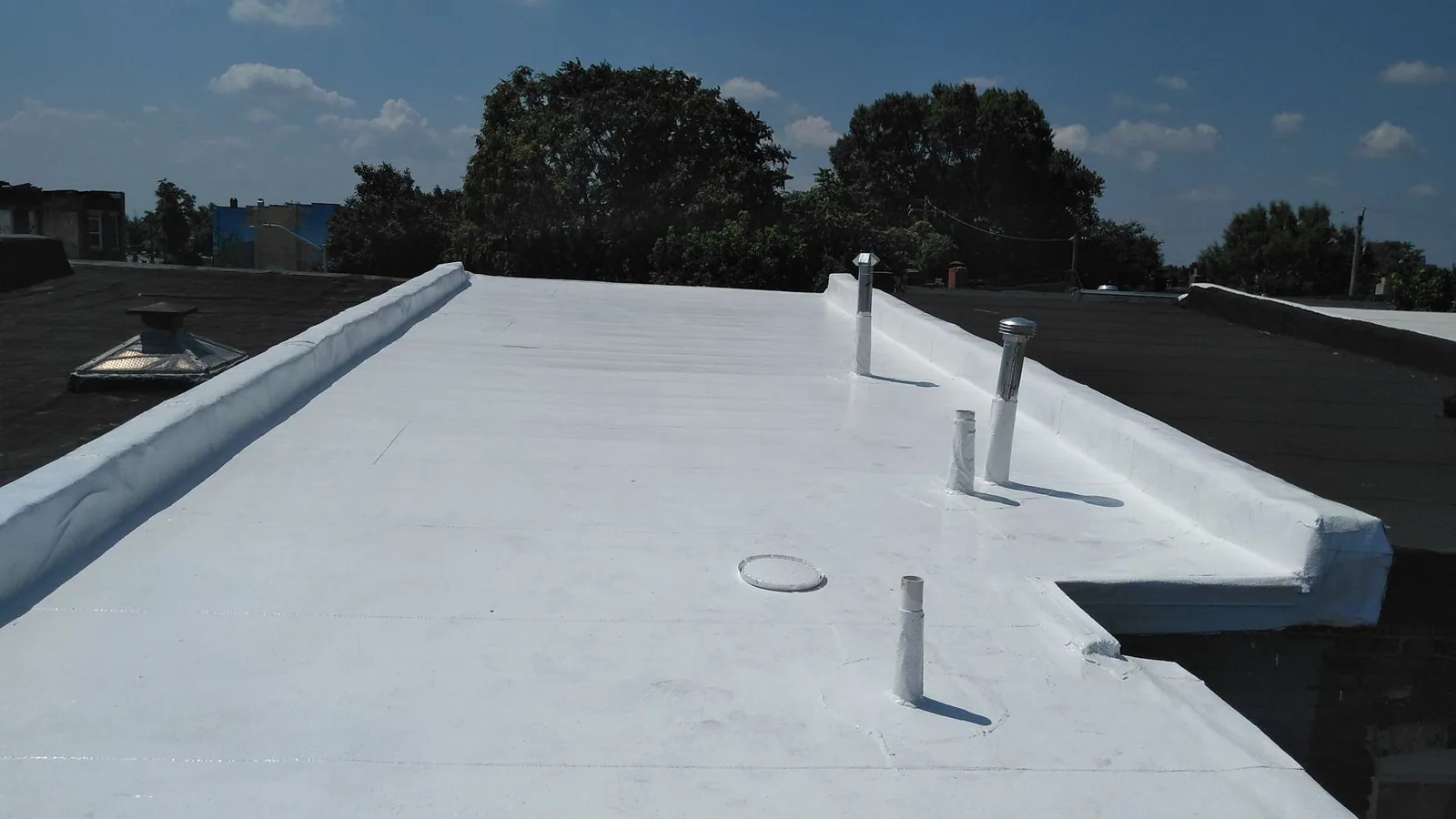
A coating can extend the service of a roof only when the existing assembly can support it. Start with the roof's current condition, not the product brochure. We check moisture, adhesion, surface preparation, seams, flashings, drains, and the details where a coating would terminate. If wet insulation, unstable attachment, or active movement remains, covering it may conceal a problem rather than solve it. Hesperia's normal August daily maximum is 97 degrees Fahrenheit. Plan inspection and application around the roof-surface temperature and safe work window. We identify the existing roof type and whether a restoration system can bond to it. If the base roof is suitable, a silicone coating system or another compatible option can be compared against repairs or replacement. The written scope should define preparation, reinforcement, test areas, and exclusions.
The Existing Assembly Sets the Limit
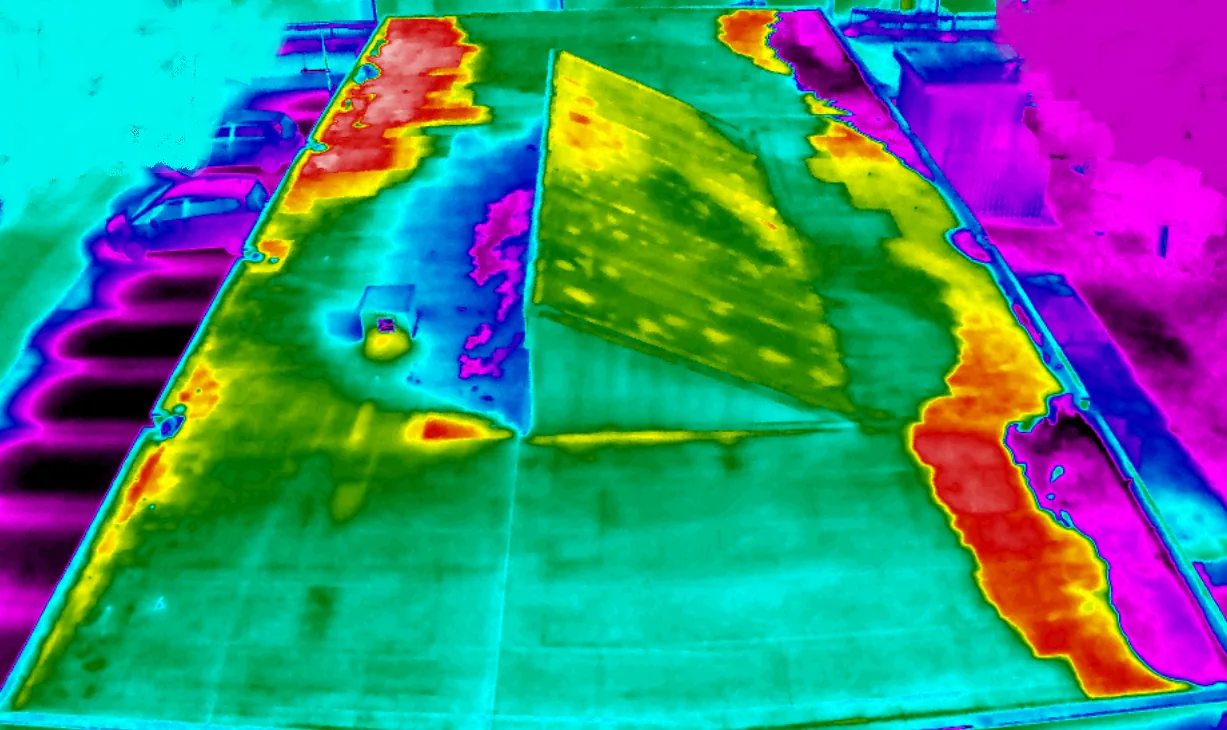
Before recommending a coating, identify the roof membrane or surface, known layers, prior coatings, repairs, and any wet areas. Check adhesion at representative locations, then compare those results with seams, flashings, and wet areas across the roof. Review blisters, open seams, exposed reinforcement, loose flashings, ponding, and surface contamination. If concealed moisture could change the recommendation, use a targeted moisture survey or selective core with owner approval. A broad wet area may shift the scope toward removal rather than restoration. Hesperia's Industrial District and City Center District serve different property uses. A coating recommendation must follow the building's actual roof assembly and test results. We confirm the actual system with the property contact and field observations before recommending materials.
Preparation Controls the Bond
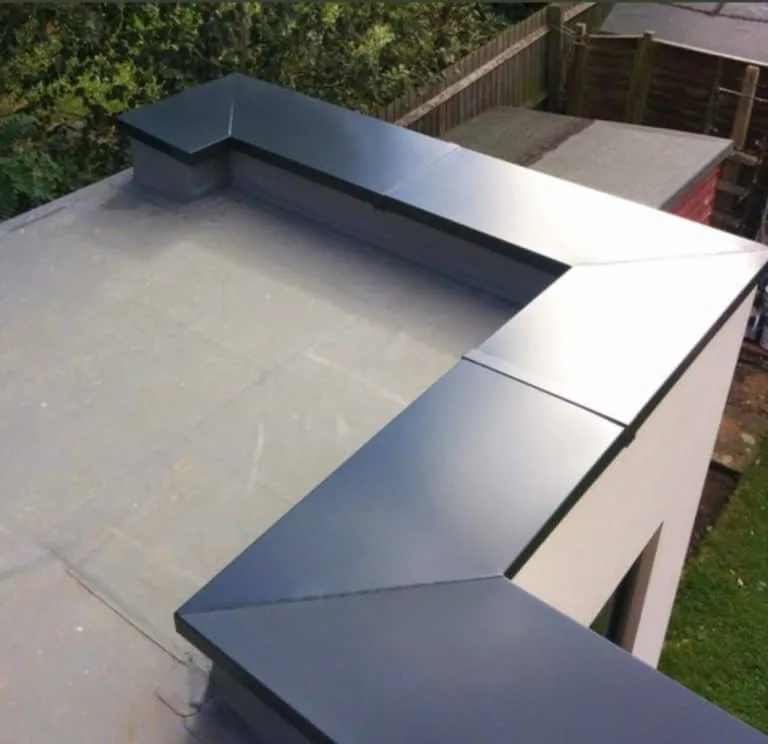
Preparation often determines whether a coating detail performs as intended. Remove loose material, clean the surface with a method compatible with the roof, and repair open seams or failed flashings before field application. Protect drains from wash water and prevent debris from entering the building. Check that the substrate is dry enough for the selected product and that existing repairs will not react with the new layer. A mockup or adhesion test can expose a compatibility concern early. For exposed fasteners or metal edge transitions, a perimeter detail review can separate coating work from metal replacement. Movement joints, wet insulation, and components due for replacement stay outside the coating field until their separate scope is resolved. The estimate should state cleaning, repairs, reinforcement, coat thickness basis, and conditions that require a written change before application begins.
Exposure Changes the System Choice
Silicone and acrylic coatings do not have identical properties. The choice depends on substrate, ponding exposure, reflectance goals, maintenance plans, and compatibility with existing materials. The system design specifies primer, reinforcement, base and finish coats, edge termination, and application requirements for the actual roof. Those details are checked against the manufacturer's instructions before the scope is set. Hesperia's hot summer conditions can make surface temperature and cure window important; the crew should verify the substrate rather than rely on an air reading. If the roof drains slowly or holds water, address that condition in the scope before coating. An acrylic coating assembly may suit one roof while a silicone coating assembly may fit another. A weak deck or wet insulation needs correction before either system can form a reliable assembly. Compare expected maintenance and future access with the cost and disruption of a full replacement.
Heat and Access Shape the Work
Hesperia retail sales totaled $1,251,868 thousand in 2022. For a retail roof, coordinate access and application timing around customer entrances and deliveries. I-15 and U.S. 395 provide regional access through Hesperia; the site contact still sets the delivery gate, staging area, and work window. A coating job may need separate mobilizations for preparation, repairs, and application. Map which roof zones remain open and which entrances need protection. At a strip retail property, agree on a usable customer entrance and delivery lane before materials arrive. Identify who can authorize a temporary closure, then keep the work zone separate from active pedestrian paths. A defined sequence prevents the restoration from turning into untracked partial starts. For a phased application, list the order of roof zones and the close-in point for each pass so staff know when an area can reopen. If a walkway sits below the work zone, identify the temporary route and who can reopen the entrance. Confirm where hoses and equipment cross that route, how staff will mark the boundary, and what changes if wind delays application.
The Repair Boundary Defines the Price
Price the tested coating area separately from details and preparation. Separate cleaning, spot repairs, reinforcement, field coats, and edge transitions so the bid shows which operations account for the work. State the measured area and quantity basis, including how curbs and drains are handled. If testing rules out coating, compare a replacement scope with a focused repair plan. For a property near Hesperia City Center, civic and mixed-use activity can put public entrances close to roofing work. State whether a temporary closure, walkway barrier, lift, or overspray control is included in the price. Keep repair quantities separate from replacement quantities so the owner can compare options on the same roof area. Price additional edge metal or removal separately if a test opening changes the boundary. Keep ponding correction outside the coating quantity unless the scope includes that work. At closeout, record the system applied, areas excluded, and maintenance limits that affect a later decision.
Each Pass Needs a Close-In Point
Restoration work moves through defined passes. Before each shift, confirm how much roof can be prepared, repaired, coated, and protected before the work window closes. The scope should identify what happens if wind, dust, moisture, or an incompatible prior repair interrupts that sequence. Set a close-in point for each shift and identify the area that can safely remain exposed. On an occupied building, coordinate staging, roof access, noise, odor, and drop zones with the facility contact. Keep drains clear after washing and identify who checks them before coating begins. Wet, dusty, or contaminated sections remain uncovered until they are ready for a sound bond.
Mark each zone by status: ready for preparation, repaired, coated, or awaiting another pass. Closeout records should identify the coating system, product lot, representative thickness checks where specified, finished details, and exclusions. Wide and close photographs of drains, perimeter terminations, and repaired transitions give the owner a practical baseline. If a later inspection finds a defect, the map shows whether it falls in the coated field or at a separate detail. Keep excluded areas visible so the next maintenance or budget decision starts with the actual scope.
Commercial Roofing Questions
Which roof conditions allow a coating restoration system to bond?
No. The existing surface, moisture condition, previous coatings, adhesion, and details must support the selected assembly. Wet or unstable areas, incompatible materials, or failed flashings may require repair or removal first.
Will coating fix a ponding area?
A coating does not correct slope or structural deflection. If water remains, assess the drainage path and roof geometry before selecting a restoration system. The scope should state how ponding is handled and what remains outside the coating work.
How does Hesperia heat affect a coating project?
Hot roof surfaces can change application timing and worker exposure. The crew checks surface temperature and weather conditions before each application pass and follows the selected system installation requirements.
Should we compare restoration with replacement?
Yes when moisture, repeated repairs, weak attachment, or incompatible layers raise doubt about the base assembly. Compare tested areas, detail repairs, expected disruption, access, and concealed-condition allowances before selecting a scope.