Big-Box Retail Roofing in Hesperia, CA
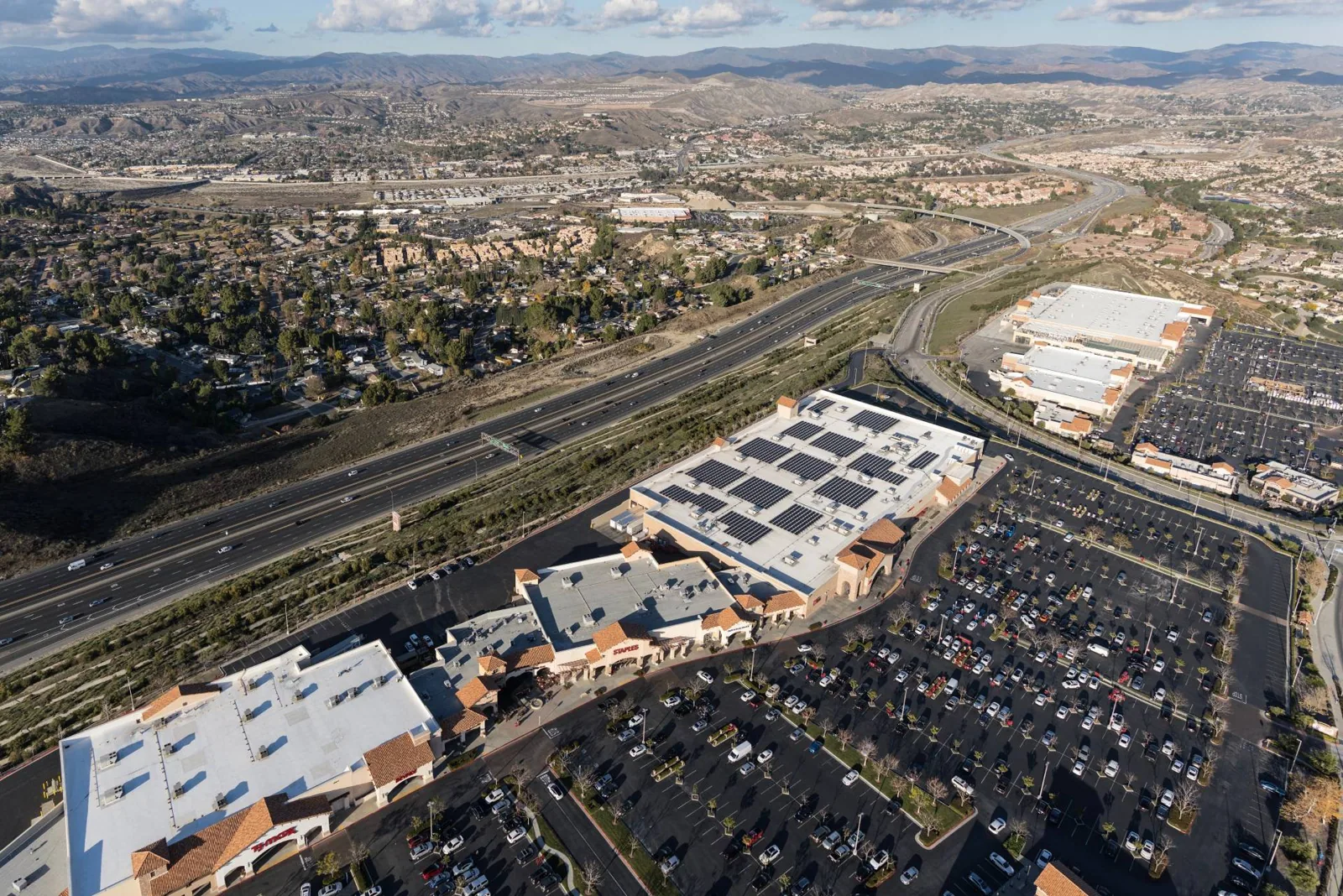
A leak across an open sales floor can affect inventory, lighting, registers, and customer routes at once. In Hesperia, CA, 2022 retail sales totaled $1,251,868 thousand citywide, a broad market measure that does not describe any one store. We begin with the affected roof bay, the equipment above it, and the route water may take through insulation or deck joints. The goal is to establish a repair boundary that protects the store and fits its receiving schedule. A commercial roof inspection maps the field, drains, seams, and penetrations before a repair or replacement is priced.
Protect the Open Interior
Large stores often have long interior sightlines and limited ways to isolate a ceiling leak. We ask the facility manager to mark the affected aisle, stock, electrical equipment, and customer paths, then align that interior record with the roof plan. A stain may sit several bays away from the actual entry if water has followed the deck or insulation. We inspect the nearest seams, curbs, skylights, drains, and previous patches rather than cutting directly above the visible mark.
If an opening is needed, the scope states which roof section will be removed, how the store below is protected, and where the crew will close the assembly before the shift ends. Inventory moves and aisle closures should be coordinated by the store contact. A commercial leak-repair assessment can isolate a reported entry point and document what remains uncertain before the opening is made.
Read the Equipment Field
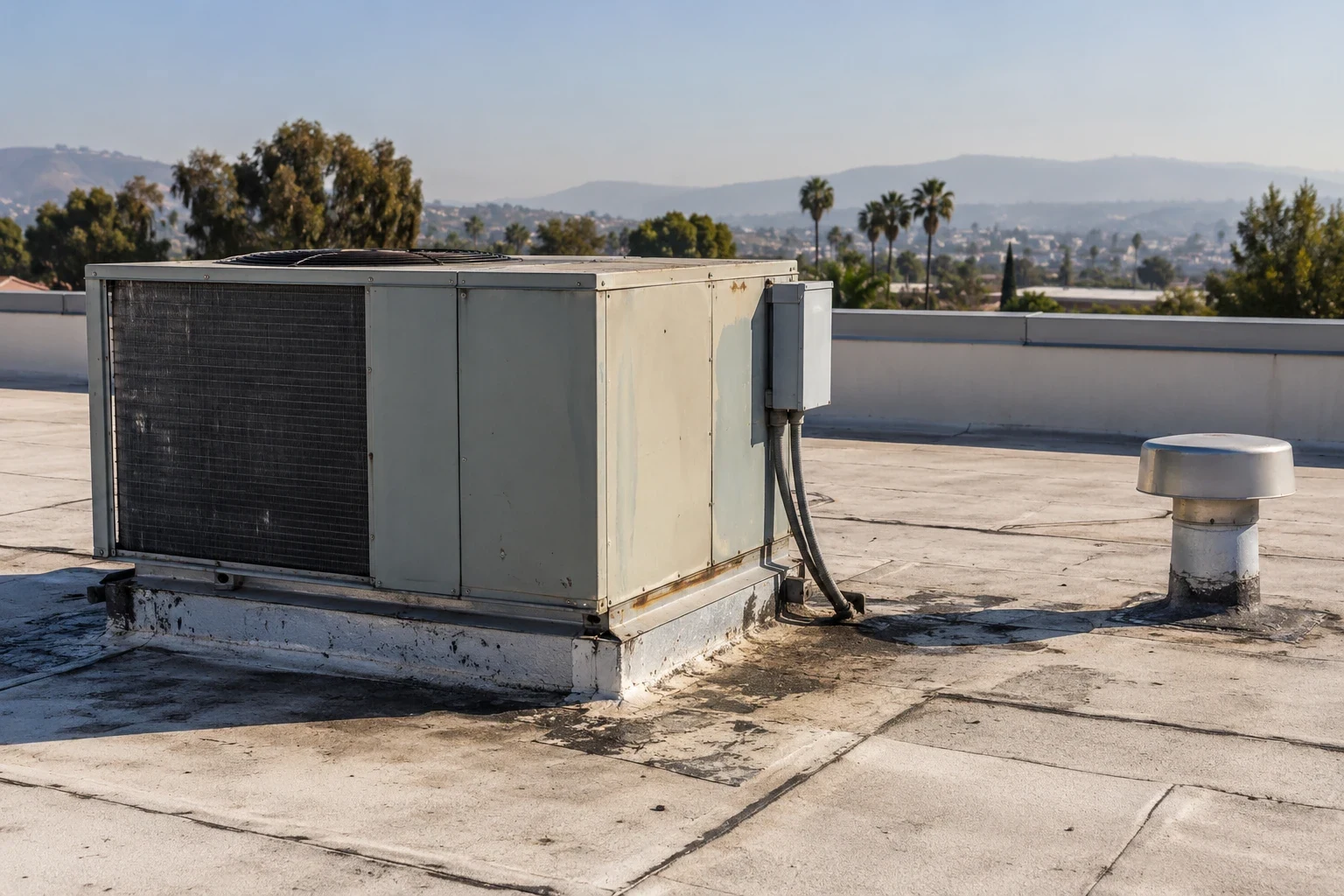
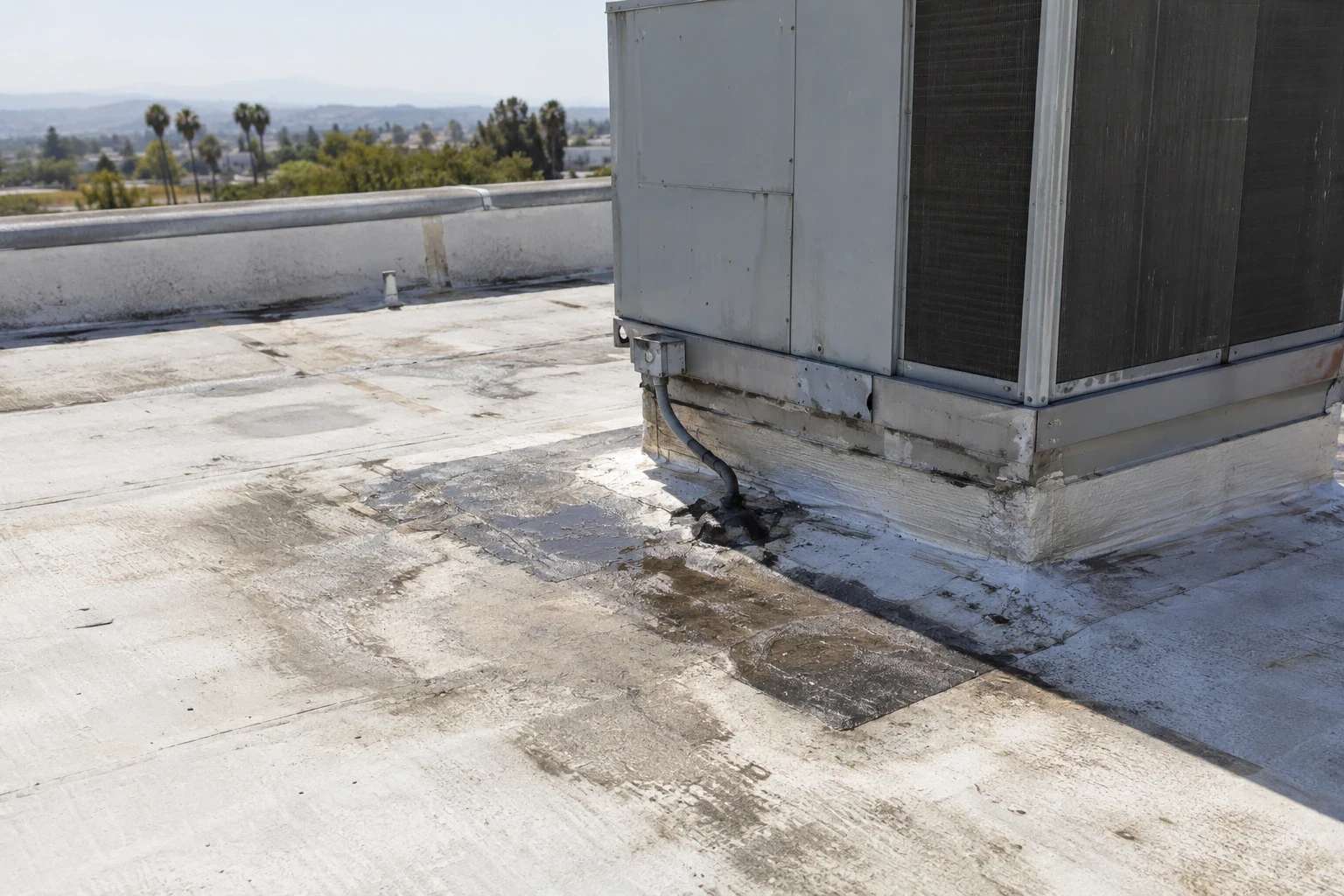
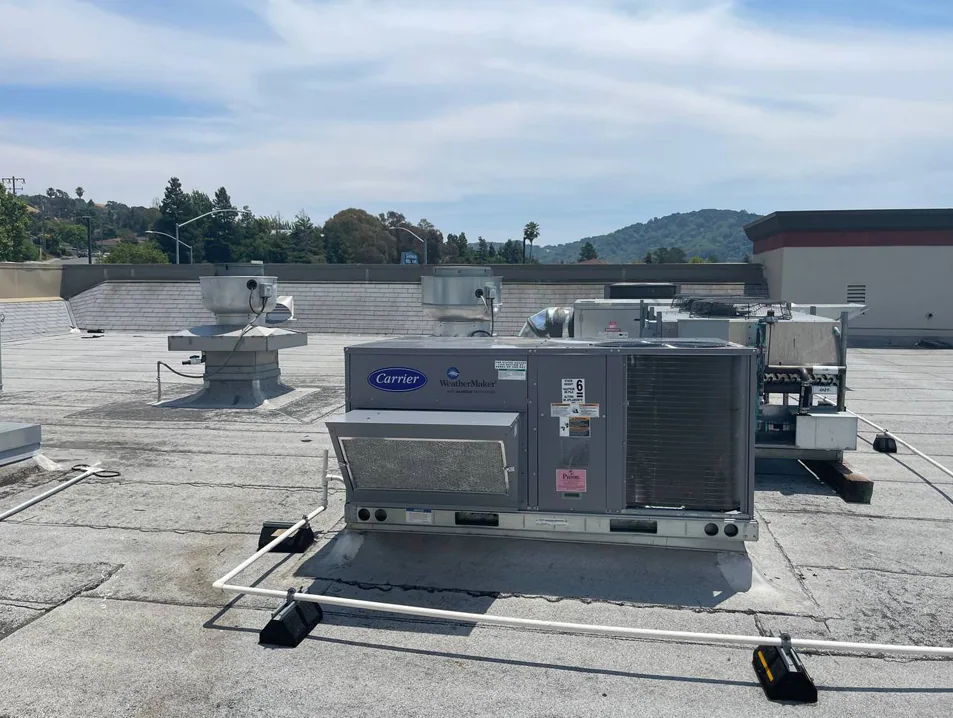
Big-box roofs can carry many HVAC units, exhaust fans, conduits, skylights, and service walkways. Each curb is a roof transition; each support is a contact point that can affect seams or drainage. We check flashing corners, exposed fasteners, membrane movement, and the clear route to equipment doors. If a mechanical unit must be lifted or disconnected, the scope identifies the HVAC trade and approval before the roofer reaches the detail.
Equipment may also divide the roof into areas with different access and wind exposure. A multi-tenant shopping-center roof plan needs tenant-by-tenant phasing. A grocery-store roof protection plan also accounts for refrigeration and food-service areas below. We mark which units remain in service, which have limited clearance, and where staging must stay clear. If a suspected leak is near a curb, the roof record shows the curb and neighboring field seams separately. The curb and support review focuses on those tie-ins, while the larger roof assessment accounts for the full sales-floor footprint.
Keep the Drain Path Open
Water needs a continuous route from the roof field to drains, scuppers, and overflow points. We check strainers, bowls, low areas, parapets, and the condition of flashing around each drain. A pile of debris, a damaged bowl, or a settled section may be contributing to ponding. The repair should address the confirmed cause rather than cover a symptom with new membrane. Roof plans and photos help the store team keep drains accessible after the crew leaves.
Material staging must also stay out of drainage paths. A big roof can make it tempting to store rolls or insulation near a convenient low point, but that area may need to remain open during work. The drain and scupper service can be included as part of a defined repair or renewal scope. At closeout, we check the water path and remove temporary protection or debris from the drainage area.
Connect the Store to Hesperia Routes
The Hesperia Freeway South District plan identifies regional commercial uses and auto sales. The Hesperia Main Street and I-15 District is also planned for regional commercial activity. These named commercial areas provide local context for retail roof planning, but a store's exact receiving rules and hours come from its operator. We confirm the delivery entrance, lift setup, material staging, and whether the work zone can be separated from customer parking.
The city places regional commercial activity and single-family residential areas in the plan for its Main Street and I-15 District. That mix makes delivery staging and customer access useful items to confirm with the operator. The Freeway South commercial district is also a broad planned area, not a particular store. We use the property address and roof drawing to settle actual logistics.
Compare Repair With Full Renewal
A single isolated failure on sound material may support a repair. If seams are opening in several zones, insulation is wet across a broad area, or older repairs no longer bond, compare restoration or replacement before the next patch is installed. We map confirmed failures and separate them from areas that need testing. A recover is an option only if the assembly and added height work with the deck, drains, edges, and rooftop equipment.
System choice should account for attachment, access, and future service around the equipment field. A reflective surface does not correct wet insulation or weak flashing. A coating requires compatible substrate preparation; a new membrane needs secure terminations and drain tie-ins. A roof-coating restoration review checks eligibility, while a replacement scope addresses removal and rebuilding when the existing assembly no longer supports a reliable repair.
Price Access and Interior Protection
Cost follows the confirmed work area and the conditions that change production. Factors include roof height, tear-off depth, insulation replacement, number of penetrations, access for a lift, store operating hours, and protection beneath an open area. We separate known repairs from test openings or concealed deck work. If a mechanical trade must move units, that coordination is identified instead of buried in a roofing allowance.
Large roof area does not make every section equally urgent. A leak near electrical equipment, active water over stock, or an open transition may need attention before sound areas. We show priorities on the plan so a manager can compare immediate work with staged capital renewal. The recommended sequence should leave clear routes to drains and equipment even while other roof areas remain untouched.
Return the Roof to Store Use
Before reopening a work zone, we inspect seams, curbs, drains, perimeter details, and the roof section's close-in boundary. The closeout record marks what was repaired, what material system was used where documented, and any item that remains outside the scope. A clear roof plan helps maintenance staff find the exact zone if a new issue is reported.
The store team should receive notice that roof access and staging have changed back to normal, along with any maintenance restriction affecting equipment or drains. We remove debris, confirm the water path is clear, and return barriers as agreed. If water reaches a sales floor after hours, including holidays, report the affected bay and available roof access so the first response can be scoped.
Commercial Roofing Questions
How do you protect merchandise during a big-box roof repair?
We map the affected roof bay to the area below, set the opening boundary, and agree on interior protection with the store contact before removal begins.
Can the store keep receiving deliveries during roofing work?
The delivery entrance and staging area are confirmed with the operator. The work plan identifies any temporary restriction and keeps required truck and emergency routes clear.
Does a leak above a sales aisle mean the roof needs replacement?
Not by itself. We trace the roof section, inspect adjacent seams and penetrations, and compare the failure extent with the condition of surrounding material.
What Hesperia areas matter for retail roof planning?
The city plans regional commercial use in the Freeway South and Main Street and I-15 districts. Site access still depends on the individual store layout and operator rules.
What should be on the closeout plan?
Mark repaired areas, drains, equipment curbs, tie-ins, and remaining conditions. That record helps store maintenance teams connect later reports to the correct roof zone.