Commercial Roof Insurance Claim Documentation in Hesperia, CA
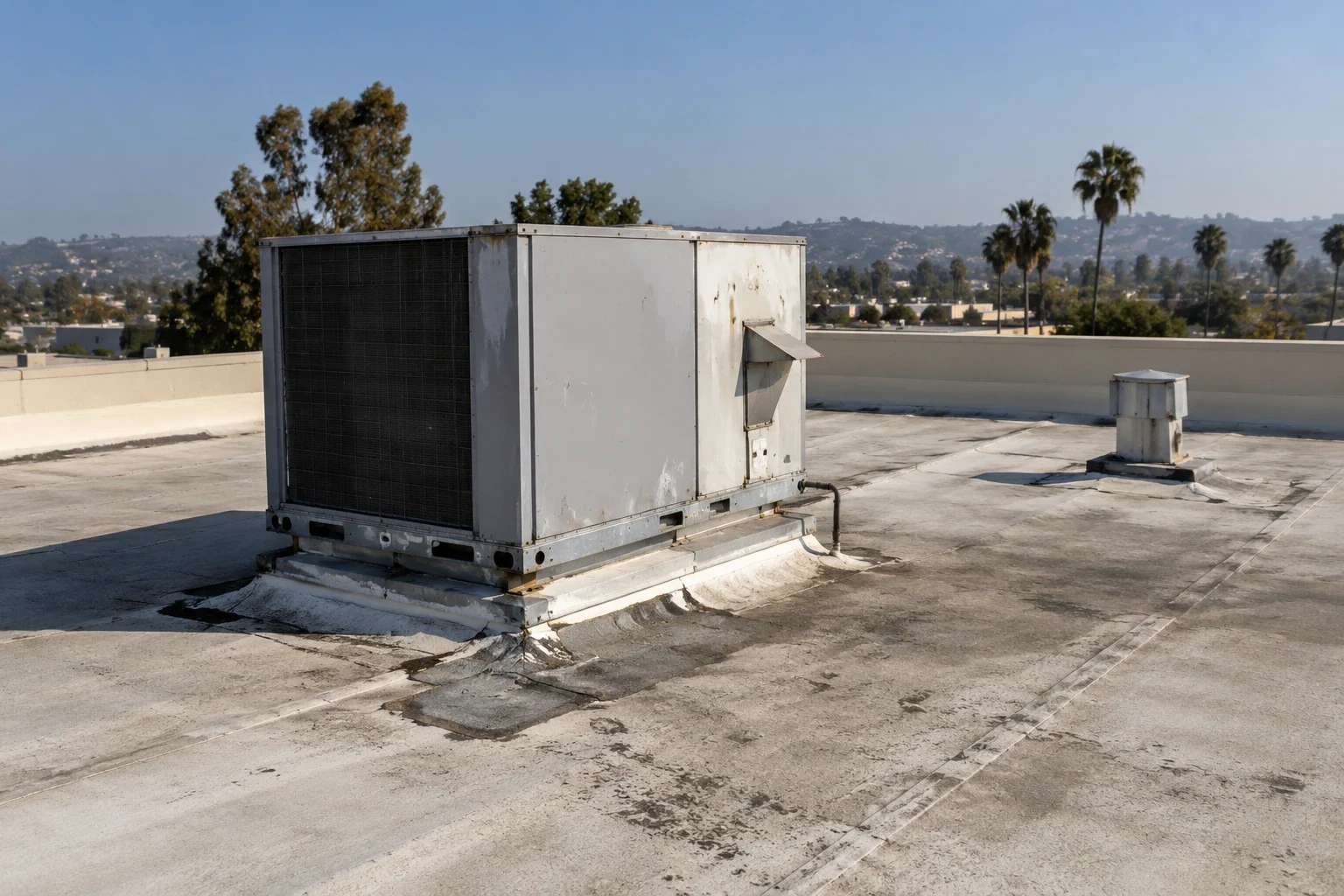
A roof claim starts with a condition record, not an opinion about coverage. We document what is visible, where it is located, and what needs testing before a repair scope can be priced. The owner can use those materials in a discussion with an insurer, but policy interpretation and claim decisions remain with the insurer. In Hesperia, the site and roof section matter: a warehouse near I-15 has different access and staging constraints than a neighborhood-commercial property along Main Street. Hesperia's Main Street-West District combines multifamily residential and neighborhood-commercial uses; a claim file must identify the building and roof section actually inspected. Keep the assessment tied to the address, roof system, reported event, and date. A storm damage roof review can start the field record, while a commercial roof inspection can document the larger condition.
Build a Clean Event Timeline
Collect the date and time the condition was first noticed, who reported it, where water or visible damage appeared, and whether the roof had earlier repairs. Preserve original interior photos and note when they were taken. A roof plan, maintenance record, and prior work order help identify what changed, but do not assume that an old stain came from the latest event. Separate observations by building and roof zone, especially when a portfolio includes several facilities. Hesperia's transport and warehousing receipts reached $153,030 thousand in 2022. This is citywide economic context, not evidence about a particular business or building. On a loading-intensive site, document the affected area without obstructing delivery operations. Ask the facility contact for approved roof access, escorts, and the best time to photograph or measure the condition. Keep all materials together by address so the timeline does not blend unrelated repairs.
Separate Observed Damage From Suspected Cause
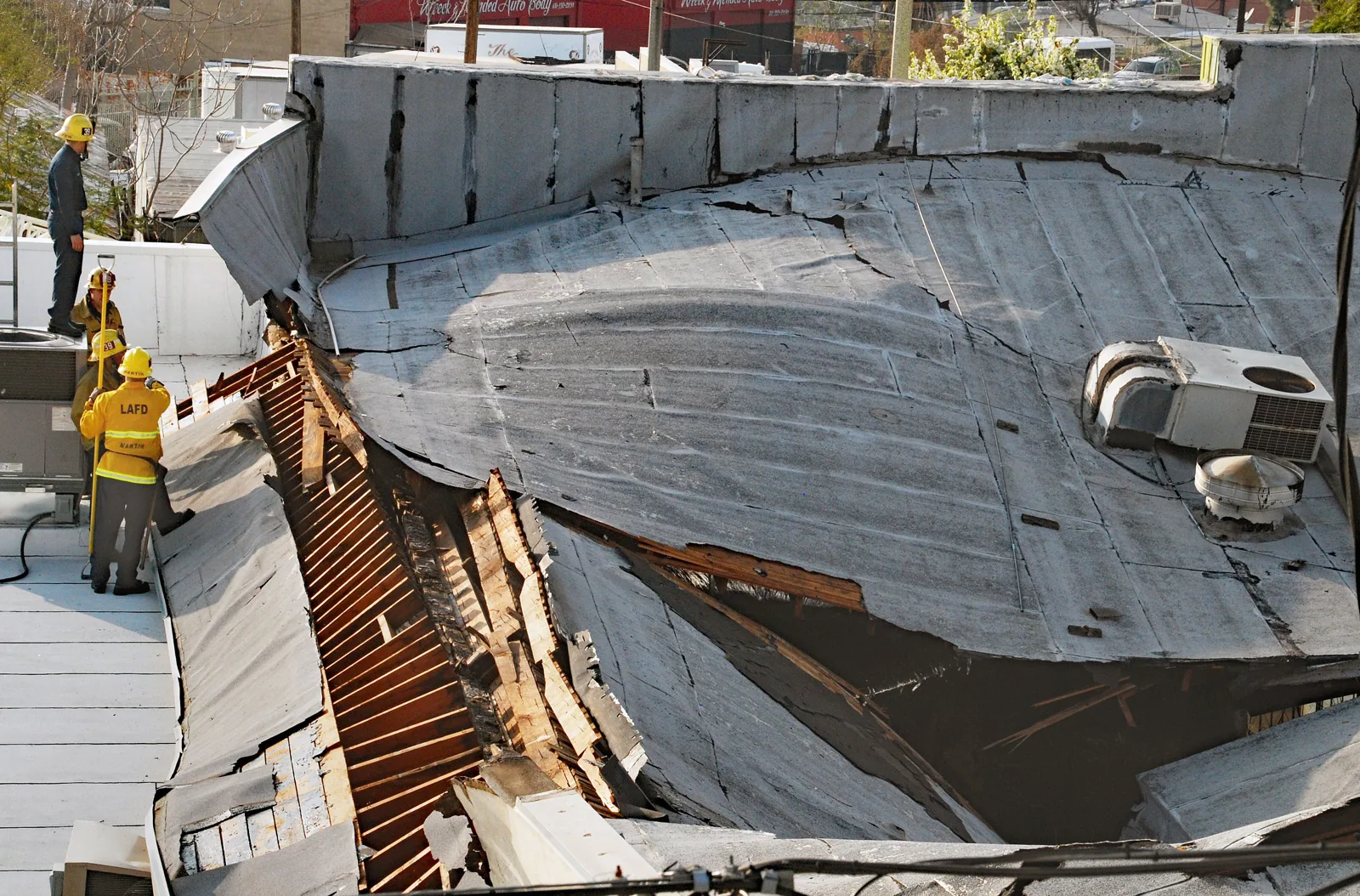
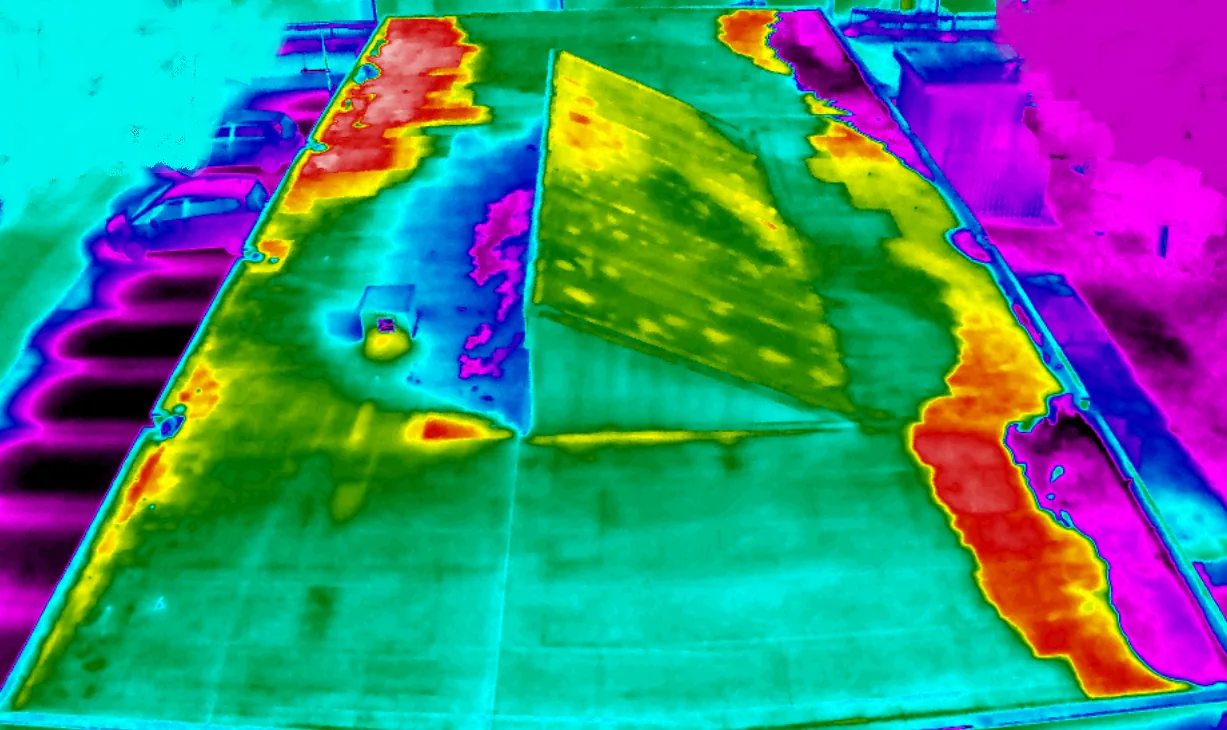
On the roof, map the condition before disturbing it. Note lifted seams, punctures, displaced coping, failed flashing, debris impact, or an obstructed drain when visible. Measure the affected area and include nearby reference points. A ceiling stain can be distant from the roof entry, and a surface mark can predate the reported event. Use careful wording: observed, measured, tested, or suspected. If wet insulation or deck damage is concealed, recommend a controlled opening only after approval and explain how the test could change the repair boundary. An infrared moisture survey may help identify comparison locations when conditions fit the method. Keep image captions factual and avoid assigning a cause from a photo alone. The report should list areas not reached and any roof condition that limits the conclusion. That distinction helps the owner answer an insurer's questions without presenting an assumption as a finding.
Make the Photo Record Easy to Follow
Pair each close-up with an overview that shows its roof zone. Label images by building, roof level, direction, and the feature being documented. Include a ruler or another scale when a measurement matters, and record the measurement separately. A photograph of a seam without context may be difficult to tie to the report later. Do not remove debris or make a patch before the original condition has been recorded unless immediate safety or property protection requires action. If temporary protection is installed, photograph the area before and after, and identify what it covers. A route map helps estimate the drive, but it cannot confirm a roof hatch, loading area, gate code, or delivery path. Ask the property contact for directions and written access rules before scheduling inspection or temporary protection. A Highway 395 and I-15 District service review does not replace property-level directions.
Price Repair Work Without Blurring Boundaries
A repair estimate should list the roof area, material, preparation, replacement layers, edge or penetration details, and limits of work. Keep measured repair quantities and concealed-condition allowances on separate cost lines. Show what requires an owner approval before the crew opens additional material. If the scope includes a temporary cover, state how long it is intended to serve and what follow-up is needed. A compatible commercial roof repair may resolve an isolated defect; broader wet insulation or repeated failure could support a replacement evaluation. The owner should compare the roof evidence and estimate with policy requirements independently. Do not promise that a carrier will approve a particular amount or method. A clear estimate helps the property team discuss the work while maintaining a distinct record of the roofing contractor's findings.
Prepare the Materials for Review
Package the report, marked roof plan, photographs, measurements, prior repair history, and current estimate in one address-specific file. A short index should identify the date, building, roof zone, and document type. Keep correspondence from the insurer with that same record, but do not alter original photographs or notes. If an adjuster requests additional information, map the request to a roof area and answer only from observed conditions. For a Hesperia building in the Main Street-West District, the broad mix of multifamily and neighborhood-commercial land uses may inform access coordination, but it does not establish the property's tenant or roof condition. Confirm the site use and contact directly. Before sending, check that every image and quantity corresponds to the correct roof and that any untested area is labeled. The owner can then decide whether further testing or permanent work should proceed. A roof condition record can preserve the mapped observations and limits with the property file.
Keep Contractor Findings in Their Lane
A roofing assessment can help establish what is visible on the surface and what the repair could involve. It does not interpret policy exclusions, deadlines, deductibles, or coverage language. The owner should direct those questions to the insurer or a qualified coverage professional. We can meet to review roof details, provide measurements, and explain why a repair or replacement scope was prepared. If an estimate changes after opening the assembly, photograph the condition, describe the affected layer, and pause for the approval required by the work order. Do not present a concealed condition as observed before access. Hesperia includes both mixed-use City Center properties and warehouse districts along major corridors. For this claim, match building use, roof history, and affected area to the owner's field records. Keep the event date, roof map, photos, and estimate matched to the same building, especially when a property manager handles several addresses. A clean record makes the technical discussion easier without suggesting a claim outcome. Keep original photos unchanged and retain the inspection date in the file.
Index the event date, inspection date, photo set, and estimate revision in one sequence. When a document changes, retain the prior version and note why. That lets the property team reconcile a revised quantity with the roof condition that prompted it, without confusing the contractor's field record with a coverage determination.
Commercial Roofing Questions
Does the roof report decide insurance coverage?
No. We document the roof condition and prepare a repair estimate. An insurer applies the policy terms after reviewing the claim; the roof report supplies condition evidence. We keep observed facts, suspected causes, and repair recommendations separate so the owner can discuss them clearly.
What records help with a Hesperia roof claim?
Collect the event timeline, interior reports, original photos, roof plan, maintenance and repair history, field measurements, and an address-specific estimate. Label each item by building and roof zone.
Should emergency work wait for an adjuster?
Protect people and limit active water exposure under the facility safety procedure. Photograph conditions when it is safe, then use qualified personnel for temporary protection. Keep that temporary work documented and coordinate permanent scope with the owner and insurer.
Can you determine the cause from photos?
Photos can show visible conditions and help orient an inspection. They do not always reveal the water path or concealed layers. A site review or targeted test may be needed before cause and repair boundaries are stated.