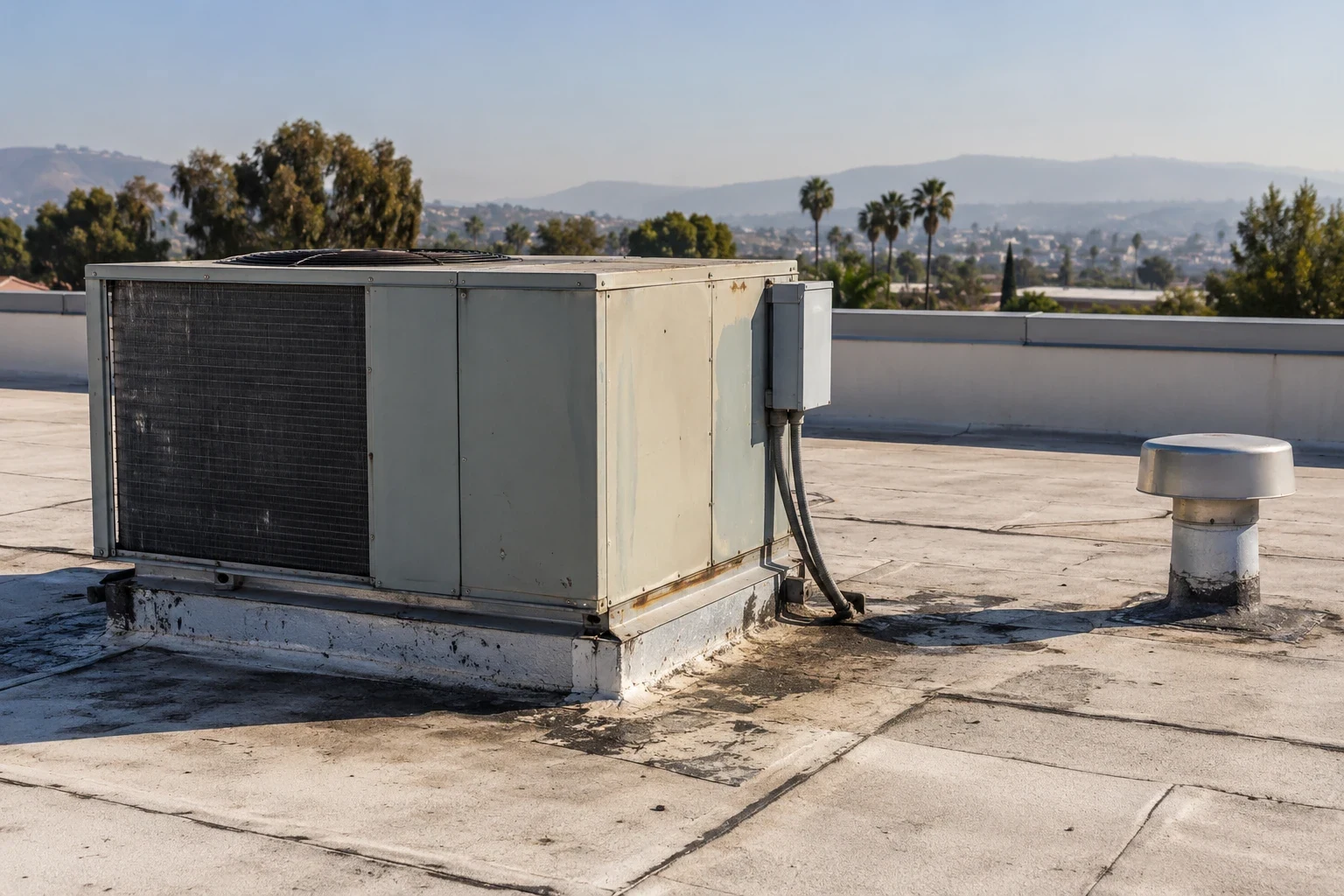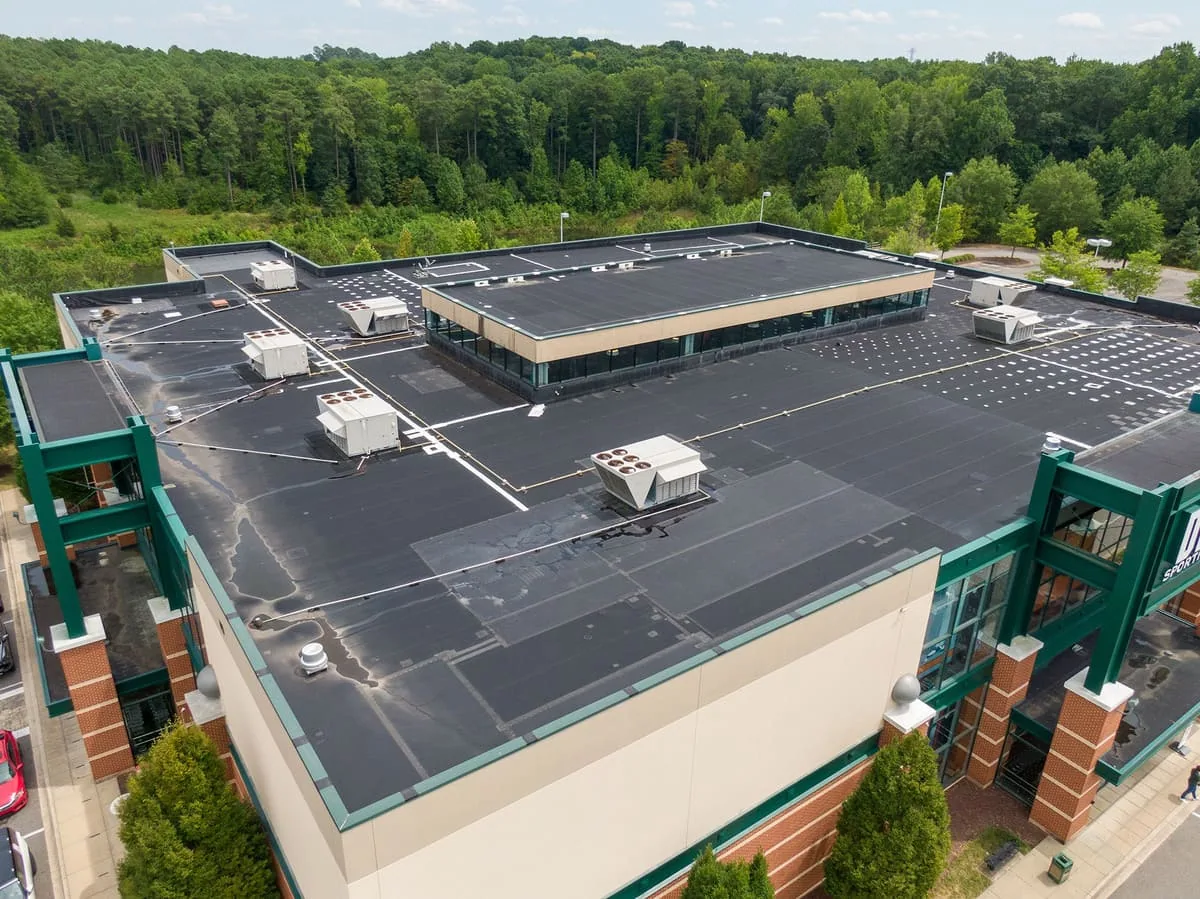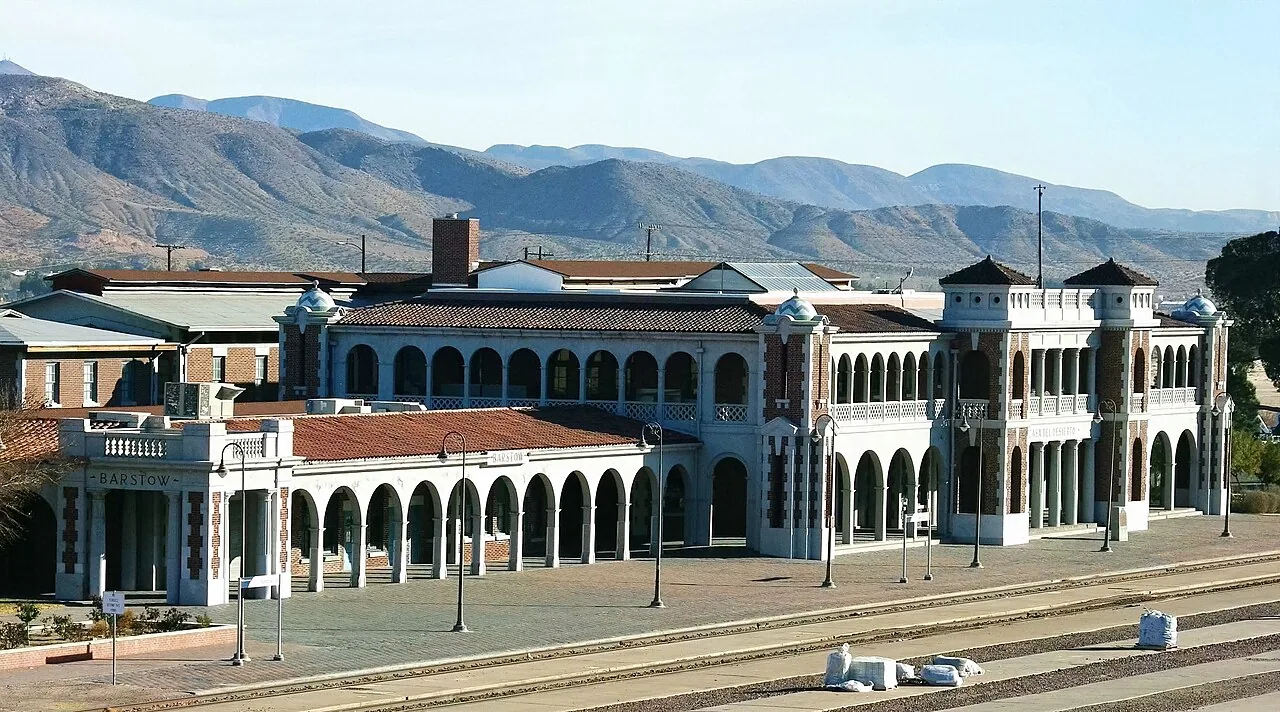
Storm Damage Roof Repair in Hesperia, CA
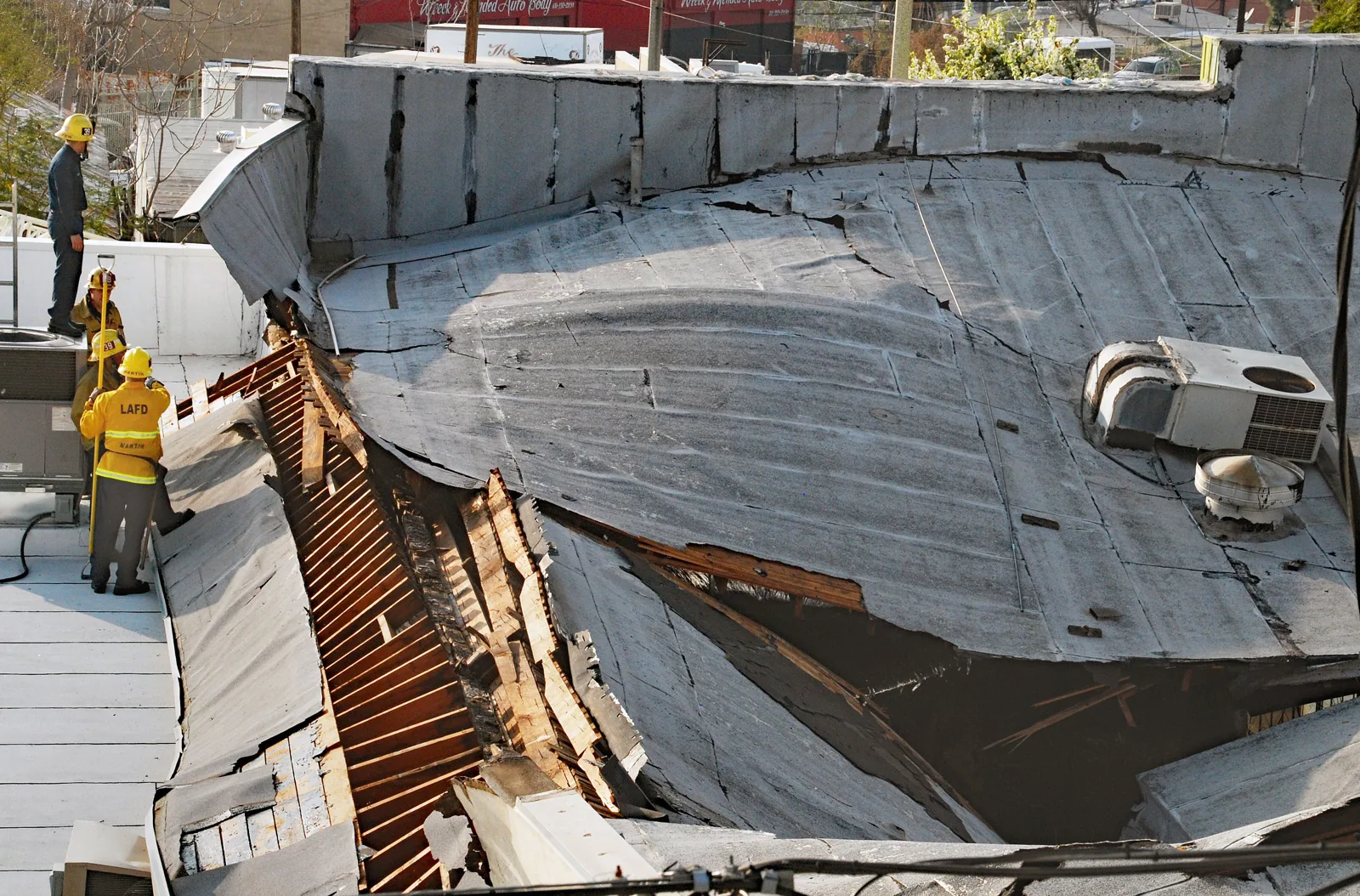
After a storm, the first roof decision is what must be protected now and what can wait for a safe inspection. Call us any time, including weekends and holidays, to report active water entry or visible damage. We confirm availability and the approved access path before arranging roof entry. Inside the building, move people and contents away from water when the facility procedure allows; do not climb to a wet edge to collect a better photo. On the roof, we map displaced metal, open seams, punctures, loose flashing, blocked drainage, and areas where debris may have struck the assembly. A commercial roof inspection records the tested area and access limits. The repair scope should distinguish an urgent temporary control from permanent work after the roof system and concealed layers are evaluated.
Safety Comes Before Roof Entry
Start with the interior report: where water appeared, when it began, what is below the area, and whether it is still active. Note any ceiling sag, energized equipment, blocked egress, or product exposure for the building's own safety process. Photos should be taken from safe locations and include enough context to identify a room or roof zone. On the roof, access depends on surface condition, wind, lightning, and the approved path. We inspect from the approved route and enter the roof only after the access path is clear. Once access is suitable, mark the affected roof section before moving debris or making a patch. The sequence matters because a temporary cover can hide a tear or change water flow. A temporary-protection response should state the area secured and the condition that remains unresolved.
Damage Types Need Separate Repair Maps
Storm reports can combine several different conditions. A puncture, a lifted perimeter, a failed seam, and an overloaded drain need different repairs. Walk the roof by section, compare visible damage with interior reports, and record the distance to seams, penetrations, edges, and equipment. Check whether debris created an impact mark or simply moved across the surface. Hesperia's local truck-route network includes the I-15 and U.S. 395 approaches. Use the property contact's instructions for the actual gate, staging area, and laydown location. The Main Street-West District pairs multifamily housing with neighborhood-commercial uses. At an occupied property, keep roof staging separate from resident and customer access, and map each building's observed damage to its own repair boundary.
Temporary Protection Buys a Safe Repair Window
A tarp, compatible patch, or secured cover can reduce exposure while the permanent repair is designed. Its limits should be clear. A temporary material may not bond to a dirty, wet, or incompatible surface, and a loose cover can move in wind. Do not bridge an open drain or trap water against a curb. Note who placed the protection, where it begins and ends, and what condition requires follow-up. If water continues after temporary work, reopen the path rather than adding more sealant over the first layer. Hesperia averages 1.23 inches of precipitation in December. We record the event date, debris, displaced materials, and leak timing before pricing permanent repair. Current roof conditions determine the protection and repair scope. If wet insulation is suspected, an infrared moisture survey or selective opening may help define the boundary. Each test should answer a question that changes the scope.
The Roof System Sets the Repair Method
Once the affected material is visible, use a repair compatible with the membrane or metal assembly. A welded patch, seam repair, flashing replacement, and fastener correction have different preparation steps. Wet insulation or a damaged deck can require removal beyond the visible opening. We explain the limit and price known work separately from concealed conditions. The owner should know whether the repair restores a local area or addresses a broader failure pattern. If similar damage repeats along several roof sections, compare the measured repair area with a replacement evaluation rather than treating every location as isolated. For a thermoplastic system, the TPO assembly has its own seam and flashing details. If an edge lifted, inspect the adjoining metal and attachment before sealing the membrane. The closeout records material, location, test performed, and any excluded area.
The Work Window Follows Site Operations
Three applications approved in 2025 covered four Hesperia warehouse buildings with a combined area of about 720,000 square feet. A storm record still needs the affected roof zone, loading access, and responsible building contact. Confirm where crews may stage, what entrances need to remain open, and whether deliveries or operations constrain the work period. The I-15 and Highway 395 corridors serve Hesperia, while each property's approved access plan controls material arrival. Ask the owner for the gate contact and any escort requirement before materials arrive. For an occupied building, coordinate work above entrances and active tenant areas with the facility. The Highway 395 and I-15 District connects regional routes, while each property's gate, staging area, and work window shape the repair visit.
Closeout Evidence Sets the Next Action
Give the owner a concise record of the weather report, roof sections accessed, conditions found, protection applied, permanent work completed, and areas that could not be checked. Attach overview and close-up photos to a marked roof plan. Identify whether another opening or moisture test is recommended and who must approve it. Keep invoices and warranties with the same property's repair history. A maintenance visit can recheck the repaired detail and nearby drainage after the immediate scope closes. The closeout labels temporary protection separately from permanent repair. If an estimate changes after material is opened, document the condition and receive approval before expanding the work. The closeout should let the next property manager locate the repair without relying on a memory or a photograph with no building label.
Claim Records Stay with Observed Conditions
Damage documentation should describe the roof as found, not assign a cause that has not been established. Mark the date, affected section, visible condition, measurements, temporary work, and any open questions. Separate pre-existing wear from the observed event when the evidence supports that distinction; otherwise state what still needs review. The property owner can share that record with an insurer, but policy coverage and claim decisions remain separate from the roof assessment. If an adjuster needs a site meeting, identify the roof map and the areas that can be safely entered. Avoid opening more material than the scope authorizes. If a test opening is needed, obtain approval, define its location, and document how the roof will be closed.
Commercial Roofing Questions
Can you take a storm damage call at night or on a holiday?
Emergency intake is available around the clock, including weekends and holidays. We first confirm the location, current availability, and whether roof access is safe. A permanent repair may require suitable conditions, inspection, and approval.
Should we cover a leak before the roof is inspected?
Follow the site safety procedure to protect people and contents. Do not place an unsecured cover or enter a hazardous roof area. A temporary measure should be selected and secured by qualified personnel after access and conditions are checked.
Will an insurance adjuster decide the repair scope?
The owner can use a documented roof condition and repair estimate to support a claim. We record observed damage, measurements, photos, and concealed conditions separately. The insurer applies policy terms; the owner decides whether to proceed with the proposed work.
What should a Hesperia owner send after a storm?
Provide the address, time and location of interior water entry, safe photos, access contact, known roof type, and any prior repair record. Tell us whether water remains active or operations below need protection. We will confirm the next safe step.