Commercial Roofing in Moreno Valley, CA
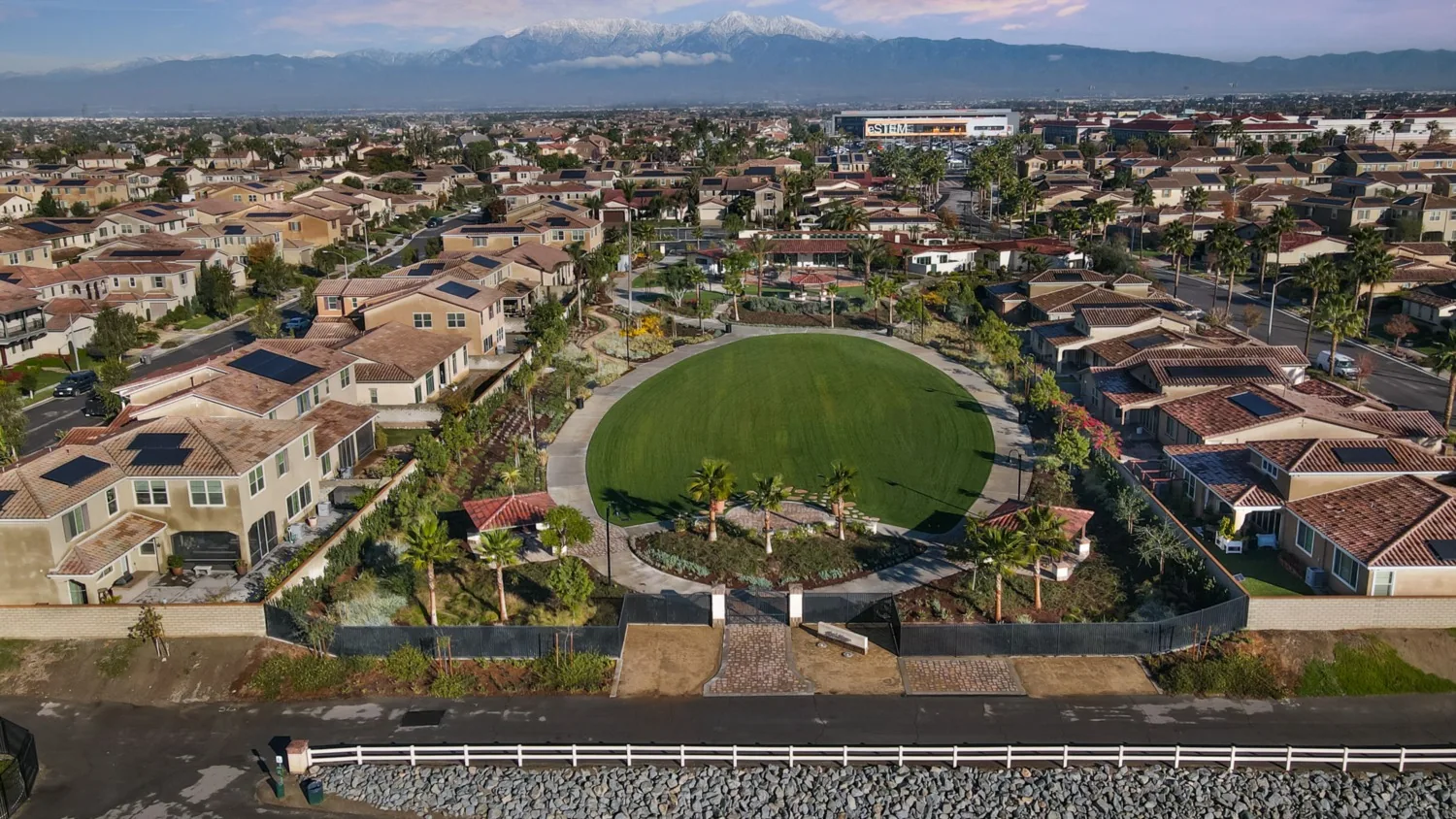
A long roof can hide several separate repair decisions. On a commercial property in Moreno Valley, CA, we start by locating the reported symptom on the roof plan, then compare it with seams, drains, edges, and past repairs. Moreno Valley had 208,634 residents in the 2020 count, and 2022 retail sales totaled about $3.850 billion. Retail properties can require roof sequencing around customer access and receiving hours. Those broad measures describe a substantial citywide economy; they do not identify the use or condition of any individual roof. Our field review stays with the building in front of us and gives its owner a bounded next decision.
Use citywide context carefully
Moreno Valley’s 2022 transportation and warehousing receipts were $569,623 thousand. That figure can prompt a practical conversation about receiving hours, service access, rooftop equipment visits, and the person who can clear a work area. The owner’s plans and roof inspection identify each property’s use and assembly. We confirm the building’s use with its contact and look at the actual roof, because one operation may have active docks while a neighboring property follows a different schedule. The citywide population and sales measures tell us why a property manager may be balancing several kinds of occupied space, while the roof inspection identifies what is actually there.
Mark what the inspection can see
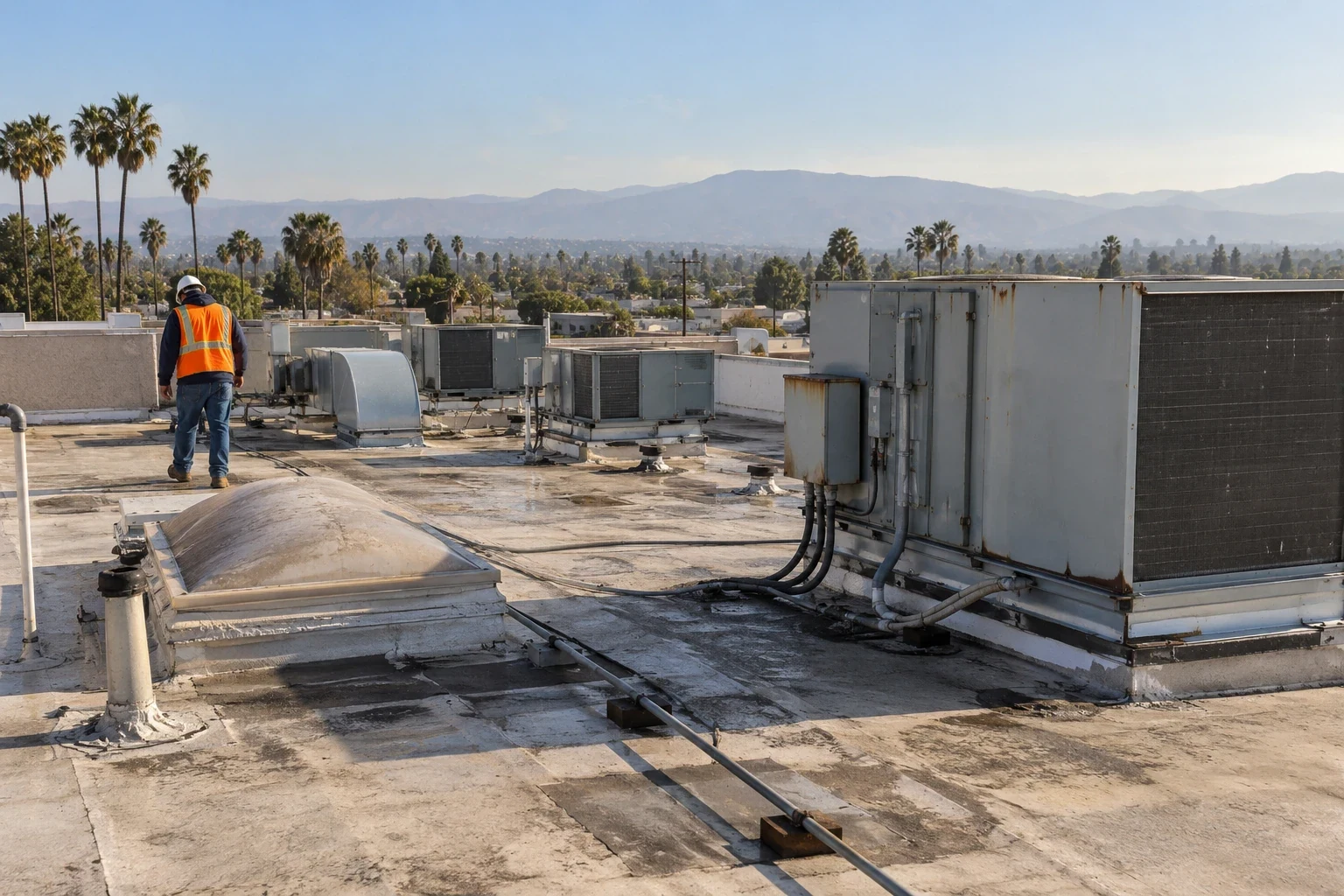
A ceiling stain is a starting location, not a roof map. Water can travel along a deck flute, insulation joint, or curb before it appears indoors, so we compare the interior report with the roof’s slope, drainage path, and nearby penetrations. We photograph the first suspected entry point, then follow any connected wet area only as far as the assembly allows. At a patched section, we check whether the repair edge remains bonded and whether the substrate feels sound. The report separates visible conditions from areas concealed below the membrane. That distinction matters before anyone prices a patch, removes insulation, or treats several marks as one roof failure.
Set entry and work routes first
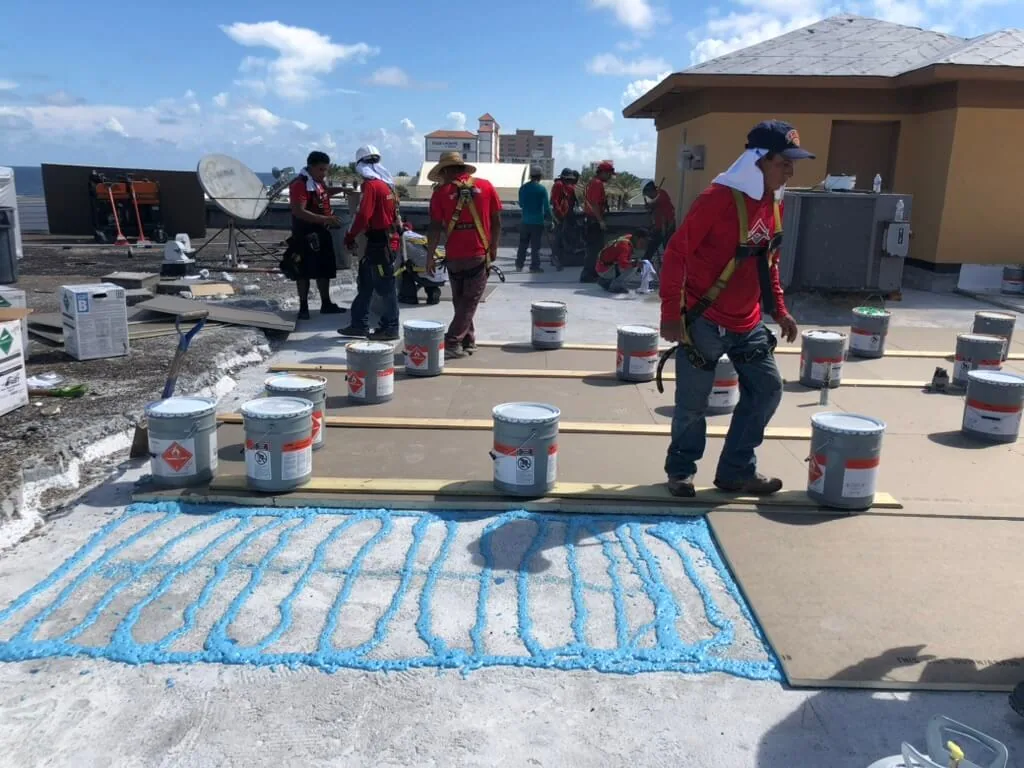
A repair may require a roof hatch, ladder, lift, or temporary protection inside. We confirm which route is available, where tools can be staged, and who needs notice before crews enter a tenant or service area. For an occupied commercial building, that conversation includes doors, pedestrian paths, deliveries, and the rooms below the planned opening. The owner can then compare the proposed work window with business hours instead of receiving a schedule that assumes unrestricted access. If the first route is not safe or usable, we identify the constraint before material arrives. A written access plan also helps later visits reach the same roof section without relying on a remembered instruction.
Where roof access crosses a shared parking or loading area, we confirm how long the route can be restricted and who will notify occupants. The crew needs a clear path for tools and removed material, while the property needs an unobstructed route for its normal use. We note those limits beside the roof zone so a second visit does not assume the same access is still available. If a lift position changes, the owner can review the revised setup before mobilization rather than discovering a conflict after equipment arrives.
Trace the opening through the assembly
A membrane split, loose termination, failed lap, and backed-up drain can produce similar interior symptoms but need different repair details. We check each candidate against the roof system and the direction water could move. At the perimeter, the review includes metal attachment, counterflashing, and transitions to wall cladding. At penetrations, we look for movement, cracked sealant, or a tie-in that no longer sheds water. If the field sheet is wet or unstable, applying a patch over it may leave the cause untouched. A controlled opening can answer whether insulation or cover board is involved; its footprint and close-in point are recorded before removal grows beyond the approved repair boundary.
Price the work that is confirmed
A useful estimate states the area included, preparation, compatible repair material, access method, and close-in sequence. Cost can change when testing reveals wet insulation, when a detail needs rebuilding rather than resealing, or when occupied space requires protection and phased entry. Timing also depends on substrate moisture, surface preparation, cure conditions, and the ability to keep the opening dry. We set out what is included and identify the finding that would trigger a revised scope. If water is still entering, commercial roof repair can be planned as immediate control followed by a permanent detail correction, with each step kept distinct in the property record.
Keep similar buildings comparable
For an owner or manager responsible for more than one property, repair notes become useful when they use the same roof-zone names, photo angles, moisture observations, and closeout fields. A report should identify what was tested, what remained inaccessible, and what needs another visit. Comparing those records can reveal whether a recurring leak follows one assembly detail or whether several roofs require separate capital decisions. A roof condition report can organize observations by section and preserve the repair boundary for later planning. If an adjacent site in Eastvale or Chino also needs review, its roof receives its own inspection and access plan rather than inheriting assumptions from Moreno Valley.
For a portfolio with different roof ages or materials, the records should preserve those differences instead of collapsing them into one building score. We identify whether each section is sheet membrane, coating, metal, or a layered assembly only when inspection supports it. Then a manager can group work by urgency while keeping each property’s findings traceable. If a roof cannot be inspected safely during the first visit, that limitation remains visible in the record and informs the next access request.
Leave with a clear next step
The first visit should resolve a specific question: can the reported opening be repaired at the surface, does moisture need testing, or is a broader section review justified? We give the owner the photographs and note the limits of what could be accessed. If the roof is stable, the next decision may be a focused repair or a maintenance check. If evidence points below the membrane, the scope should state what a test opening would answer and how it will be closed. For a known sheet assembly, our TPO roof review considers seams and flashing as part of the system, while preventive roof maintenance can track the next inspection item after repairs are complete.
Commercial Roofing Questions
What should be included in a Moreno Valley roof inspection?
We map the reported symptom to a roof section, check related drains and transitions, and record accessible conditions with photographs. The visit also notes areas that need testing or were not reachable. That gives the owner a specific repair boundary instead of a general statement about the whole roof.
Can a roof patch address a leak that appears in several rooms?
Several interior marks may share one water path, or they may come from separate openings. We compare their locations with roof slope, seams, and penetrations, then test the most likely area. If moisture has moved into insulation, the repair scope accounts for that layer before closing the assembly.
What changes the timing of a commercial roof repair?
Access, weather exposure, moisture, surface preparation, and the approved work boundary all affect sequencing. A repair that needs a dry substrate or a test opening may take a different work window than a surface tie-in. We identify those conditions before setting the close-in plan.
What information helps prepare a property-specific scope?
Send the building address, roof plan if available, reported condition, operating hours, and access contact. Prior repair records or photographs can help us find the roof section, but the field review confirms the material and repair limits before work is proposed.