Johns Manville Commercial Roofing in Hesperia, CA
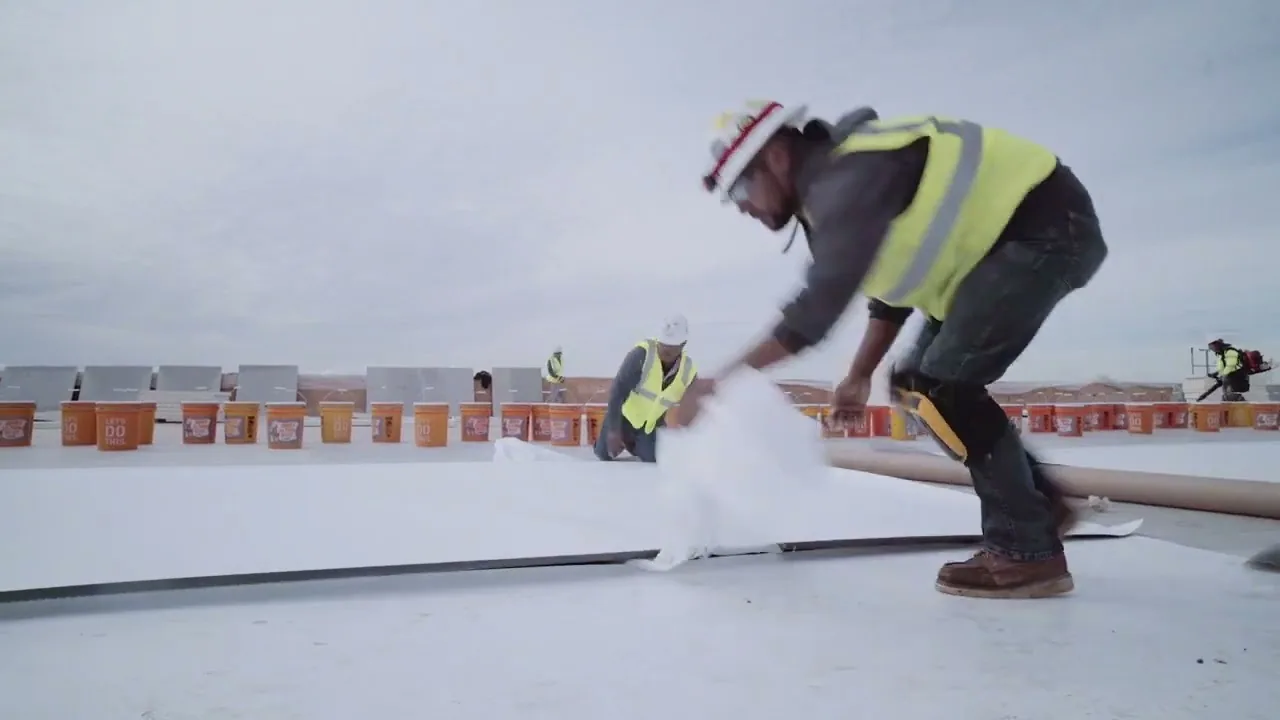
A roof file may list a Johns Manville membrane and still leave the assembly unclear. The system can include a field sheet, cover board, insulation, adhesive or fasteners, and separate flashing details. Johns Manville offers commercial roofing systems that include TPO, PVC, EPDM, SBS, APP, built-up roofing, and liquid-applied options. In Hesperia, CA, we confirm the section actually installed, then check whether it is dry and stable enough for the proposed work. That record helps an owner compare a localized repair against a broader project without treating a product family as a complete design.
Confirm the product family
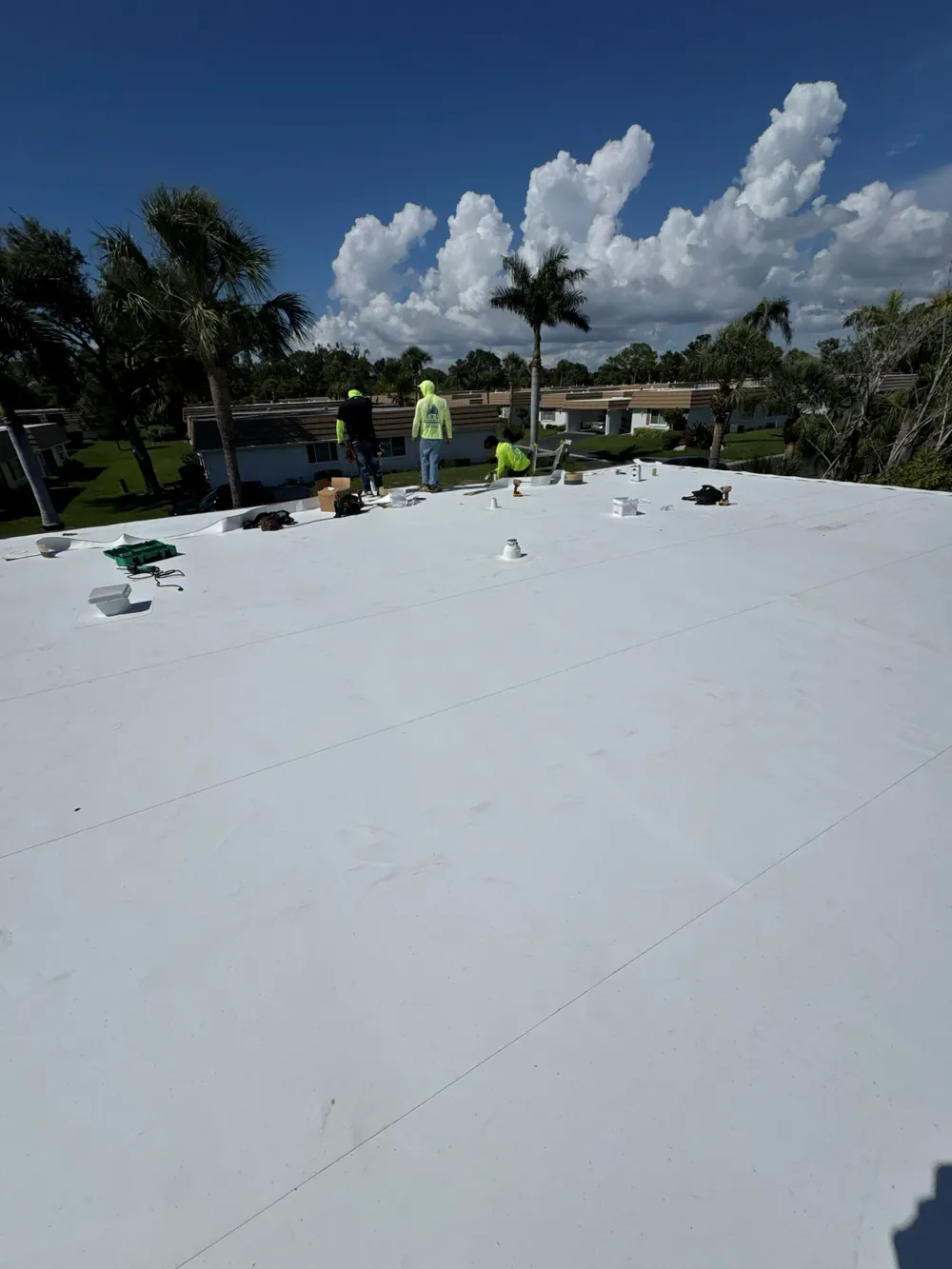
Johns Manville’s commercial roofing portfolio spans single-ply and multi-ply categories. The first inspection identifies the membrane or surfacing present, the attachment method, and how that section meets walls and rooftop equipment. We compare markings and records with field evidence. If the roof was built in phases, there may be more than one JM system or a later repair from another material. The report identifies each roof section independently and avoids assuming that one product name applies everywhere.
For a multi-ply assembly, the surface alone may conceal the condition of lower plies. We inspect exposed edges at drains and terminations, look for open laps, and identify whether water can move between layers. A test opening can reveal the actual stack and moisture extent. We include a measured opening boundary and a close-in plan so the owner can decide whether to investigate farther before authorizing broad removal.
We also inspect insulation, cover board, drains, edge details, and the deck where accessible. A surface that appears intact may be over wet material, while a visible patch may be a sound repair if its bond and boundary hold. We record those distinctions. If moisture cannot be determined from the surface, a controlled test opening can answer a defined question and provide a documented close-in point.
Read the whole assembly
TPO, PVC, and EPDM single-ply assemblies use different seam and flashing approaches. SBS and APP modified bitumen and built-up roofing have their own layers and repair materials. Liquid-applied systems depend on the substrate and reinforcement detail. The product family therefore changes how we prepare and close a repair. We check compatibility at the boundary, including prior coatings and patches, before applying a new material. A TPO field seam needs a weld and flashing check; the TPO system review keeps that detail tied to the assembly. Layered asphaltic assemblies need the distinct repair logic used for built-up roofing.
Product documentation is most useful when it corresponds to the roof section being reviewed. We compare spec sheets and repair records with field markings, then note any mismatch. If the material cannot be identified confidently, we describe the observed construction and recommend a compatible verification step. That keeps the inspection record useful even when original closeout files are incomplete.
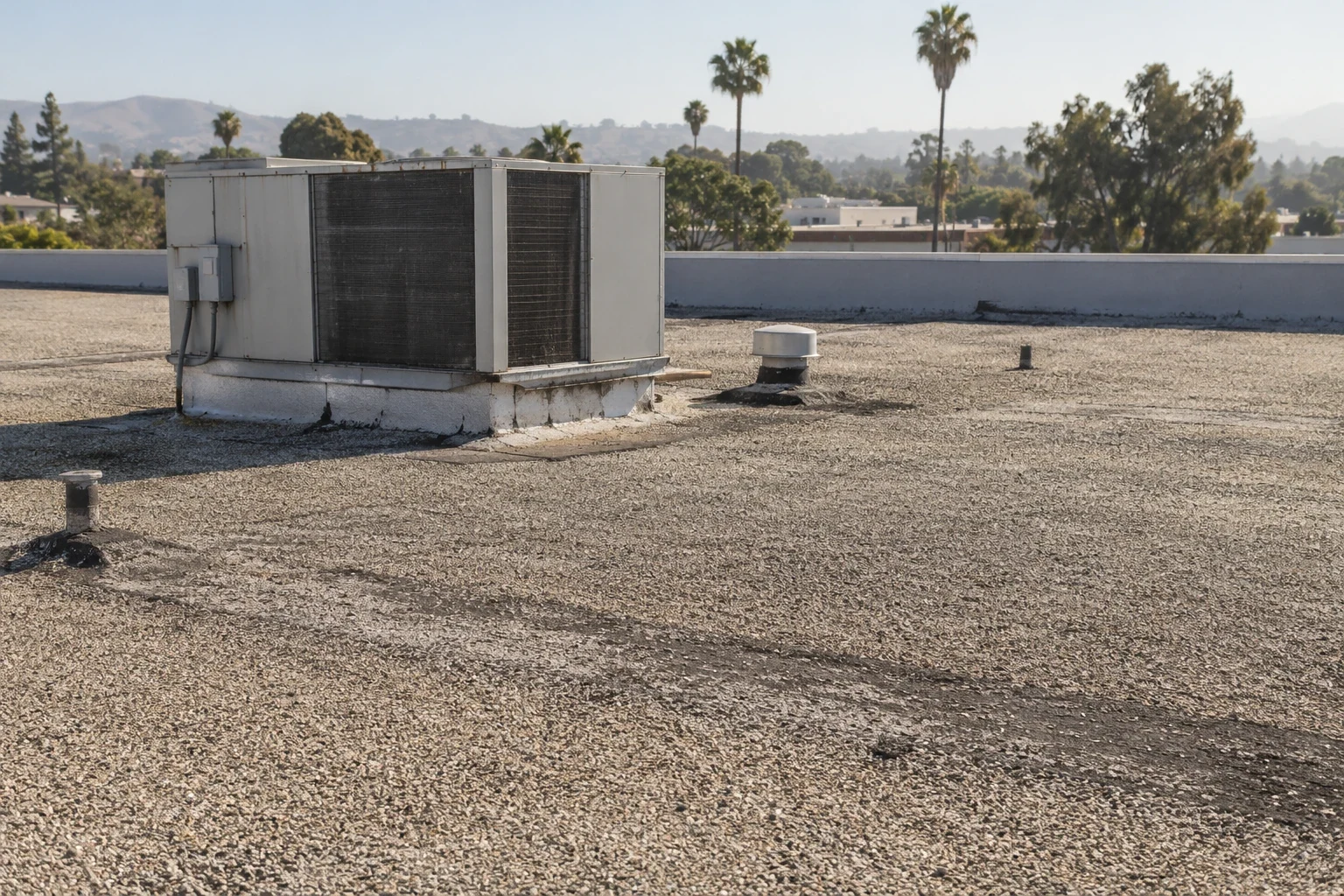
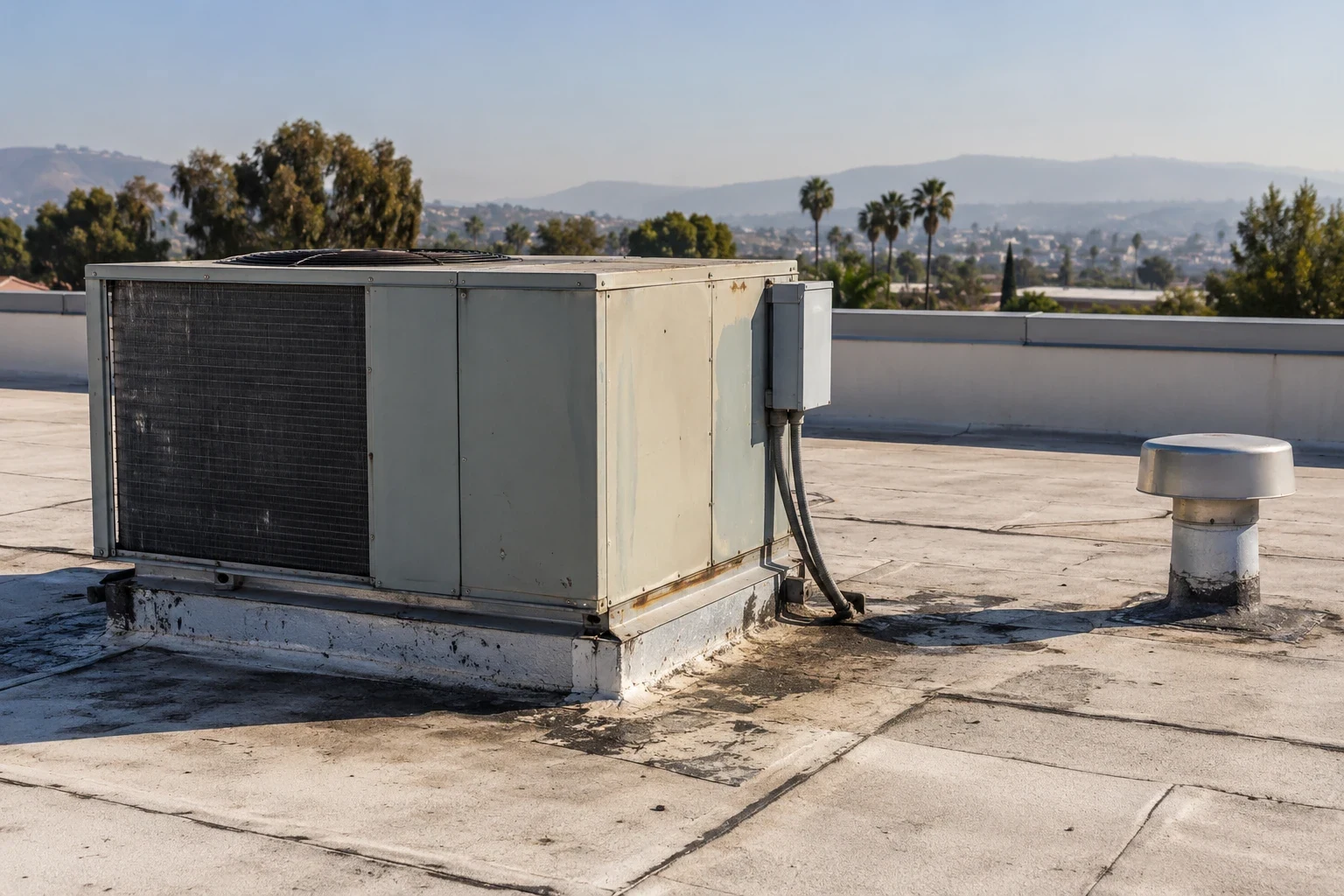
A complete assembly review also considers slope, drainage, roof loading, penetrations, and access. Equipment additions can leave transitions that do not appear in the original specification. We map those details and identify any repair that should be coordinated with mechanical or electrical work. The owner receives a scope that lists what is included, what requires a test, and which roof sections remain outside the current project.
Account for High Desert exposure
Hesperia 2 E's normal August daily high is 97.0°F. Exposed roof surfaces can be hotter than the air, so we check actual conditions before using adhesives, sealants, or liquid-applied materials. Product requirements control surface temperature, moisture, and cure conditions. We schedule preparation and close-in around those limits, then record any area protected for a later work window. A commercial roof inspection records the tested area and visible limits. In the Hesperia Industrial District, we plan roof access with the loading contact and interior schedule. Highway 395 access is confirmed with each property contact before a roof visit.
New warehouse proposals in Hesperia move through several approval stages, with industrial sites tied to designated truck access. On a warehouse roof, access and staged materials affect loading below and roof traffic around equipment. We coordinate the work zone, delivery path, and interior protection with the property contact. That keeps roof inspection and repair steps tied to the building schedule rather than a generic calendar estimate.
Set the repair method
The repair method follows the documented system: a seam correction, flashing rebuild, membrane patch, multi-ply repair, or test opening may each be appropriate under different conditions. We use product documentation where available and check that a proposed material matches the existing layer. Built-up roofing and modified bitumen roofing require a different scope from thermoplastic sheet. A roof condition report keeps the photographs and observations in one record.
If a roof is dry and the membrane remains bonded, a localized repair may preserve a serviceable area. If insulation is wet or the substrate has deteriorated, the boundary may need to expand. We identify the specific finding that changes scope. Repair decisions should also account for drainage and edge performance, since a new field patch cannot correct a blocked drain or detached perimeter detail.
Make the decision measurable
A measured comparison includes current leaks, moisture findings, open details, and the condition of adjacent sections. We document where tests were made and their limits, then identify what evidence would change a repair, recover, or replacement recommendation. This is especially useful when a roof has several product families or past repairs. The owner can plan the next phase using a section-by-section record instead of a single label for the whole building. Where a roof has separate additions, compare each record against the listed families from Holcim Elevate and Carlisle SynTec; field evidence determines the material at each connection.
We also record whether repaired areas meet the same membrane family or terminate at a different assembly. A transition can require a separate detail even when both materials appear compatible at first glance. The owner receives that connection in the roof plan and closeout photos, so future work starts from a clear boundary.
We also check how the roof meets wall cladding and equipment curbs, because those transitions may use a separate flashing product from the field membrane. The report identifies the detail and whether it remains attached, sealed, and compatible with adjacent materials. That information supports a repair boundary that accounts for the whole water path.
An assessment request can include the building location, roof drawings, system submittals, leak notes, and the person coordinating entry. Those records help us identify what should be examined first. The resulting scope will name the observed material where confirmed, describe compatible repair work, and avoid assumptions about manufacturer authorization, warranty coverage, or a particular installation history.
Commercial Roofing Questions
Does one Johns Manville specification cover the whole roof?
Not necessarily. A property can have multiple sections, additions, or repair layers. We compare the documents with field markings, seam details, and accessible assembly conditions, then list what is confirmed for each section.
Can a coated roof still be identified as TPO or EPDM?
Possibly, but the coating can obscure markings and affect repair compatibility. We inspect an appropriate test area and use records when available. If the underlying membrane remains uncertain, we state that limit before proposing a material.
What determines whether a section can be repaired?
The condition of the membrane, bond, insulation, substrate, and nearby details determines the repair boundary. We check moisture and whether compatible material can tie into sound roof layers. The documented findings support the next scope.
What should accompany a request for assessment?
Provide the address, available roof plan, reported condition, access contact, and any JM product or maintenance records. Include previous repair information and interior symptoms. We will identify what can be confirmed and whether testing is needed.