Commercial Roofing Service Area: Upland, CA
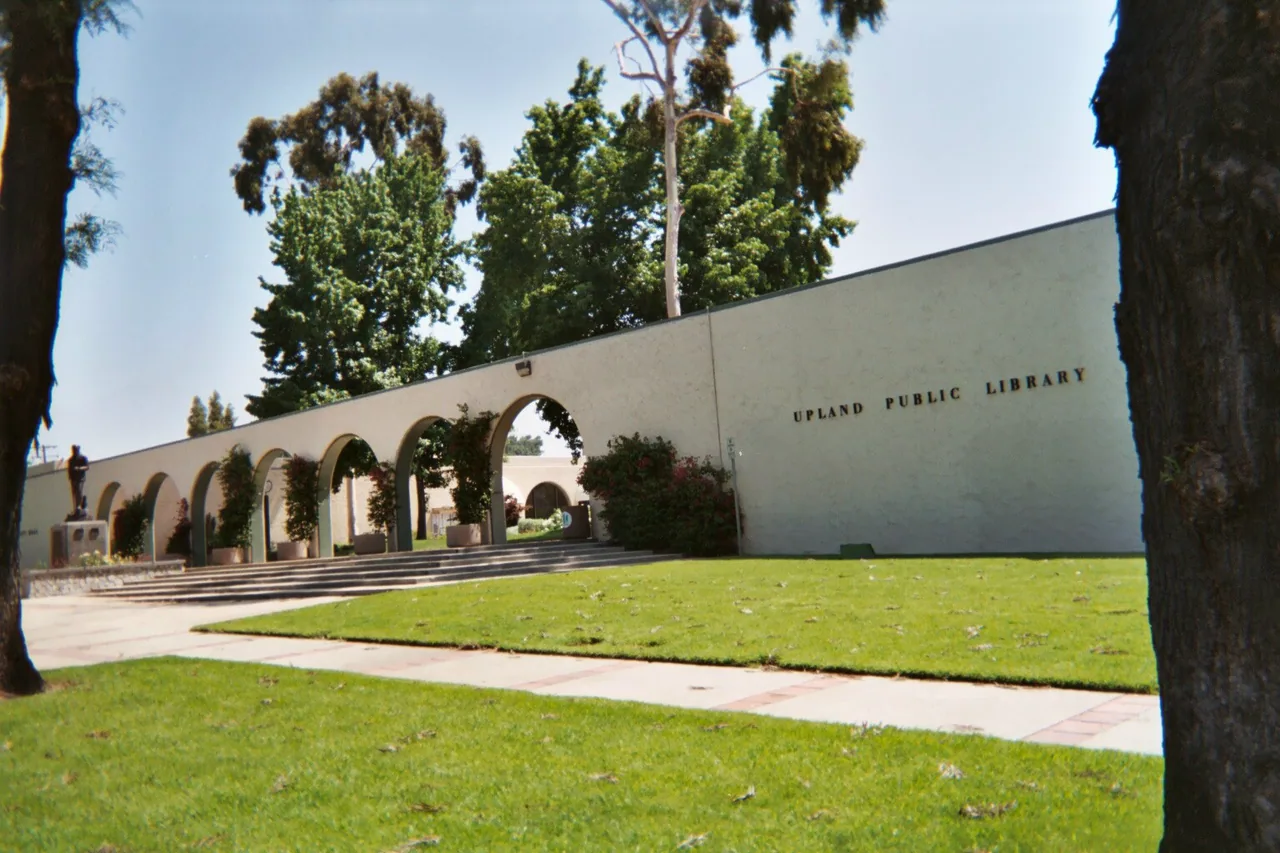
Commercial Roofers Hesperia helps Upland property owners organize inspection, repair, maintenance, or replacement questions around a defined roof area. The first review is a scope conversation, not a promise that a particular system or repair will fit. Share the reported condition, interior location, roof plan, records of earlier work, and access contact. On site, the useful questions are how water might reach the reported area, what components are visible, and whether moisture or deck condition needs testing. If the property is occupied, note sensitive rooms, equipment, and business hours before proposing a sequence. Findings should separate what was observed from what is inferred. That record gives the owner a sound basis to choose a repair, further investigation, or capital review rather than making a decision from a product label or leak stain alone.
Municipal context for owner planning
Upland’s citywide economic figures give context for a varied commercial property base, not a roof forecast. Upland had 79,040 residents in 2020. Upland's 2022 retail sales were $1,304,094 thousand, and transportation and warehousing receipts were $96,657 thousand. A building may serve retail, professional, medical, educational, or light-industrial uses, but those uses must be confirmed at the property. For a roof project, an owner should identify the people who approve work, the person controlling access, and the operations that cannot be interrupted. A property may have multiple roof elevations or additions installed at different times; maintain separate records for each section until the assembly is verified. This prevents a condition observed on one part of a building from being generalized to another roof area.
Trace water and roof conditions
A reliable leak report records more than “water in the building.” Note the affected room or work area, time and weather, whether the condition is active, and how the water has changed since a prior repair. If it is safe, protect contents and alert building maintenance, but do not send staff onto a wet roof. During inspection, examine the field, seam intersections, curbs, drains, scuppers, edge metal, wall transitions, and previous patch boundaries. Interior water may travel from a remote roof opening along the deck or framing, so a stain is only a starting clue. If concealed wet insulation is suspected, explain why a moisture scan or test opening would help. The report should identify any limitation in access or visibility and avoid concluding that an uninspected area is dry.
Define the repair or renewal boundary
The scope should show where a proposed repair begins and ends, what preparation is required, and how the new materials connect to sound existing work. A patch is not a durable answer if the surrounding membrane is brittle, the substrate is unstable, or drainage remains inadequate. Coating or recover options require a compatible, dry, and sufficiently sound surface; they also require treatment of penetrations and transitions. A replacement proposal should state removal assumptions, insulation and deck contingencies, perimeter metal, flashings, and equipment details. For Upland buildings with multiple uses, include the interior protection and schedule measures that affect occupants. If field conditions could materially change scope, list the test or opening that will answer the question before pricing the alternate. This keeps the owner’s comparison tied to defined work rather than an ambiguous repair category.
Coordinate access and work sequence
Coordinate access with the person who understands the building, not only the person who reported a leak. Confirm roof entry, escorts, alarms, loading restrictions, staging, work hours, and any required tenant notice. Ask whether rooftop units, vents, or medical or laboratory equipment create special shutdown or protection needs; do not assume a shutdown can be authorized by the roofing crew. A marked plan helps separate roof zones, especially where additions or changes in elevation affect access. Set a safe route for workers and materials and define where debris will be collected. During occupied work, explain temporary noise, dust, odor, and access impacts before mobilization. The site contact can confirm the actual restrictions so that an inspection or repair schedule reflects Upland property operations rather than a generic citywide assumption.
Keep the inspection record usable
Photographs, plans, and notes should support the next decision. Label images with date, direction or roof section, and the detail shown; pair them with a marked plan or sketch. Identify the existing system only when visible evidence or reliable records support it. Record the condition at drains, seams, curbs, edges, penetrations, and patch transitions, then separate observations from recommendations. Note whether an area was blocked or not reached and what additional access or testing would resolve that limitation. Keep the property’s maintenance log, warranty documents, previous proposals, and test results together. If the roof is divided into sections, tie each recommendation to one section and note any shared drainage or transition issue. A clear closeout helps a future reviewer see what changed and whether follow-up remains open.
Select a practical next step
A repair, maintenance visit, testing program, coating, recover, and replacement each answer a different roof condition. The owner should compare options only when the inspection explains what makes them technically available. Consider active exposure, recurring maintenance, concealed moisture, substrate condition, work disruption, and the cost of deferring a decision. A visual review cannot promise that a roof will remain free of future leaks, and a precise remaining-life estimate needs adequate inspection evidence. A decision memo can list immediate action, additional verification, longer-range capital item, and the date or condition for review. If a project is phased, specify what must be completed before the next phase and how temporary protection will be maintained. These details support practical planning for Upland property teams while preserving the owner’s control of scope, schedule, and funding. A complex property may combine roof sections from different construction periods. Ask whether addition plans, prior reroof scopes, or warranty records are available, and compare those documents with what is exposed at the roof edge or a test opening. If no record can confirm the assembly, label it as unknown rather than guessing from a membrane color. For a budget review, distinguish near-term patching from a section that needs further testing and from a separately planned capital project. This allows Upland owners to stage decisions while preserving the evidence behind each allowance. Any schedule or remaining-life discussion should state its assumptions and the date when new conditions would require an updated review. If that review changes the budget, preserve the original assumption and the new field evidence so future comparisons remain transparent.
Related roof planning in Upland
For an Upland roof, begin with the inspection findings, then match the repair or system choice to the assembly confirmed at the property. Verify roof-specific conditions before selecting a scope.
- Commercial Roof Inspection
- Commercial Roof Maintenance
- Medical Office Roofing
- Hospital Roofing
- Roof Capital Planning
- Montclair service area
- Hesperia Neighborhood District
Commercial Roofing Questions
How should multiple roof elevations be documented?
Give each section a consistent label and connect photographs, leak notes, and recommendations to that label.
Can invoices help identify an existing roof assembly?
Invoices may provide clues, but the materials in place should be verified where possible.
What makes a system comparison useful to an Upland owner?
Show the technical basis, included work, operational effect, and assumptions for each viable option.
What should occupants know before a repair begins?
Explain affected areas, expected timing, safety boundaries, and the property contact for questions.
Will a visual visit reveal all concealed moisture?
Not necessarily. A scan, test opening, or other investigation may be required to assess hidden conditions.