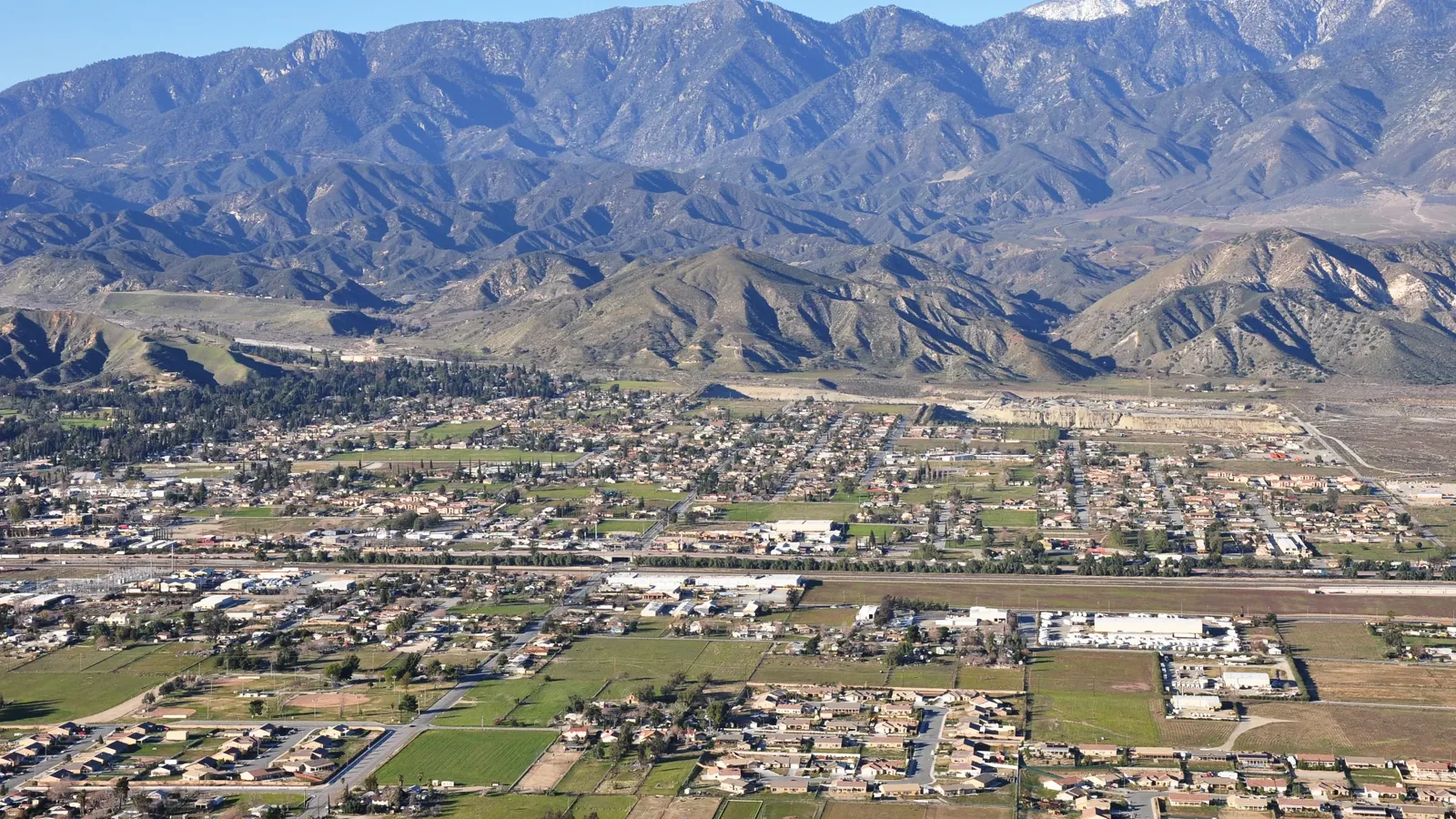
Commercial Roofing Service Area: Loma Linda, CA

Occupied rooms in Loma Linda need a roof work plan that accounts for access, interior protection, and the next approval. Start by identifying the building address, the area below the reported condition, and the person who controls roof access. We then inspect the roof section, not just the ceiling mark: seams, drains, curbs, penetrations, wall edges, and prior repairs all matter. If the assembly is not confirmed, we note what can be observed and what would require a test opening. The recommendation should say which repair can be made now, what remains uncertain, and what work window the property team can release. Where access or occupancy is controlled, the scope also needs a protection plan for the people and rooms below. That gives the owner a practical next decision without assuming the roof type from the city name.
The citywide numbers and the roof in front of you
Loma Linda’s 2022 retail sales were $407,583 thousand, and transportation and warehousing receipts were $18,011 thousand. Citywide numbers do not identify the use of a particular property. For a roof review, the owner should name the rooms, entry points, service areas, and hours that must remain available. If the building supports care or another public-facing function, confirm which spaces need interior protection and who can authorize a temporary restriction. Keep those operating details with the address and roof plan, rather than with a broad city label. The adjacent Colton service area and Grand Terrace are separate city requests; an inspection observation belongs only to the building and section where it was made.
Locate the path before opening the roof
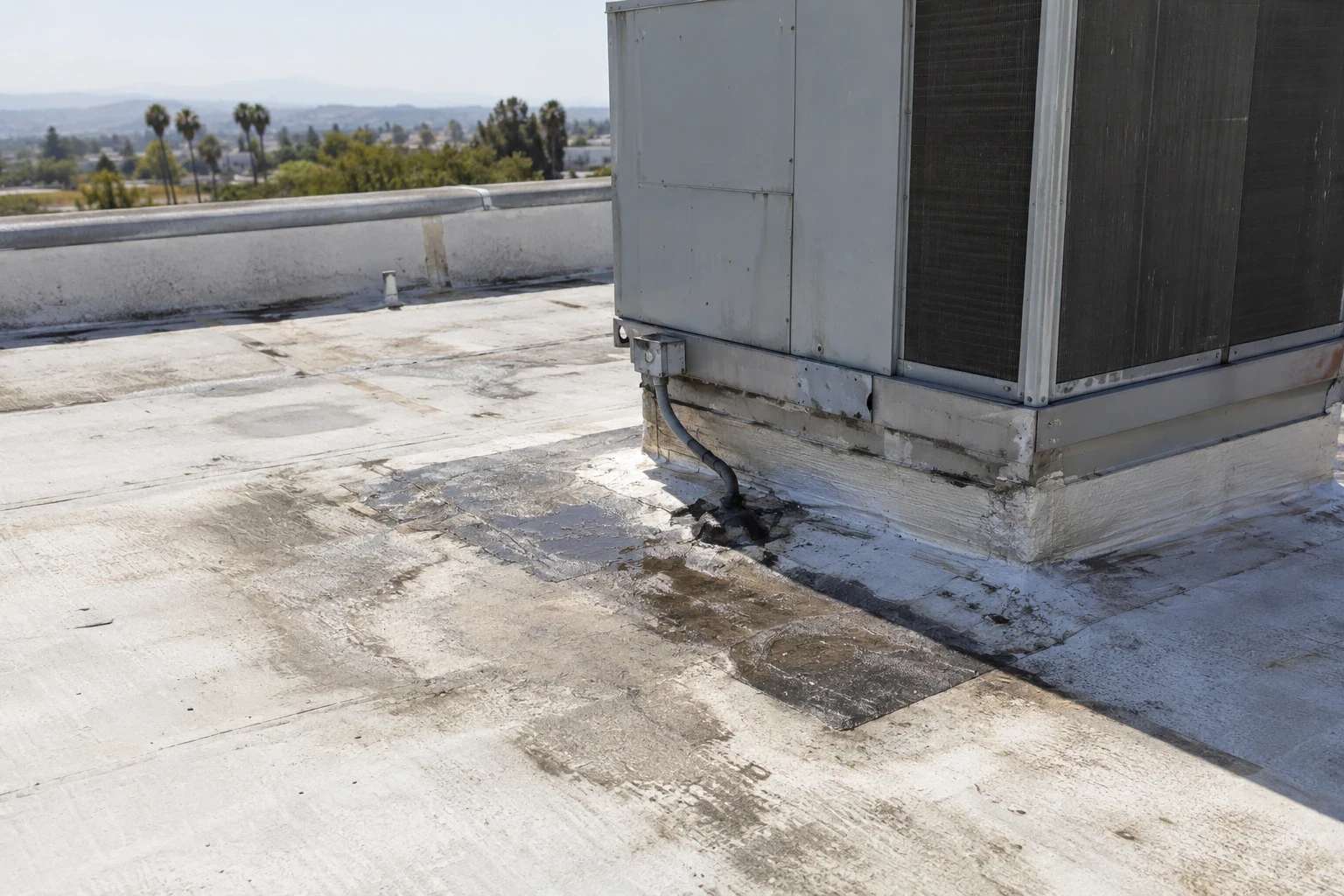
An interior water report is the start of the investigation, not the repair boundary. Note when it appeared, whether it followed rainfall or equipment work, and what changed after any prior patch. On the roof, check the nearest seam, drain, curb, pipe penetration, skylight, and wall transition. Water can move through insulation or along a deck before it reaches a room. If the layers below the membrane are uncertain, a test opening can show whether insulation is wet and how far removal should go. A leak repair assessment can compare the symptom with the roof map; membrane puncture repair is relevant only when the puncture is observed. Keep suspected paths separate from confirmed defects in the report.
Set the inspection question first
For an occupied property, the inspection plan should coordinate safe entry and interior protection before tools reach the roof. We identify accessible zones, document equipment and drains, and photograph details that control the repair tie-in. A drone can show overall context; it cannot confirm the concealed deck or insulation. Infrared scanning can help target a test when conditions and assembly support the method. The inspection report should say how the conclusion was reached and what remained outside the visit. A hands-on roof inspection can be paired with drain and scupper review when water routing is part of the complaint. The work plan for the Loma Linda address should also include the person who can release each roof area and the rooms that may require protection below.
Keep the active rooms in the sequence
Roof work over an occupied building needs a work window that fits the space below. Confirm which entrances stay open, where equipment may be staged, how visitors or staff are routed, and whether a room needs temporary cover or restricted access. A point of contact should be available if tear-off reveals a wet layer or deck issue. Our emergency response runs around the clock, including weekends and holidays; we still need the property address, condition, and safe access information to coordinate the first action. During planned work, mark daily open and closed sections and photograph the temporary weather-tight condition. A phased reroofing sequence can keep scope and protection visible to facilities, while healthcare roof coordination may be useful where multiple roles share access and approval.
Compare the repair boundary with renewal
Repair is strongest when the defect and surrounding assembly are clear enough to make a reliable tie-in. A recover must account for moisture, attachment, drainage, and added load. A coating needs compatible materials, preparation, and details that can be restored; it does not correct a wet substrate. Replacement planning sets the tear-off depth, insulation approach, deck contingencies, edge details, curbs, and drain work before approval. We show what is included, what remains assumed, and who approves a change. Where the inspected roof and specification suit it, EPDM roofing can be compared with other systems on attachment, detail conditions, and maintenance. A written replacement proposal should identify the section, daily close-in, and interior protections required for the Loma Linda property.
Carry the location record forward
The owner’s closeout should identify the room report, roof zone, test location, repair detail, and any area that was not opened. Attach photos to the marked plan so a later facilities contact can distinguish a completed seam repair from a different path or a deferred test. Keep approval emails, warranty documents, maintenance entries, and change records in the same property file. The condition report supports the next decision when it states what is confirmed and what is still pending. For a separate asset in Rialto, start a new record instead of carrying over a finding from Loma Linda. A future budget request is clearer when the owner can see the repair boundary, unresolved condition, and action needed to move forward.
The facilities contact should also identify who receives a same-day update if water reaches a new room. That record lets the property team act on the reported condition while keeping the original repair boundary and any new test request distinct.
Facilities should choose one person to release the roof section and one contact to coordinate the space below. Before opening the assembly, identify any room that needs temporary protection, any access route that must stay available, and the time when the area can be returned to service. If testing shows wet insulation, agree on how the opened area will be contained while the owner reviews the new evidence. Do not let the initial symptom stand in for a larger approval. Keep the inspection photographs, marked section, test result, and change authorization together, then note what was not reached. For care, office, or service uses, the property team may need advance notice before noise, odor, or interior covering begins. The actual contact and building rules decide that sequence. Clear planning helps an owner make a timely choice without promising that a concealed condition will match an earlier assumption. At the end of each phase, show the protected condition and the next point that needs access or approval.
Commercial Roofing Questions
How should roof access be coordinated at an occupied Loma Linda property?
Name the access contact, roof entry, areas below needing protection, hours that cannot be interrupted, and who can approve a temporary restriction.
Does a ceiling mark show exactly where water entered?
No. Water may travel through the roof assembly. We compare the room location with seams, drains, curbs, penetrations, and deck direction.
When is an infrared survey useful?
It can help focus a test if the assembly and conditions support the method. A test opening verifies concealed layers before the repair boundary is set.
Can coating work solve wet insulation?
A coating does not replace confirmation or removal of wet material. We inspect the substrate and determine whether testing or a different renewal path is needed.
What does an emergency roof request need?
Provide the property address, active condition, roof access details, and a contact who can coordinate protection below. Emergency response is available around the clock.