College and University Roofing in Hesperia, CA
A campus roof can cross lecture space, labs, administrative offices, housing, and mechanical rooms before it reaches one drain. In Hesperia, CA, August's normal daily maximum is 97 degrees, which makes surface conditions and installation timing part of a roof decision. We start by separating buildings and roof sections, then record systems, leaks, equipment, and access constraints. That gives the owner a basis to prioritize a local repair, a phased renewal, or a larger capital project. A commercial roof inspection ties the field observations to the decision the facilities team needs to make.
Campus Buildings Need Separate Roof Records
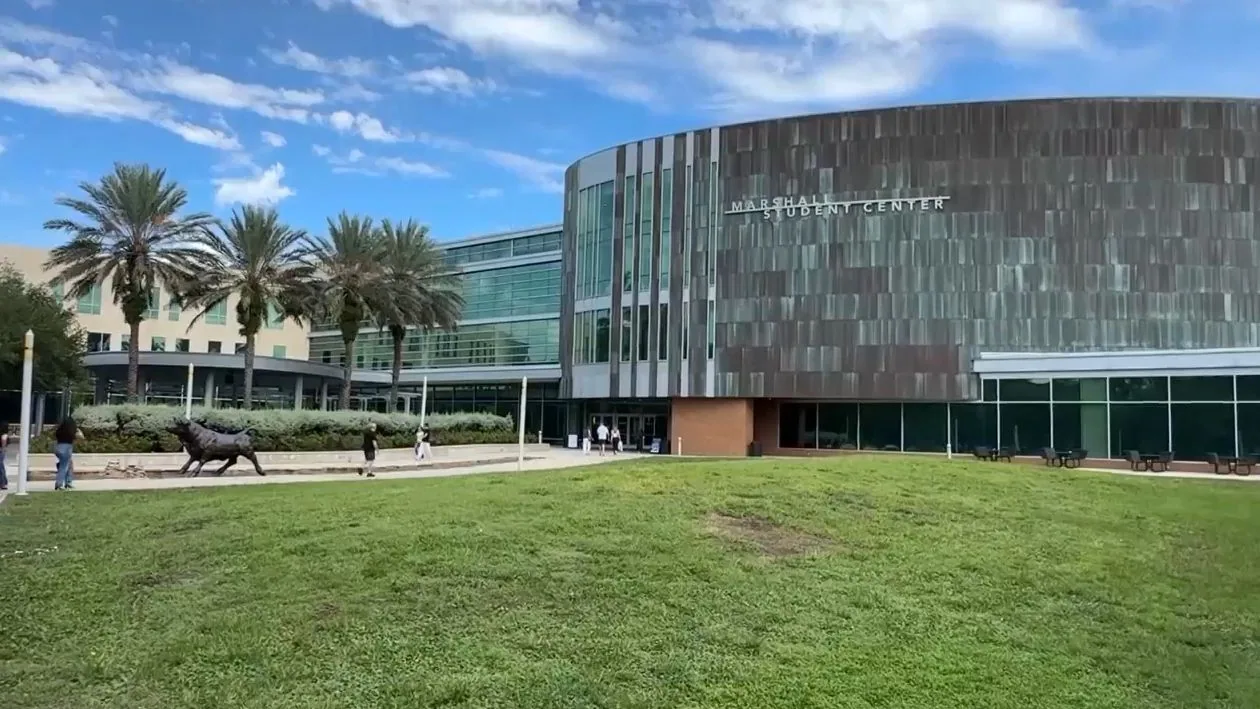
A university may have roofs of different ages and construction types across a connected campus. One building may use a single-ply membrane, while a nearby residence hall has a metal roof or an older multi-layer assembly. We label each roof by building and section, note system changes at additions, and avoid carrying one roof condition across the entire campus. Plans, prior repairs, and leak records help confirm where the assessment should begin.
Campus contacts can identify labs, computer rooms, collections, food service, and other spaces with different sensitivity to water, dust, or vibration. The roofing scope should link each protected space to a roof zone and define who can approve access or a temporary shutdown. That record is useful on buildings with different operators. A school roof section also ties interior use to roof sequencing; college buildings may need more building-by-building coordination.
Water Can Travel Through the Assembly
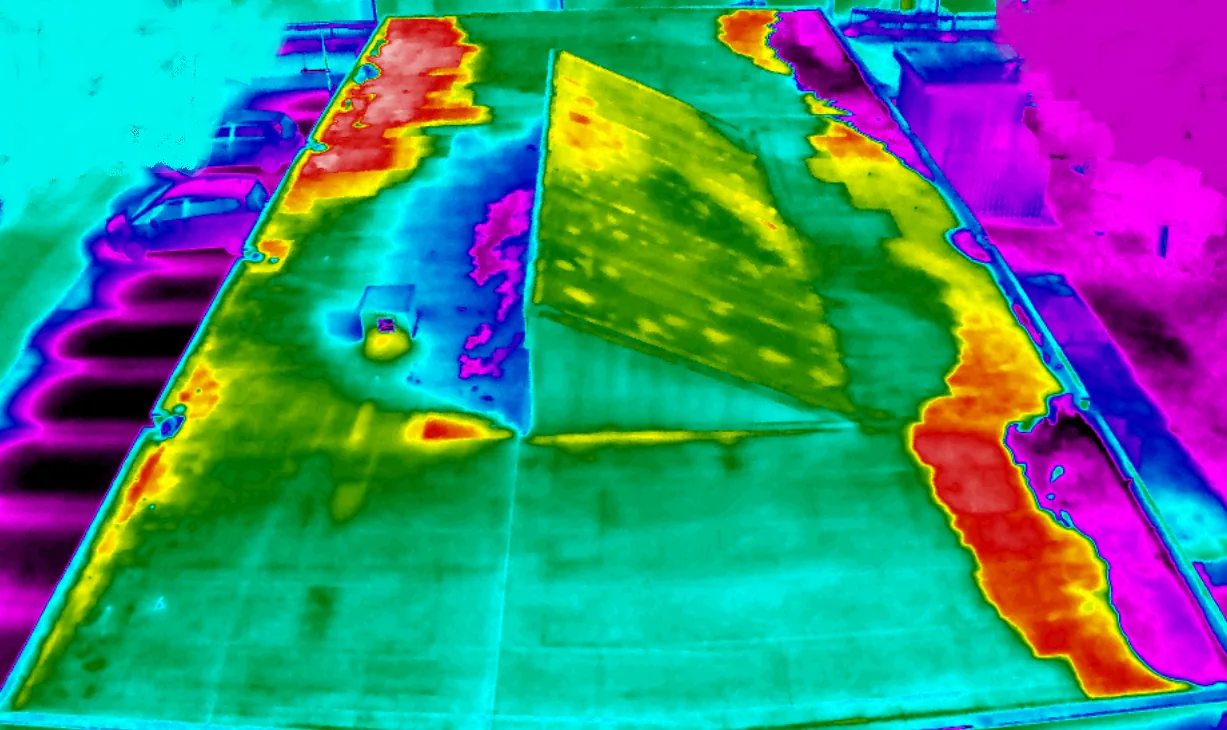
An interior stain narrows the search, but the roof plan, drainage path, and addition history help locate the opening. We trace above the affected room to drains, curb corners, parapets, and changes in deck direction, then compare the likely route with prior repairs. If more than one zone remains plausible, record each candidate rather than assigning the stain to the nearest detail. Before opening an assembly, the facilities contact identifies what operates below the test point and who can authorize access. Protect the room, size the opening to answer a specific question, and confirm the close-in material. A moisture survey can focus follow-up where conditions support it; its result should guide a test location, not replace an exposed assembly check. After closing the opening, add the layers observed and resulting repair boundary to the building record.
Campus Movement Shapes Roof Access
Roof access can share the day with class changes, event setup, deliveries, residence operations, and maintenance calls. We ask which paths need to stay open and where a lift or material staging can occur without crossing student or visitor traffic. The campus contact sets access rules, escort requirements, and any time windows for noise. We sequence work by building zone, with a close-in point at the end of each approved shift.
I-15 and U.S. 395 connect Hesperia to regional markets. For campus work, the delivery gate, unloading location, and internal travel route set the material plan; the campus contact confirms each detail. Where a lift crosses campus, mark its route, overhead clearances, and the time needed to clear pedestrians before delivery begins. The Hesperia City Center District includes civic and mixed-use activity with pedestrian-oriented retail. Where roof work approaches public paths, protect event parking and scheduled entries before staging materials.
Each Assembly Has Its Own Renewal Path
A repair can be appropriate when a limited failure sits within an otherwise serviceable roof section. Repeated seam openings, wet insulation, failed edges, and incompatible patch layers may point to restoration or replacement. A recover can reduce tear-off only when the existing assembly, moisture condition, attachment, and elevations support it. We document the reasons for each path and identify unknown conditions that could change the scope before installation.
System choice follows the deck, slope, drainage, perimeter conditions, and equipment details. The campus may prefer consistency in maintenance, but an identical membrane is not always appropriate across separate buildings. If a low-slope assembly is being compared, TPO roofing can be evaluated alongside the existing system requirements. Office and administrative wings can have different occupancy needs; roof access over active offices may require a separate work window even when the assemblies are similar.
Surface Heat Changes the Work Window
Sun, roof color, and wind can make membrane temperature differ from the air. We check surface conditions before handling materials or applying adhesives. If heat limits safe access, move the work window and keep a defined close-in point instead of compressing the repair sequence.
Main Street and freeway corridor districts in Hesperia include civic, commercial, and residential uses. For a campus project near those active areas, protect delivery access and public paths while the roof inspection records the actual system and moisture conditions. We mark areas exposed to regular foot traffic and identify where walk pads or service routes should be kept clear after the reroof. Roof access is part of the maintenance plan, not simply a construction convenience.
Risk Sets the Project Order
Budget planning starts with a roof inventory, condition, and consequence of delay. A leak above a high-sensitivity room may need immediate stabilization, even if a larger replacement waits for capital approval. We separate immediate repairs from planned renewal and show testing as its own decision. Cost and duration depend on roof area, tear-off depth, access, protection, insulation replacement, curb coordination, and the number of transitions that need rebuilding.
For several buildings, priority should reflect evidence rather than one campus-wide score. We note active water, open seams, soft substrate, drain problems, and sections with stable surfaces. The owner can then decide which buildings need action this cycle and which should be monitored. A roof capital-planning record can track the work sequence and budget question by asset, while preserving the observations that support each priority.
The Closeout Becomes the Next Baseline
At completion, we mark the roof sections worked, identify system materials, photograph tie-ins, and note any remaining access or maintenance restrictions. The campus team should be able to locate a repaired area without relying on a contractor's memory. If other trades will return to the roof, the plan should show the path they can use without crossing new seams or blocking drains.
Keep the closeout with roof plans, leak reports, and maintenance records. A future inspection can then compare current conditions with the documented work and distinguish a new issue from an older repair. Emergency roof repair is available around the clock, including holidays, if water enters before a planned project reaches that building. The initial review identifies the reported issue, the access needed, and any concealed condition that requires a separate test.
Commercial Roofing Questions
How can campus roof replacement proceed one building at a time?
Yes. We label separate roof assemblies and sequence them by condition, access, and campus priorities. Each phase needs its own tie-in and close-in plan.
What information helps assess a lab or data room below the roof?
Provide the room location, equipment sensitivity, access rules, known leak history, and any shutdown limits. We map that space to the roof section before selecting tests or protection.
Does the Hesperia August normal dictate the work schedule?
It gives climate context, not the roof surface reading. We check actual conditions and system requirements before setting material handling and application windows.
When should a roof recover be ruled out?
Wet insulation, poor attachment, unstable layers, or elevation problems can make recovery unsuitable. We document the assembly and compare that path with removal or repair.
How should a campus prioritize buildings?
Start with active leaks, safety or operational impact, moisture evidence, and the spread of failure. A mapped condition record keeps urgency distinct from long-term capital work.