Church Roofing in Hesperia, CA
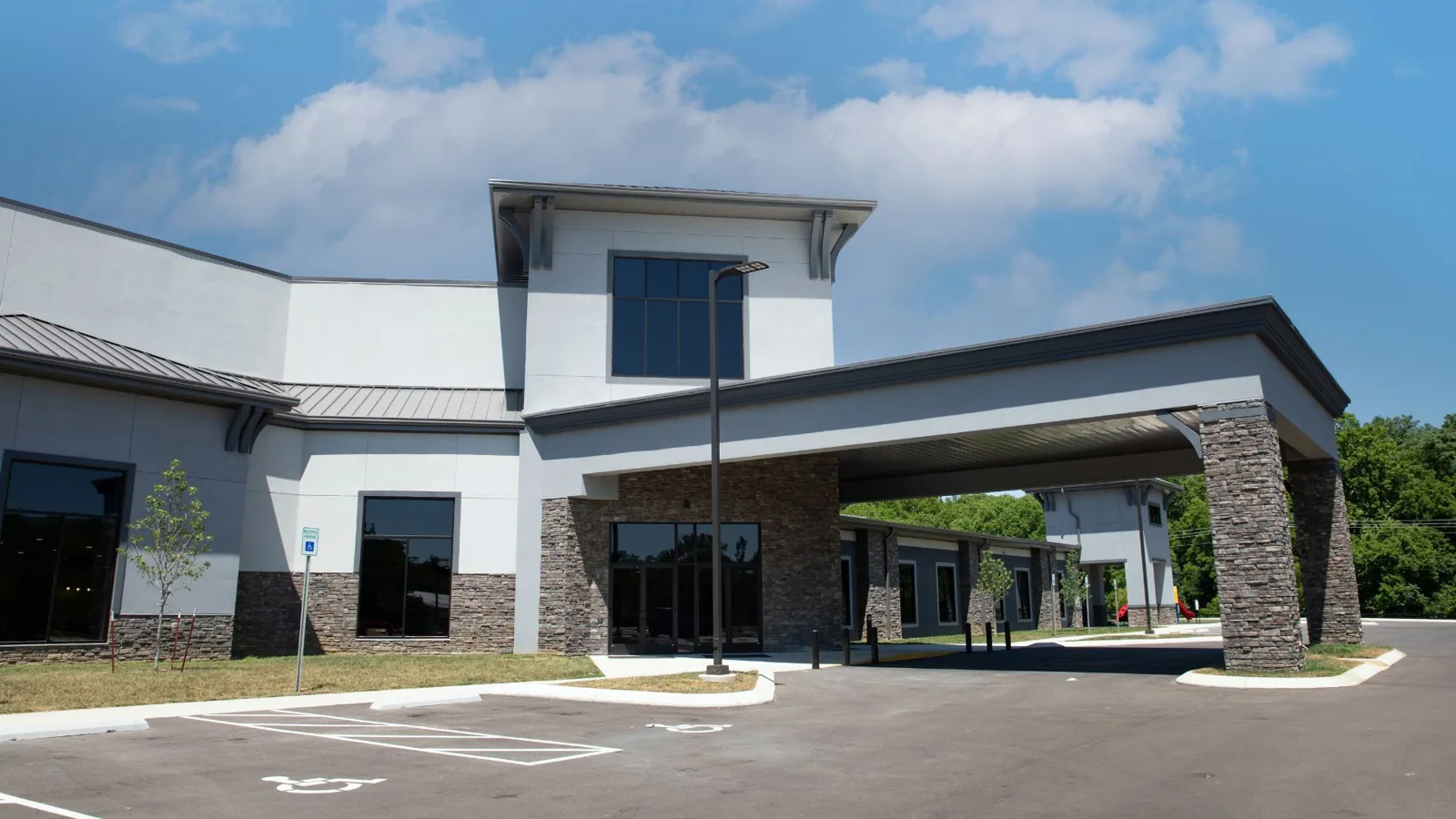
A sanctuary roof can include a broad low-slope section beside steeper slopes, parapets, skylights, and mechanical equipment. The leak path may cross from one roof area into another before it reaches a ceiling. Hesperia's normal August daily high is 97 degrees, and repeated heat cycles stress exposed seams and flashing. We begin by separating the affected roof section from the rest of the property, then check the entry points and interior spaces that matter to the congregation. For a church in Hesperia, a clear repair boundary helps protect both the building and its weekly use.
A Sanctuary Roof Spans Several Assemblies
A church can bring together a sanctuary, classrooms, offices, fellowship rooms, kitchen, storage, and covered walkways. Their roofs may differ in slope, age, and material. We start with plans or maintenance records when available, then walk the safe areas and note transitions where one assembly meets another. Roof-to-wall flashing, parapet caps, skylight curbs, plumbing vents, exhausts, and rooftop units each create a different water path. We label each observed condition and tested area by roof section so the congregation can distinguish separate assemblies.
Interior review matters because a ceiling stain in a worship space can be far from the roof opening. We ask which rooms are affected, whether the symptom changes after rain, and whether previous patches were made nearby. If water is active near electrical equipment, lighting, or ceiling systems, the owner can use that information to set immediate access controls while we inspect the roof. A hands-on inspection or drone survey can capture roof surfaces that are difficult to view from the approved access route. We connect the findings to a practical next decision, not just a list of defects.
Heat Stresses Exposed Roof Details
Exposed sealants, laps, metal edges, and penetrations cycle through Hesperia's hot season. We inspect those details where movement concentrates. Main Street and freeway corridor districts include civic, commercial, business-park, and industrial uses. For a congregation, the practical question is how roof staging interacts with public access, parking, and event schedules.
A congregation may need the sanctuary for services while other spaces host classes, food programs, meetings, or community support. The schedule can change through the week, and roof work can affect entrances, parking, and noisy rooms. We agree on the work zone with the church contact, separate roof access from public paths, and account for events. Near the Hesperia City Center District, pedestrian-oriented retail and civic activity can put roof staging near public routes. Where a church hosts classrooms or rentals, the work window should follow the activity calendar. A school classroom roof or a college roof section needs careful separation of rooms and access paths. We map public entrances and occupied rooms to the roof zones above them, then set protection around the actual schedule.
Interior Symptoms Lead to Roof Checks
The first visible symptom points to an area for inspection. Water can travel along a deck, insulation joint, framing member, or roof slope before appearing inside. We inspect the nearest drains, scuppers, penetrations, seams, and wall transitions, then consider whether a previous patch changed the drainage path. If a coating is present, we check for adhesion and continuity before recommending another layer. A repair should address the cause, reach sound material, and leave a record of what was opened and closed.
Where the evidence is incomplete, we set a small test area and explain what the opening will answer. If the insulation is dry and the membrane is sound outside a failed flashing, a focused repair may be enough. If moisture extends under the membrane, the repair area needs to reach dry material. We can provide photos, a marked repair boundary, and a note about remaining conditions. A roof condition report lets the church compare roof sections later, while commercial roof leak repair addresses the immediate entry path.
Public Schedules Shape Roof Access
For a repair, the sequence is straightforward but controlled: protect the work area, remove failed material, prepare a sound substrate, install compatible materials, and verify the finished detail. The crew should not leave an opening exposed when the work window ends. If the repair is near a public entrance, we coordinate the access route and temporary barriers before tools arrive. For a larger scope, we phase the roof so the sanctuary or classrooms can remain available when safe and practical. Each phase needs a defined start, end, and close-in condition.
A reroof can involve deck review, insulation decisions, drainage correction, edge metal, and transitions to older sections. Recovering over the existing roof is not a shortcut if trapped moisture or poor attachment remains. We inspect the existing assembly and document what can remain, what needs removal, and how the tie-in will be protected. If the church has services or scheduled events, we build those constraints into the sequence instead of relying on last-minute adjustments. Options may include a repair, a recover where the assembly qualifies, or a full replacement with a planned commercial roof replacement scope.
Maintenance Records Support the Next Decision
The church’s next decision may be urgent repair, a broader inspection, or a budget plan for future work. A sound recommendation identifies the observed condition, repair boundary, expected disruption, and any test that could change the scope. We compare the interior report with the roof findings, then distinguish a localized repair from a test opening or broader project. A coating enters the recommendation only when the membrane, attachment, drainage, and moisture condition support it. The owner should know what the proposed work fixes and what remains for a later phase.
Keep the roof record with photos, roof-section labels, drain observations, and repair details. That makes annual maintenance more useful and prevents old patches from being mistaken for new leaks. Hesperia's I-15 and U.S. 395 corridors connect the High Desert with Inland Empire freight routes. For a church roof, deliveries, worship traffic, and material staging need separate paths so public entrances remain clear. A preventive roof maintenance program can keep drains and exposed details on a recurring review schedule. For roof work near the civic core, City Center access conditions still need to be matched to the building's event and operating schedule.
Commercial Roofing Questions
Can roof work avoid service hours?
Often, the work can be phased around the church schedule, but the roof conditions, weather, material delivery, and crew access determine the practical windows. We ask which rooms and entrances have fixed use, then set noisy or access-intensive steps accordingly. The plan should also identify when the roof must be closed in and which areas remain off limits.
Why is a sanctuary leak hard to locate?
The ceiling mark may be distant from the roof entry point. Roof water can travel beneath the surface before it appears on an interior ceiling. We compare the interior location with seams, curbs, drains, roof-to-wall transitions, and earlier repairs. If those observations do not settle the path, a small test opening can distinguish a surface issue from wet material below.
Does a coating make sense for an older church roof?
Only if the existing membrane is a suitable substrate and the assembly is dry, attached, and ready for a coating. We inspect adhesion, seams, flashing, drainage, and previous layers before recommending restoration. A coating is not a replacement for correcting trapped moisture or open details. The estimate should state preparation and repair work separately from the coating area.
How should a church budget for several roof sections?
Start with a condition report that labels sections and separates urgent defects from planned work. The report can list repairs, testing, and replacement needs in a sensible order. We identify which observations support each item and what could change after an opening. That gives the board a more useful budget basis than a single whole-building number.
What should we send before an inspection?
Share the property address, roof plans if available, known leak locations, prior repair records, and the contact who can coordinate access. Note any upcoming services or events that affect parking or entry routes. We use those details to prepare the inspection scope, then document the actual roof condition on site.