GAF Commercial Roofing Systems in Hesperia, CA
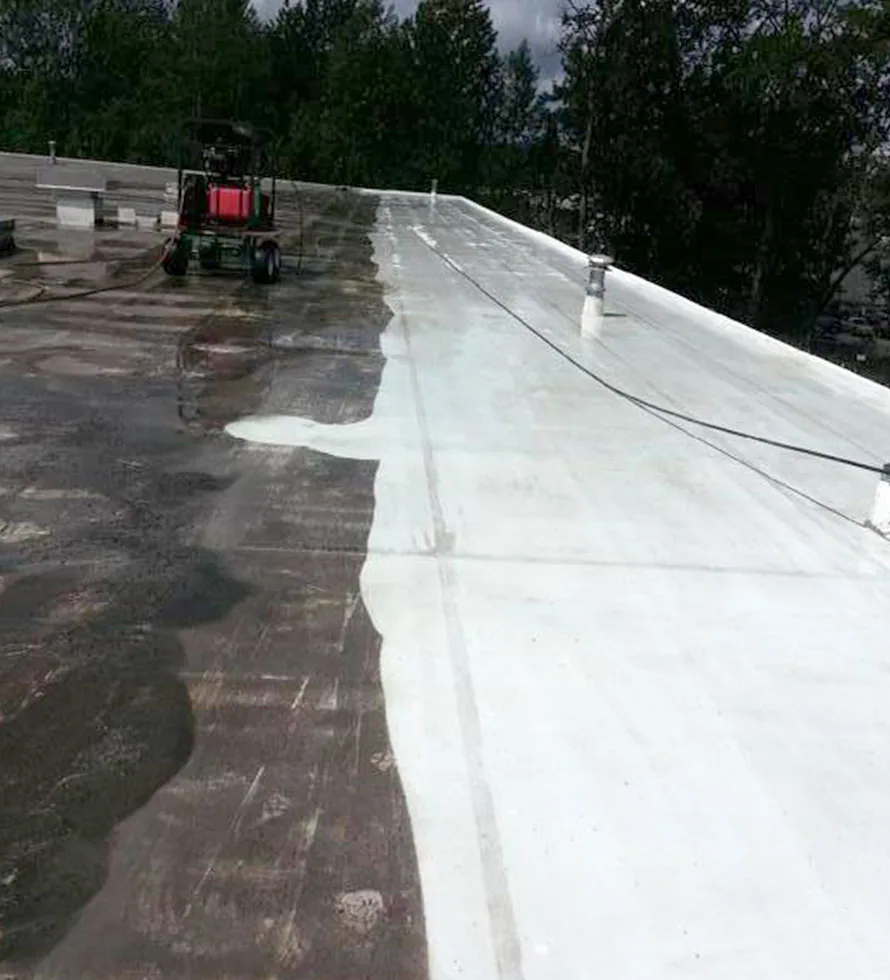
A roof label can point to a manufacturer, but it does not identify the complete assembly above an occupied building. Deck, insulation, cover board, attachment, flashing, and past repairs all affect the work. GAF’s commercial roofing specifications include TPO, PVC, asphaltic, and coating systems. For a Hesperia, CA property, we start by confirming which family is actually present, then compare its condition with the roof plan and maintenance record. That helps separate a product selection from a repair recommendation. The specification and the observed roof both matter, especially where an older section meets a newer addition.
Identify the GAF system
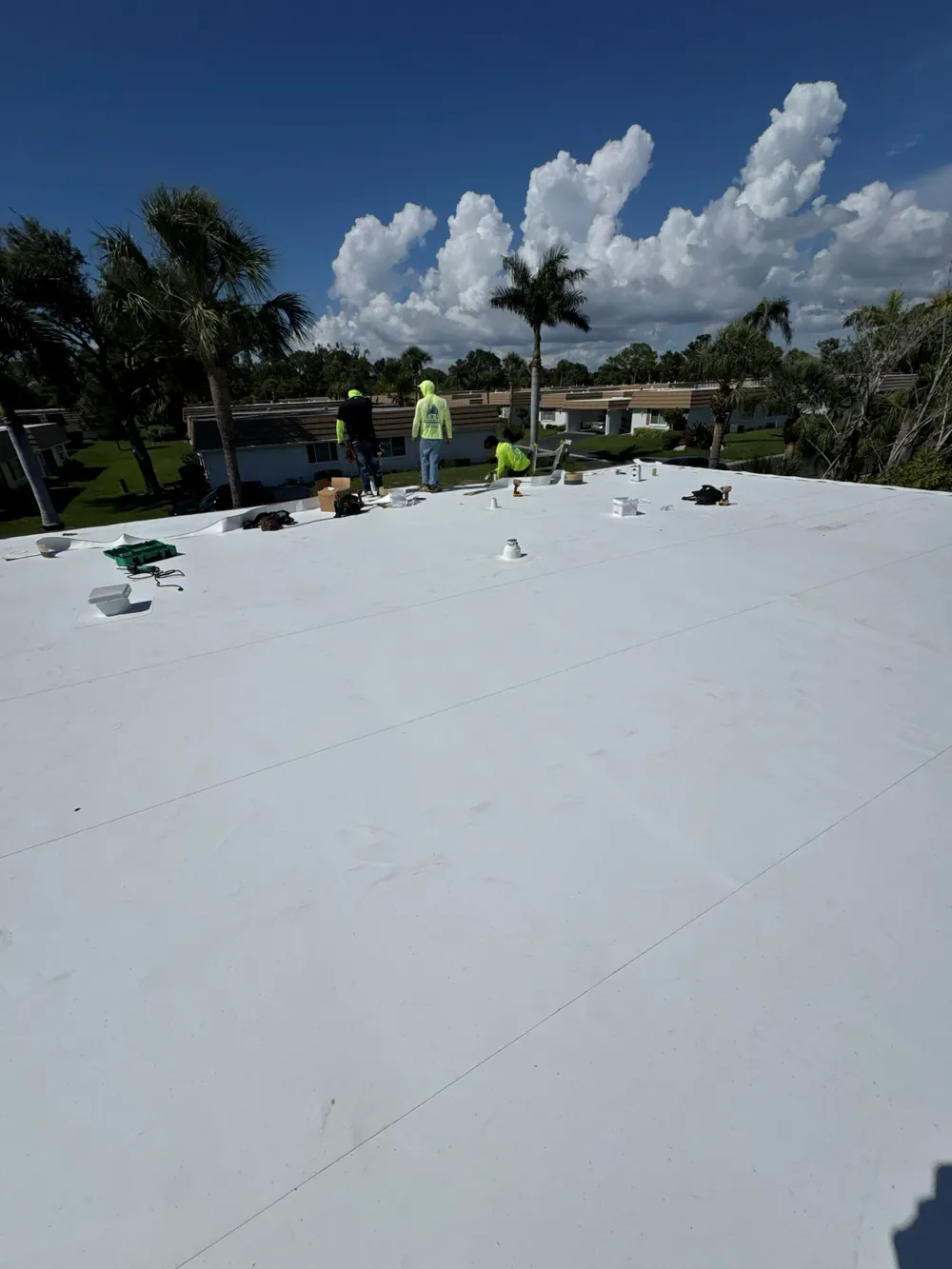
The first useful question is what the building has, not what a file calls it. We inspect membrane markings where visible, seam construction, flashing details, edge metal, penetrations, and the insulation stack. If a roof record names a GAF system, we compare it with field evidence and any reroof or repair documentation. Different layers can remain from earlier work, so one label cannot establish every component. We record the roof section, visible product clues, and any area where a test opening would resolve uncertainty before proposing a material or method.
The inspection also checks whether the roof section has been changed since the GAF documentation was prepared. A later curb, solar attachment, drain adjustment, or patch can interrupt the original detail. We identify those changes and include them in the repair map, since they may affect access, drainage, and the tie-in material. The owner can then distinguish the documented system design from the field condition that now needs attention.
GAF’s specification library covers multiple commercial system families, so the name alone is not a repair specification. TPO and PVC are heat-welded thermoplastic sheet systems; asphaltic assemblies and coatings have different preparation and repair needs. We describe the identified system as far as the evidence allows. Where details are concealed, the scope can note that a product record or small opening is needed instead of assuming compatibility across layers.
Match the assembly to the roof
System selection starts with the deck and the building constraints. We check whether the roof is mechanically attached, adhered, ballasted, or built as a multi-ply assembly, then examine insulation and cover board condition. Wind exposure, drainage, rooftop equipment, and access affect the detail design. A system that looks serviceable at the field membrane can still need edge, curb, or drain work. We keep the membrane decision separate from those surrounding details so an owner can see which conditions drive the repair or replacement scope. For a field sheet with welded laps, our TPO roofing review checks how the seam and flashing meet. At a PVC section, we match the repair tie-in to the sheet and seam identified during the system review.
Before we recommend coating or recover, we review whether the surface is clean, dry, and stable and whether moisture testing supports leaving the existing layers in place. Any areas with open seams, wet insulation, or loose perimeter details need their own scope. We note what was tested and what remains concealed. This makes an option comparison more useful than simply listing product families from a specification library.
For a thermoplastic surface, seam welding and flashing tie-ins require clean, compatible material and control of heat, speed, and pressure. A coating over a sheet does not become a new roof system just because the surface looks uniform. We identify whether the existing assembly can be repaired, restored, or needs selective removal. If a test area changes the diagnosis, we show the new boundary and explain which component caused the change.
Heat makes inspection specific
Before naming a GAF product in a repair or replacement discussion, verify which assembly is actually installed and what layers are exposed at the proposed tie-in. A climate normal does not substitute for a roof-surface reading or a review of application limits. Hesperia's industrial areas can involve active loading, so establish the gate, lift position, roof route, and close-in sequence with the property contact. A commercial roof inspection can document the tested area and concealed conditions. Work in the Hesperia Industrial District remains property-specific. Any product selection must follow the applicable system detail and current manufacturer instructions; product references do not establish certification, endorsement, or an existing installation.
For Hesperia sites near Highway 395, confirm gate and delivery requirements with the property contact before selecting a work window.
Repair the layer that failed
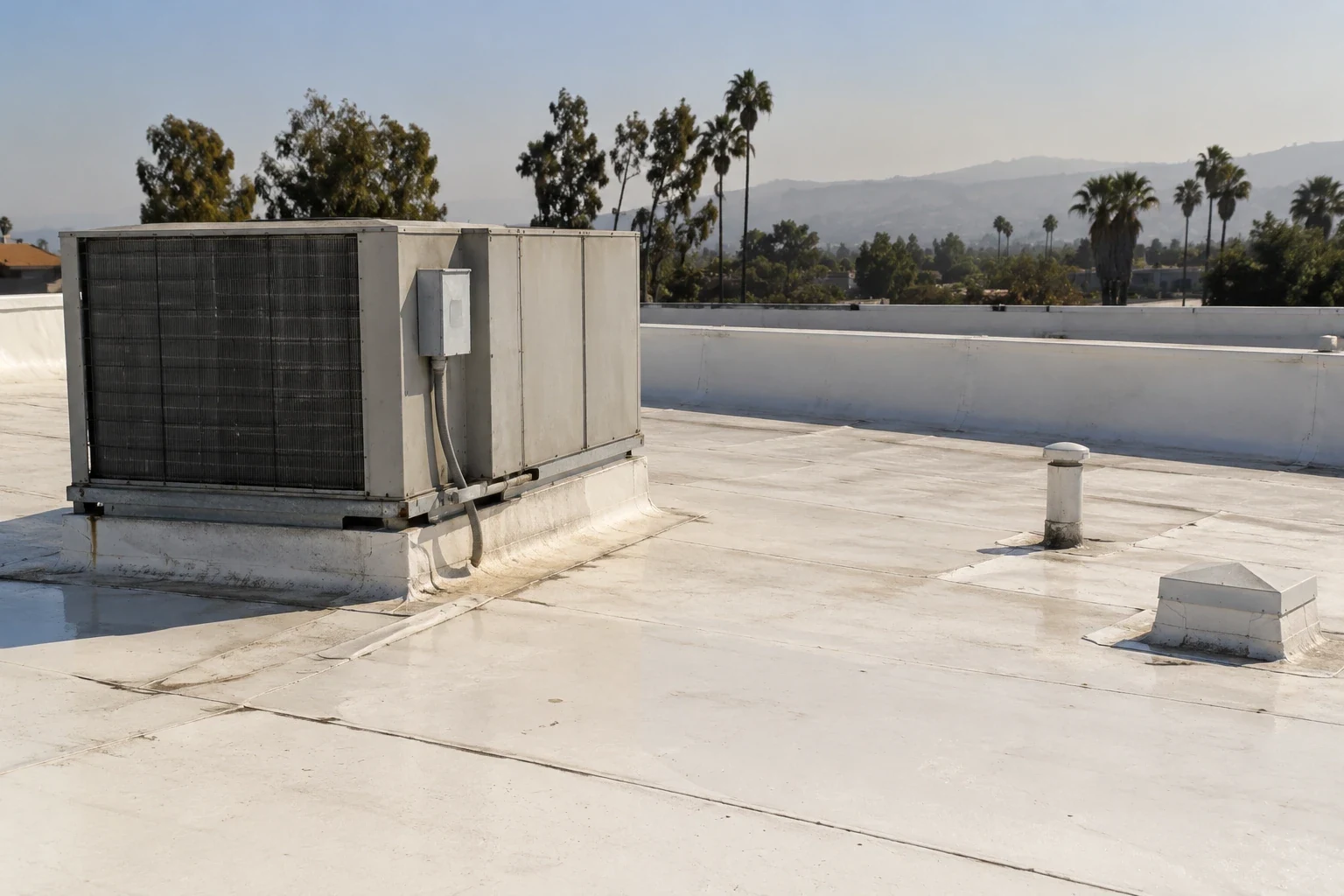
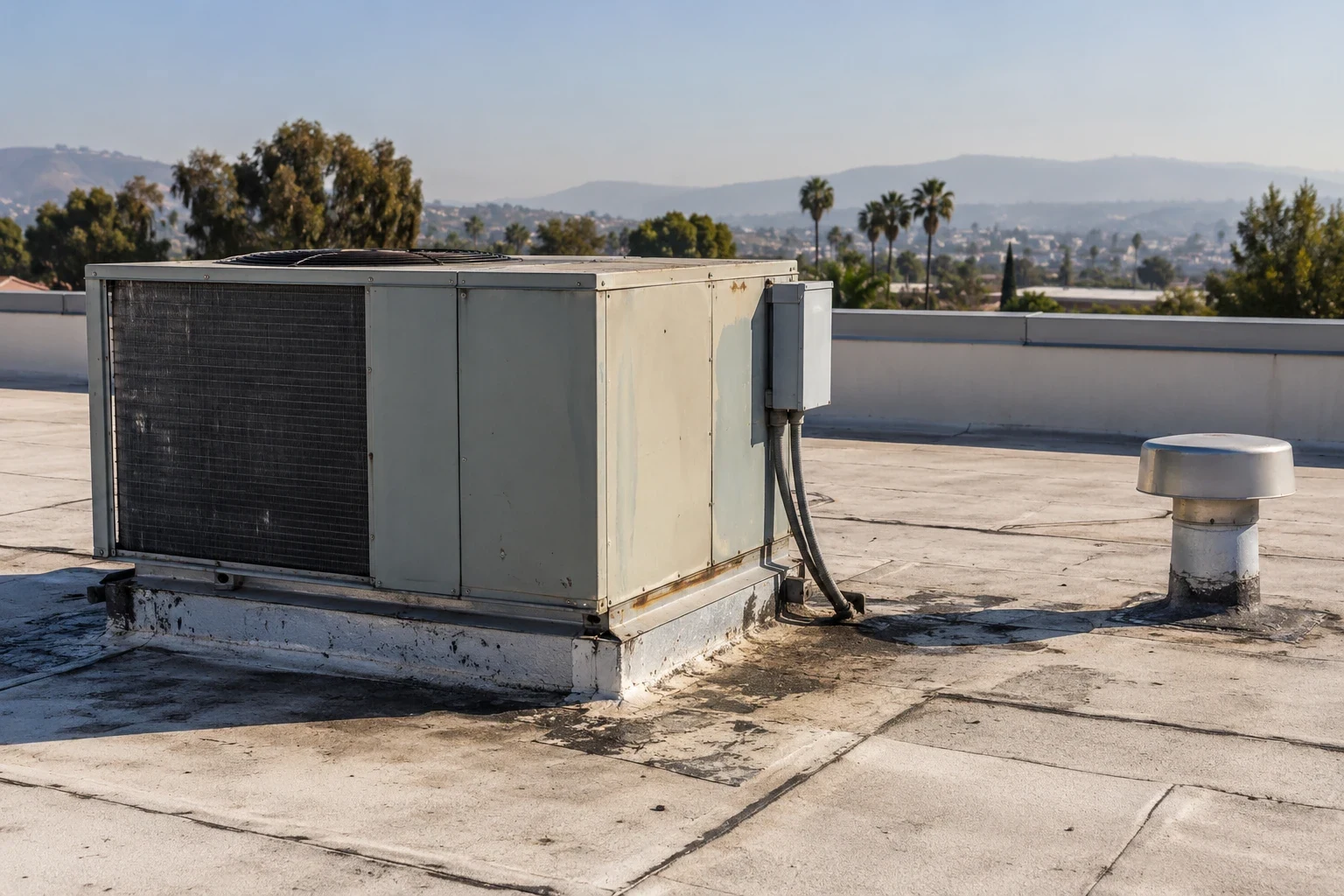
A repair scope names the failed component and what remains sound. For a GAF product family, we inspect seam edges, patches, base flashing, curbs, drains, and terminations, then verify whether a compatible repair material can bond or weld to the existing surface. We use the TPO system review or PVC system review when the membrane type requires a different preparation path. A commercial roof inspection can document photos, tested areas, and repair limits.
If the surface is wet, brittle, contaminated, or covered by unknown layers, we identify the preparation or test needed before applying a repair. A test opening can identify moisture and the condition of the substrate, but it has a defined footprint. We mark where it occurred and include the close-in procedure. For a coating system, surface preparation and adhesion testing come before the coating recommendation; for a sheet system, seam and flashing compatibility drive the detail.
Set a usable scope
A useful decision compares immediate leak control, localized repair, restoration, and replacement against the documented roof condition. We note which areas were accessed, whether drains functioned, where moisture was tested, and what further opening could change the scope. Where city plans show new industrial and business-park activity, a property owner may also need to coordinate roofing with tenant turnover, equipment upgrades, or loading needs. The scope should leave those responsibilities clear without promising a product result that the roof evidence cannot support. When a property has more than one roof assembly, the Carlisle SynTec and Versico product lists can help identify records to locate; field markings and attachment still determine the section being repaired.
For a system review, provide the property location and any roof plan or product record you have. A dated photograph and repair notes can help us identify the section before access is arranged; the inspection then confirms whether a seam test or concealed-layer opening is warranted. The repair record names a GAF family when field markings or project records support the identification, then lists the work and test results for that roof section.
Commercial Roofing Questions
Does a GAF label tell you which system is on the roof?
It is a starting point. We compare the label and available records with membrane markings, seam details, attachment, insulation, and repair layers. The roof may include more than one assembly if sections were added or replaced at different times.
Can an existing GAF roof be repaired instead of replaced?
That depends on the sound area, moisture below the membrane, and whether compatible repair material can tie into the existing assembly. We map those conditions first and identify any test opening needed before setting the repair boundary.
Do you install every GAF system listed in the specifications?
We evaluate the roof condition, building requirements, and system documentation before proposing work. A published system category does not establish that it is suitable for a particular deck or roof section. The scope states the method supported by the project conditions.
What should I provide for a system review?
Send the address, available roof plan, reported issue, access contact, and any system or maintenance records. Include photographs of the affected area when safely available. We will identify what can be confirmed and whether a roof visit or test opening is needed.